

Global Spectacle, Local Longing: Chinese Fans Embrace World Cup From Afar
POLICY WIRE — In the vibrant Dumbo neighborhood of Brooklyn, a unique fusion of global passion and national yearning unfolded within the fifth-floor confines of...

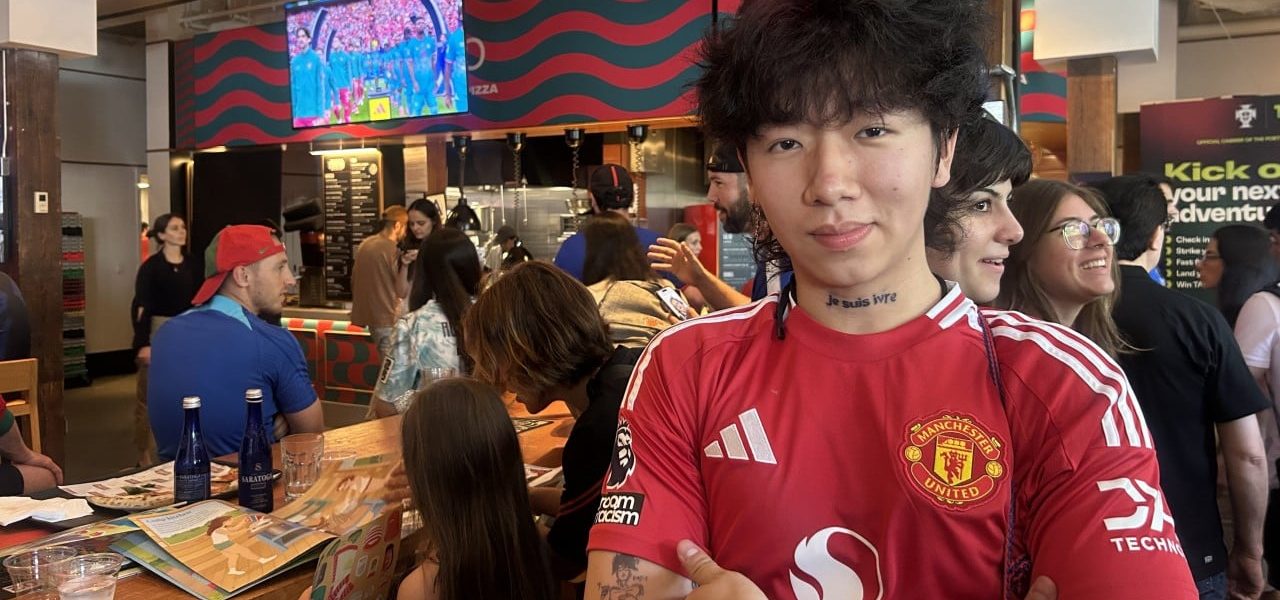
POLICY WIRE — In the vibrant Dumbo neighborhood of Brooklyn, a unique fusion of global passion and national yearning unfolded within the fifth-floor confines of Time Out Market. This was no ordinary Sunday afternoon gathering; it was Portugal House, a dynamic space blending the communal buzz of a food court with the fervent atmosphere of a sports bar, all dedicated to the World Cup celebration. Jerseys in Portugal’s national colors were ubiquitous, as fans, with cold drinks in hand, joined voices to sing the national anthem before their team’s scheduled match against DR Congo. (Reporting based on wire reports)
Amidst this sea of Portuguese pride, individuals from nations not represented on the global football stage also found a place to partake in the spectacle. One such attendee was Zhai Yibo, a 20-year-old Chinese student studying abroad, who articulated a sentiment shared by many of his compatriots. He reflected on the scene, stating, "Hopefully, one day I can sing the Chinese national song in a World Cup stadium." His wish underscores a deeper, widespread aspiration within a nation that, despite its growing economic and political influence, often finds itself on the periphery of elite international football.
China’s absence from the World Cup has become a familiar narrative, a point of persistent national frustration for sports enthusiasts within the country. Despite significant government investment in football infrastructure and talent development over recent decades, the national team has consistently struggled to qualify for the tournament’s final stages. This creates a peculiar dynamic for Chinese fans who, much like their counterparts globally, possess a deep passion for the sport, compelling them to channel their support towards other nations and their star players.
This phenomenon extends beyond mere spectatorship; it represents an embrace of the global community of football. For those in diaspora, like Zhai Yibo in Brooklyn, such gatherings provide a cultural touchstone and a sense of belonging. The World Cup, in this context, transcends simple sporting competition; it becomes a shared experience, a canvas onto which diverse communities project their collective hopes and dreams, even if those dreams are momentarily tethered to the performance of a foreign team.
The passion displayed in venues like Portugal House is not merely for the sport itself, but also for the underlying narrative of aspiration. Zhai Yibo’s desire to sing China’s national song in a World Cup stadium speaks volumes about the national pride that sports can evoke. It highlights the deeply ingrained hope among a nation of 1.4 billion for its flag to be unfurled on the biggest stage of the world’s most popular sport.
📄 POLICY WIRE WHITEPAPER PUBLISHED: PAKISTAN'S NATIONAL SECURITY POLICY PRIORITIES
👉 READ BY CLICKING HEREHistorically, China has sought to elevate its sporting profile on a global scale, evident in its successful hosting of the Olympic Games. However, success in team sports like football has proven to be a more elusive goal. This ongoing challenge shapes the fan experience, making the act of supporting other teams not just a proxy for national affiliation but also a temporary outlet for their unfulfilled collective ambition.
For many Chinese football enthusiasts, identifying with superstar players such as Portugal’s Cristiano Ronaldo or Argentina’s Lionel Messi becomes a significant aspect of their World Cup engagement. These global icons embody the pinnacle of the sport, offering a direct, personal connection to the excitement and drama that the tournament provides, regardless of their own nation’s participation.
What This Means
The scene in Brooklyn exemplifies a broader pattern in a globalized world: how major international events like the World Cup create unforeseen pockets of cultural convergence and identity. For nations not directly competing, the tournament becomes a platform for surrogate patriotism or, more profoundly, a reinforcement of national aspirations through the lens of international competition. For individuals like Zhai Yibo, it’s a testament to the universal language of sport, transcending borders and national team affiliations. It also underscores the persistent gap between China’s ambition for footballing greatness and its current reality, fueling a collective desire for future participation on the global stage. This yearning can serve as a powerful motivator for continued investment in sports development, reflecting a national belief in the unifying power and prestige associated with excelling in the world’s most popular game.