

Dubbed ‘Alligator Alcatraz,’ Controversial Migrant Detention Facility Shuts Down
POLICY WIRE — Washington D.C., USA — Its evocative nickname alone conjured images of stark isolation and challenging geography: “Alligator Alcatraz.&rdquo...

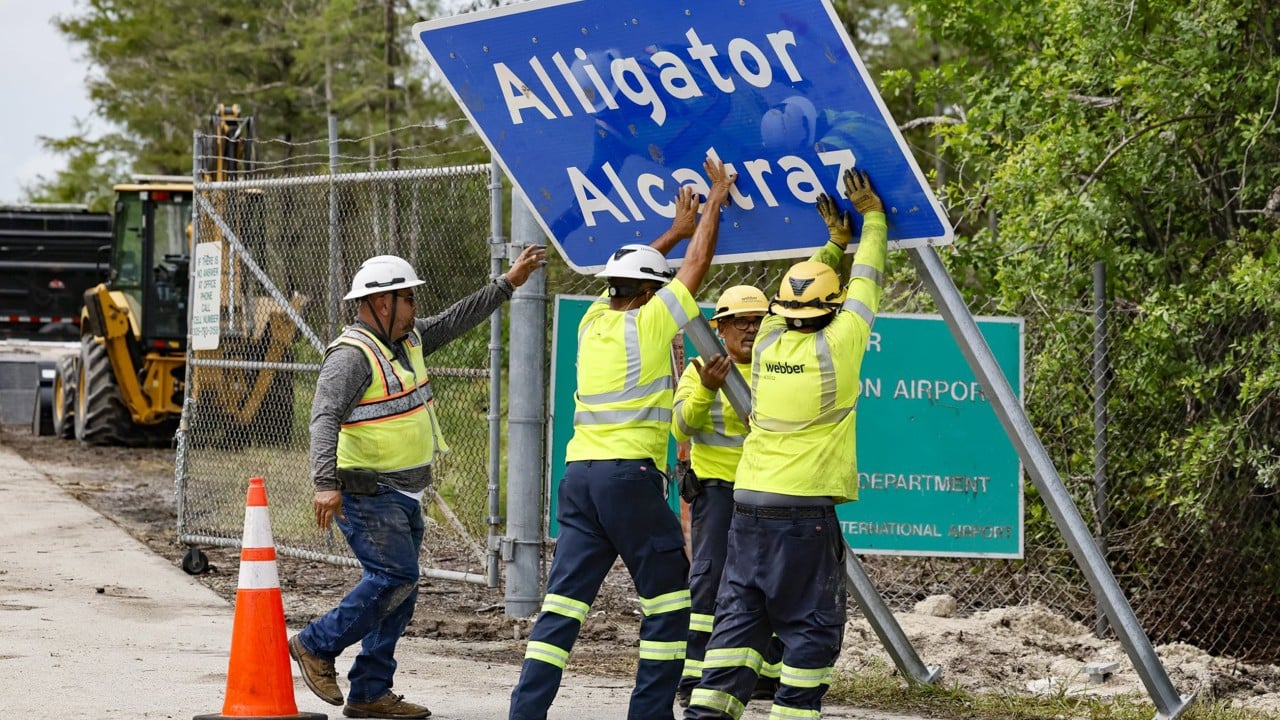
POLICY WIRE — Washington D.C., USA — Its evocative nickname alone conjured images of stark isolation and challenging geography: “Alligator Alcatraz.” This moniker belonged to a highly contentious immigration detention facility nestled deep within Florida’s remote Everglades, a project that swiftly became emblematic of former US President Donald Trump’s zealous deportation initiatives. Now, after operating for less than a year, the doors of this costly and criticized center have closed permanently, officials announced Thursday.
Florida Governor Ron DeSantis confirmed the facility’s closure from its secluded Everglades site, where he appeared alongside White House border tsar Tom Homan. DeSantis stated that the facility, initially envisioned to handle emergency influxes, no longer housed any detainees and had fulfilled the “emergency role it was built to serve.” (Reporting based on Associated Press)
The brief operational lifespan of “Alligator Alcatraz” underscores the complex, often polarizing, nature of modern immigration enforcement in the United States. Its inception, management, and ultimate closure have unfolded against a backdrop of intense public scrutiny and debate over migrant rights and border security.
From its earliest days, the facility drew fierce criticism from various quarters. Advocacy groups decried the conditions and the very premise of detaining asylum seekers and undocumented individuals in such a remote, presumably austere, environment. For many, its existence was a stark manifestation of a policy agenda characterized by zero-tolerance approaches and expanded detention capacity, designed to deter unlawful border crossings.
The financial outlay required to construct and operate such a facility, especially one positioned in a challenging ecological landscape like the Everglades, also fueled concerns. Taxpayer money invested in “Alligator Alcatraz” became a focal point for those questioning the efficacy and humanitarian implications of such high-cost, short-term solutions to complex societal issues. Its designation as a key component of the Trump administration’s broader deportation efforts amplified its symbolic weight, transforming it into a flashpoint in the national conversation surrounding immigration reform.
While specific details regarding the operational challenges that may have contributed to its early closure remain limited in the immediate aftermath of the announcement, the decision to shut down reflects a significant, if not necessarily unexpected, turn of events for a site that was, for a time, at the very center of America’s immigration narrative. Its swift disappearance from the active detention roster will undoubtedly lead to questions about the strategic planning and long-term viability of similar future projects.
What This Means
The closure of the “Alligator Alcatraz” detention center, barely a year after its high-profile unveiling, indicates several potential shifts in approach, or perhaps merely a conclusion to its initial mandate. Its rapid transition from an active facility to an empty one might signal a recalibration of immigration detention strategies, potentially moving away from standalone, purpose-built sites — especially those attracting such vocal opposition and significant expense.
Alternatively, the government’s stance, as articulated by Governor DeSantis, suggests the “emergency” conditions that necessitated its construction have passed, implying a reduction in the specific population it was intended to house. The financial prudence of operating such a costly facility for such a short duration will inevitably be analyzed, particularly by fiscal conservatives and human rights organizations alike. Ultimately, its closure closes a contentious chapter in the country’s immigration enforcement saga, though it doesn’t resolve the broader, persistent debates about how best to manage the complexities of human migration and border security.