

Airbus Orders Urgent A380 Inspections After Wing Cracks Detected on Select Aircraft
POLICY WIRE — Toulouse, France — The aerospace giant Airbus has initiated a critical inspection directive concerning its flagship A380 superjumbo, with an urgen...

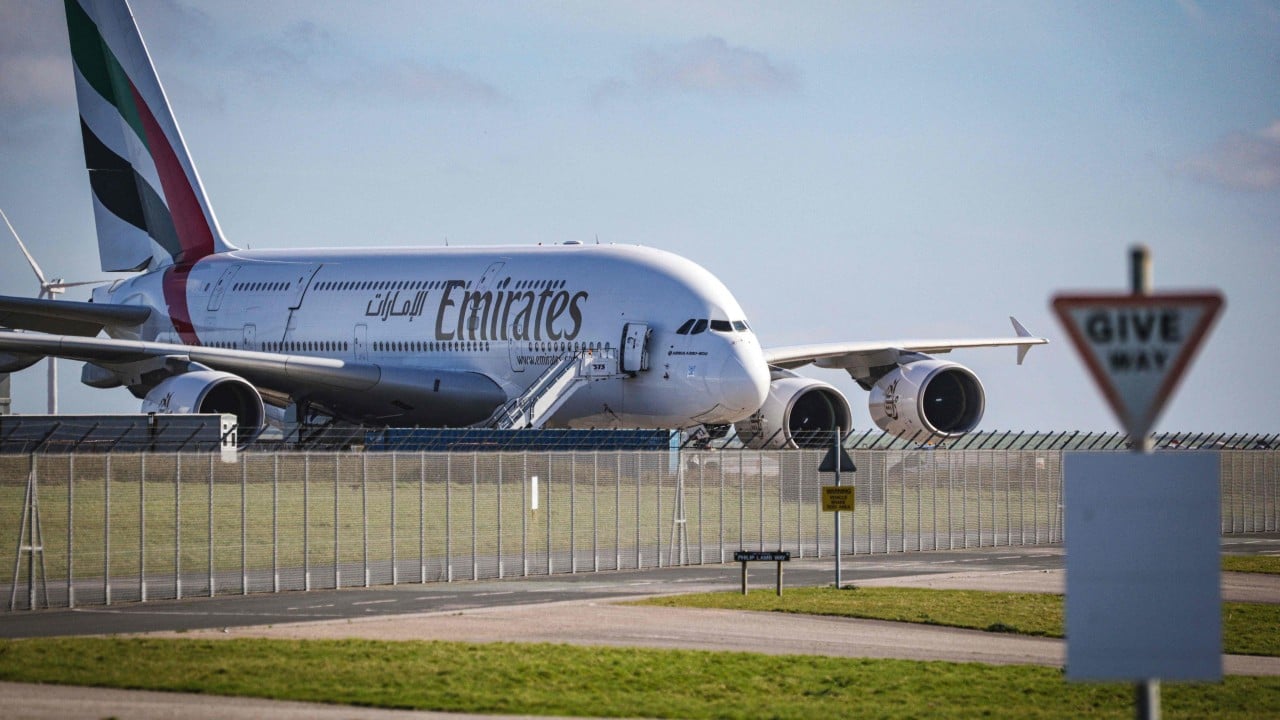
POLICY WIRE — Toulouse, France — The aerospace giant Airbus has initiated a critical inspection directive concerning its flagship A380 superjumbo, with an urgent mandate issued on Tuesday for checks on 16 aircraft. Five of these gargantuan planes are to undergo immediate scrutiny, following the discovery of structural fissures in a pivotal wing component.
The imperative for these inspections arose after maintenance crews conducting routine checks uncovered cracks in a structural beam integrated within the wing. This particular beam is understood to carry a substantial portion of the load endured by the aircraft’s wings during flight. The immediate impact targets aircraft operated by major international carriers, specifically Emirates and Qantas airlines, where these initial concerns were noted.
Reinforcing the gravity of the situation, the European Union Aviation Safety Agency (EASA) has stepped in, ordering these inspections as a matter of urgency. The EASA directive explicitly requires airlines to examine the wing-spar structure on the affected jets, underscoring the critical role this component plays in the airframe’s integrity.
Such discoveries, while certainly raising concerns, are a testament to the rigorous, albeit sometimes disruptive, nature of modern aircraft maintenance protocols. Aircraft, especially large, wide-body jets like the A380, undergo cyclical deep checks where every inch of the airframe is examined for wear, fatigue, or damage. The detection of cracks during these routine procedures indicates that existing safety nets are, in fact, functional. However, the manufacturer’s immediate response and EASA’s subsequent regulatory mandate highlight the seriousness with which any potential structural compromises are treated within the aviation industry.
The A380, celebrated for its expansive cabins and quiet flights, represents a significant investment for its operators and remains a popular choice on high-density routes. The affected component, described as a structural beam running along the wing, is a foundational element. Its integrity is non-negotiable for safe operation, as it directly contributes to the wing’s ability to withstand the immense aerodynamic forces encountered during takeoff, cruising, and landing. Cracks, regardless of their initial size, can propagate over time under repeated stress cycles, making early detection and resolution paramount.
Airbus’s proactive approach, combined with the EASA’s regulatory oversight, reflects a standard industry practice where safety remains the absolute priority. The inspection process for such a component typically involves sophisticated non-destructive testing techniques, which can include eddy current, ultrasonic, or X-ray inspections to detect even microscopic flaws. Once identified, the remedial action would involve either repair, reinforcement, or replacement of the affected part, a process that can ground an aircraft for an extended period, leading to operational challenges for airlines.
The fact that five aircraft require immediate inspection, and another eleven will follow, suggests a pattern that, while potentially localized, warrants a fleet-wide investigation to understand the scope and root cause. This type of discovery is not entirely unprecedented in aviation history; structural issues, particularly metal fatigue, have historically led to various inspection mandates and design modifications across different aircraft types over the decades. Lessons learned from such events have continually informed — and improved aircraft design and maintenance practices.
The response from both Airbus, the manufacturer, and EASA, the certifying authority, is geared towards preventing any escalation of the issue. The cooperation between airlines, manufacturers, and regulators is critical in such scenarios, ensuring that data is shared, best practices are applied, and passenger safety is uncompromised. (Reporting based on wire service material)
What This Means
For airlines like Emirates and Qantas, operating the A380, this development translates into immediate logistical and operational considerations. The grounding of any large aircraft, even temporarily, incurs significant costs, impacts scheduling, and potentially disrupts passenger travel plans. While the exact financial and operational fallout is yet to be fully determined, an urgent inspection directive invariably tests an airline’s operational resilience.
For Airbus, these inspections, while an expected part of product lifecycle management, mean a focus on supporting operators through the process, potentially involving engineering analysis and parts supply. It highlights the continuous engineering vigilance required even for mature aircraft programs. The wider implication for the aviation sector underscores that even the most thoroughly engineered and tested aircraft require constant monitoring and adherence to stringent maintenance schedules. It’s a perpetual balance between operational efficiency — and the absolute imperative of structural integrity.
Ultimately, these urgent inspections serve as a robust example of the multilayered safety ecosystem within global aviation. While the discovery of cracks is a serious finding, the rapid, structured response from the manufacturer and regulatory bodies aims to ensure that such issues are contained and resolved well before they could ever pose a significant threat to flight safety. The question for the industry now shifts to understanding the commonality of these cracks and what, if any, broader implications they hold for the long-term maintenance and structural life of the A380 fleet.