


Europe’s Taliban Outreach Exposes the Double Standards Long Ignored in Afghanistan
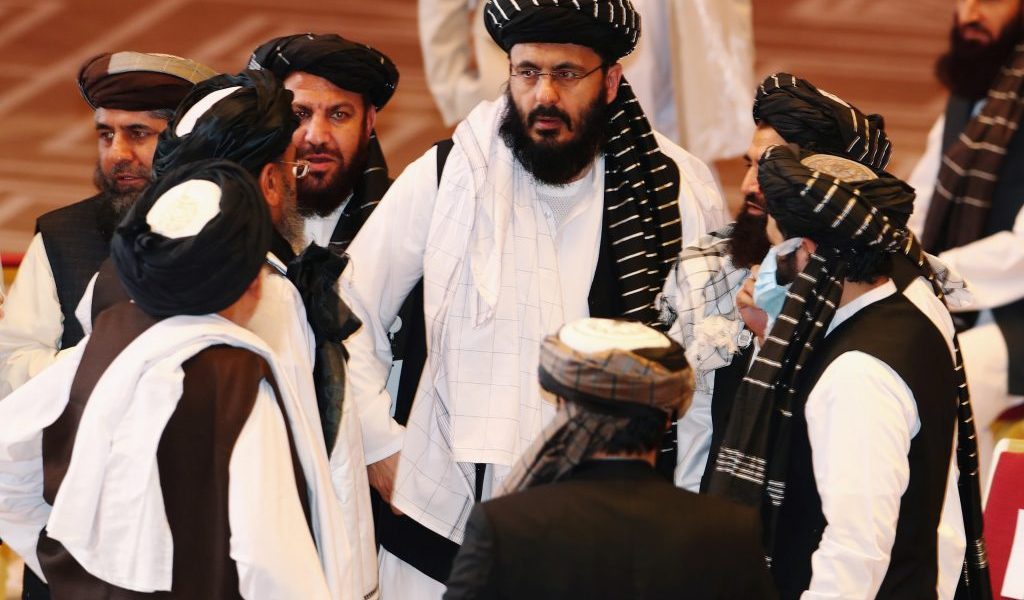
The EU’s recent announcement of hosting a Taliban representative to Brussels has once again revealed a mismatch within Western policy toward Afghanistan. Capital cities of Europe and...

The EU’s recent announcement of hosting a Taliban representative to Brussels has once again revealed a mismatch within Western policy toward Afghanistan. Capital cities of Europe and international human rights groups have long faulted fellow regional nations in particular Pakistan for having channels of communication with Afghan authorities in the interests of border management, security cooperation, refugee issues and regional stability. Today, though, many of the same governments seem ready to deal with the Taliban head-to-head when it comes to issues of national self-interest.
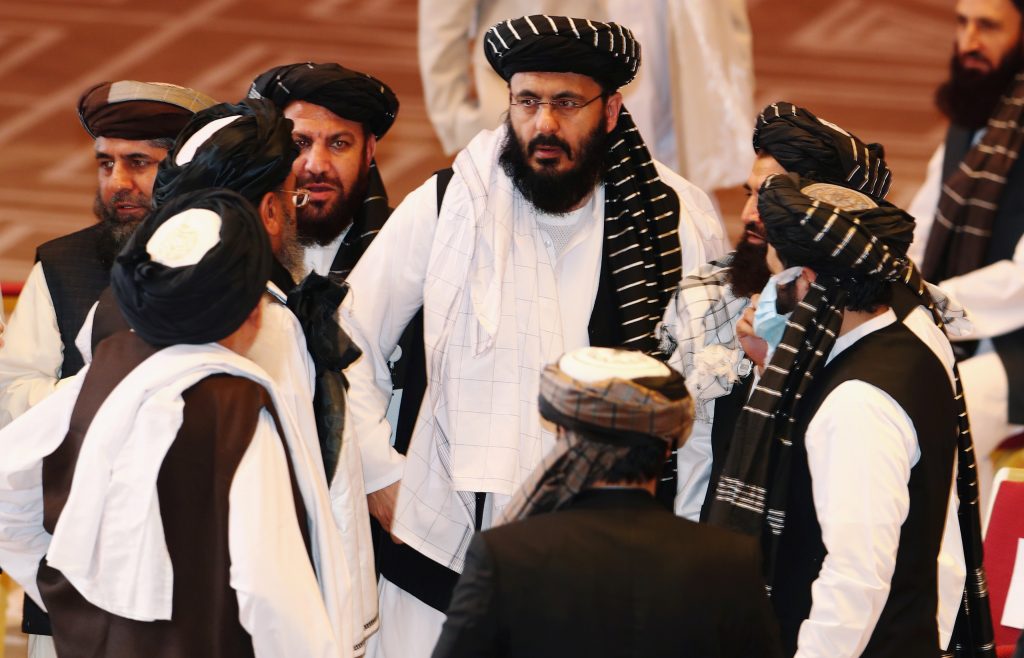
The move of inviting the Taliban representatives to Europe, in a time European governments talk down about the human rights violations they commit, means endangering the credibility of Europe’s governments in the eyes of the public, says Human Rights Watch. The criticism points to a reality that has become more and more evident: When migration becomes an issue for Europe, values tend to be compromised by political expediencies.
The European Commission has invited a Taliban technical delegation for talks on deportation of Afghan migrants, reports said.The European Commission had invited a delegation of the Taliban in technical discussions on the deportation of Afghan migrants, it was reported. Germany is also said to have worked on broadening Taliban ties to secure more cooperation for the repatriation of Afghan nationals convicted of crimes. The transfer was part of an increasing political push in Europe to enact stricter immigration laws and expedite deportations.
In Pakistan these developments are of a special significance. Pakistan, directly affected by the chaos in Afghanistan, has suffered its effects for over four decades. Pakistan has been one of the biggest guest countries in the world since 1979 when it was the host of the millions of Afghan refugees. Though Pakistan is not spared from economic and security woes, it has admitted some 4 million Afghan nationals for shelter at various points during the various phases of the conflict, according to estimates by the international community.
During this time, Pakistan kept pressing for the need to practically engage with the authorities operating on the ground in Afghanistan that are effectively in control, with the focus on finding sustainable solutions rather than reflecting political choice. But, this has been gathered in Western nationalist terminology as “hassled”, “controversial” or “not a human rights issue”.
The governments of the European Union seem to have come to the same conclusion today.
But the facts are clear: no isolation can lead to successful migration management, counterterrorism co-ordination operations or humanitarian response. It does not matter whether one is pro-Taliban or anti-Taliban, Taliban are the one who de facto rules Afghanistan. Communication is a necessary part of any regional challenge effectively managed, and that is inevitably to be done with Kabul.
Controversy stems from the European position, and not from the nature or essence of engagement.It is not engagement but the seeming incoherence around it that gives the European attitude its controversial nature. On the other hand, western governments still denounce the regional countries for the maintaining of contact with the Afghan government. Domestically, on the other hand, they are trying to secure matches that have yielded similar results in their response to migration and security concerns.
That is, when it comes to burden sharing, this discrepancy is even more striking. It is a debate in Europe which will be taking place on deportation options for a relatively small number of Afghan migrants, whereas Pakistan has been dealing with one of the largest refugee populations in modern history for decades. The expenses of such a responsibility have been astronomical, both economic, social and security.
Certain actors have also overstepped themselves in commenting on Pakistan’s threats of cross-border terrorism, which has also been blithely ignored by them as well. But this regional instability has been very expensive. In the last 20 years, thousands of civilians and security personnel have been killed in the name of terror in Pakistan. Terrorism and security operations have cost the nation in the hundreds of billions of dollars.
In this context, Islamabad’s focus on regional stability and actionable moves seem to be bearing more fruit.
The European debate also takes place within a wider context on international credibility. The application of the human rights principles is most effective when these laws are applied in an consistent manner. Any relationship with the Taliban that is viewed as unsuitable by the region is hard to justify when it is agreed upon by European governments, but not when it involves the region.
All this does not detract from the significance of human rights issues in Afghanistan. It is a point of legitimate international concern that the welfare of Afghan citizens, including women, minorities, journalists and political activists, continues to be an issue. But rhetoric is necessary with realism in order to tackle these concerns.
However, the problems in Afghanistan can not be solved by selectively undertaking engagement activities for their own domestic political requirements. Neither can stability be brought about by policies that change with the election climate in other capitals.
The reported talks in Brussels are thus more than just a migration discourse. They represent a gradual shift in Europe’s attitude towards the government they have in Afghanistan that they must deal with. Surprisingly, it is something for which Pakistan and all other regional stakeholders have been urging for years.
With European governments increasingly leaning toward direct talks with the Taliban, they’ll find themselves in a tough situation soon: by now they’re doing the pragmatics that they had earlier doubted. The question is whether they can do so in a manner consistent and transparent, and respecting international commitments.
The international community should take seriously the need to engage regional partners to solve the problems of Afghanistan, accept Pakistan’s long standing sacrifices, and adopt policies based on ingenuity, and on realities rather than selective principles.
Author