
US Lifts Decades-Old Sanctions, Authorizes Iranian Oil Sales Amid Peace Push
POLICY WIRE — In a move with profound geopolitical and economic implications, the United States on Monday authorized the sale of Iranian oil. This decision mark...

POLICY WIRE — In a move with profound geopolitical and economic implications, the United States on Monday authorized the sale of Iranian oil. This decision marks a notable departure from policies spanning decades, signaling a deliberate easing of long-standing sanctions as Washington pursues a comprehensive peace agreement with Tehran. (Reporting based on wire reports)
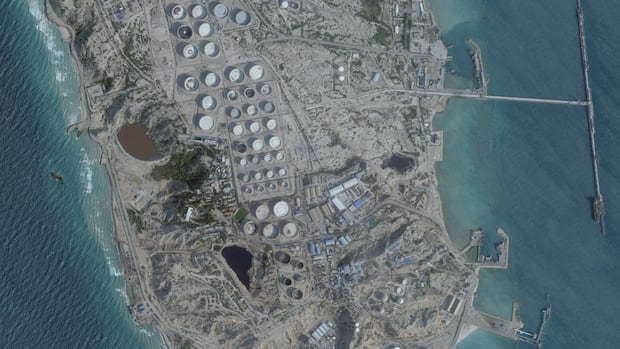
The authorization, which permits Iranian crude to re-enter the global market, is presented as a crucial component of ongoing negotiations. Its implementation is directly tied to specific commitments sought from the Islamic Republic: namely, adherence to robust nuclear inspections and guarantees of unimpeded transit for shipping through the strategically critical Strait of Hormuz.
For years, U.S. sanctions have heavily targeted Iran’s oil industry, a primary source of the nation’s revenue. These punitive measures, often intensifying during periods of heightened tension, were initially imposed to pressure Tehran over its nuclear program, regional influence, and human rights record. The recent announcement thus represents a significant shift in U.S. foreign policy, one predicated on the prospect of de-escalation — and a lasting resolution.
The requirement for commitments on nuclear inspections points directly to the enduring international concern over Iran’s atomic ambitions. The potential for a deal would likely involve verifiable mechanisms to ensure Tehran’s nuclear program remains exclusively peaceful, a recurring theme in diplomatic engagements between Iran and world powers. Without direct quotes in the source material, it remains an open question what form these specific commitments will take, but history suggests rigorous oversight is paramount.
Equally critical to any future agreement is free transit through the Strait of Hormuz. This narrow waterway, nestled between the Arabian Peninsula and Iran, is one of the world’s most vital choke points for oil shipments. Historically, tensions in the Strait have frequently spiked, disrupting maritime traffic — and raising global oil prices. Securing open and unhindered passage through this chokepoint is a top priority for international trade and security, especially for countries dependent on Gulf oil supplies.
The easing of these decades-old sanctions on Iranian oil has the potential to significantly impact Iran’s struggling economy, offering a much-needed injection of revenue. For the global oil market, a renewed flow of Iranian crude could help stabilize prices and diversify supply chains, although the ultimate effect would depend on the volume of oil allowed and the speed of its integration. The carefully phrased terms, however, emphasize that this is not an unconditional concession, but rather a strategic play in a complex negotiation.
The path to a final peace deal between the United States and Iran is fraught with historical mistrust and geopolitical complexities. Both sides have, at various junctures, expressed willingness to engage, yet significant barriers have persisted. This latest development suggests that diplomatic channels remain open and productive, even if the road ahead is likely to be challenging and protracted.
What This Means
This latest action by the U.S. administration underscores a pragmatism often seen in international diplomacy: the willingness to trade economic leverage for security assurances. By authorizing Iranian oil sales, Washington offers a substantial incentive for Tehran to comply with conditions it has long resisted or been accused of violating. The success of this approach hinges entirely on Iran’s readiness to deliver concrete, verifiable commitments, particularly on its nuclear program and the unimpeded passage of commercial shipping.
Should a broader peace deal materialize on these terms, the regional dynamics of the Middle East could see a significant rebalancing. A more integrated Iran, even under cautious watch, could reshape economic partnerships and potentially diffuse long-standing proxy conflicts, though skepticism from regional allies of the U.S. is almost guaranteed. Conversely, if these new conditions are not met, or if a deal unravels, the snapback of sanctions would be a likely, and rapid, consequence, possibly leaving both nations further from any lasting resolution. The diplomatic stakes are remarkably high; what Monday’s decision represents is less a conclusion and more an intensified phase of negotiation where economic relief is exchanged for strategic compromise.