


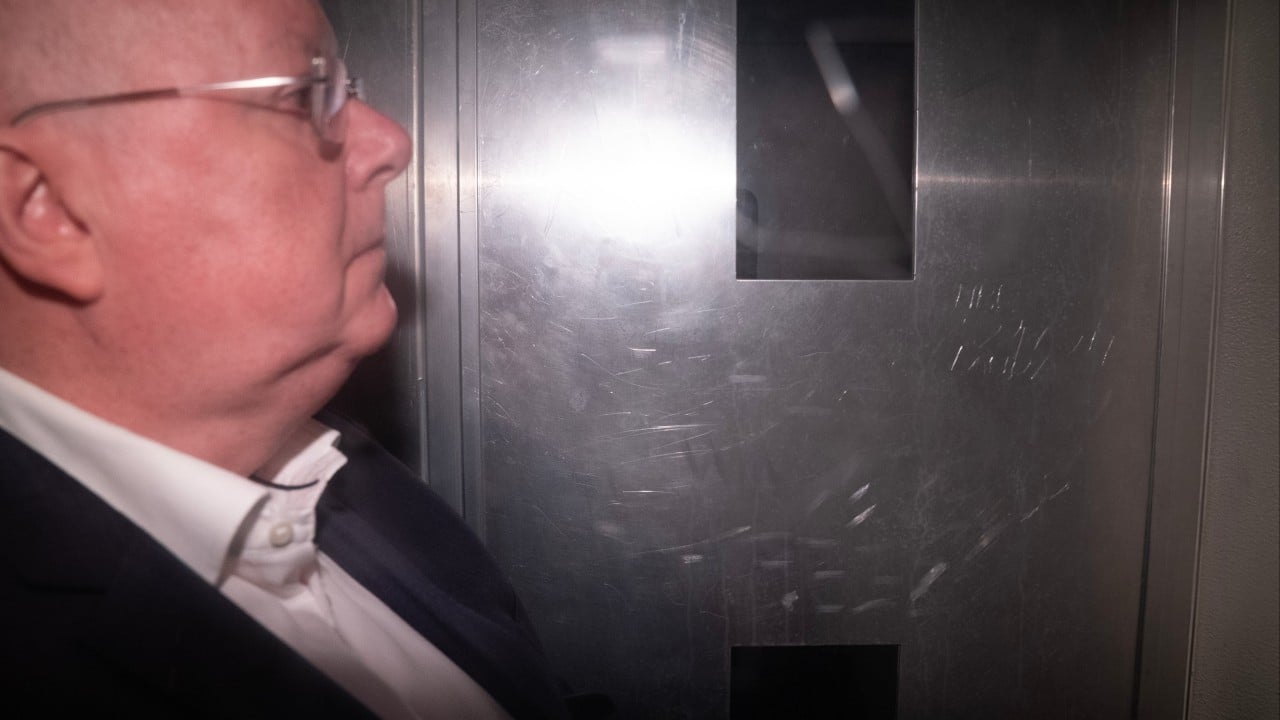
Former SNP Chief Executive Peter Murrell Jailed for Embezzling Party Funds
POLICY WIRE — Edinburgh, Scotland — A significant figure within Scottish politics has been handed a substantial prison sentence, underscoring the severe repercu...

POLICY WIRE — Edinburgh, Scotland — A significant figure within Scottish politics has been handed a substantial prison sentence, underscoring the severe repercussions for financial misconduct in public life. Peter Murrell, the 61-year-old former chief executive of the Scottish National Party (SNP), was jailed for just over five years on Tuesday. His sentencing follows an admission of guilt for embezzling more than £400,000 (US$540,000) from party coffers, funds he used to acquire a range of personal assets, including cars, a motorhome, and various luxury goods.
Murrell’s conviction casts a long shadow over a party that has, until recently, dominated the political landscape north of the border. His activities, which led to a plea of guilty, involved a considerable sum siphoned from the SNP’s finances, meant for legitimate party operations and campaigning. The details emerging from the court reveal a pattern of illicit expenditures benefiting Murrell directly, away from their intended purpose of supporting the party’s political objectives. The specific items purchased, from vehicles to other high-value commodities, highlight the personal nature of the financial misappropriation.
This development is not an isolated incident but rather a piece in a larger, complex narrative that has gripped Scottish politics for over a year. Peter Murrell is, the estranged husband of Nicola Sturgeon, who served as Scotland’s First Minister and the leader of the SNP for nearly a decade. Her abrupt resignation from both roles in 2023, coming shortly before the investigation into the party’s finances escalated, raised questions and speculation across the political spectrum. (Reporting based on wire reports)
The probe into the party’s financial dealings eventually led to Sturgeon’s arrest, an event that sent shockwaves through Scottish society. However, a significant twist came last year—specifically in March—when she was formally cleared of any wrongdoing in connection with the financial irregularities under investigation. This clearance marked a personal reprieve for Sturgeon, though the cloud of suspicion surrounding the SNP’s management of funds persisted, ultimately leading to Murrell’s conviction.
The saga has exposed internal fragilities within the SNP at a time when the party faces increasing scrutiny and challenges to its long-held political dominance. The party, known for its pro-independence stance and electoral success, now confronts a period of rebuilding trust with its membership and the wider Scottish electorate. The loss of such a senior operational figure, under such disreputable circumstances, inevitably forces a re-evaluation of governance and financial oversight practices within the organization.
The embezzlement case against Murrell serves as a stark reminder of the ethical responsibilities incumbent upon those who hold positions of power and trust within political parties. It also underscores the robust legal framework in place to investigate and prosecute financial crimes, regardless of the individual’s political stature or previous contributions.
What This Means
Peter Murrell’s conviction for embezzling over £400,000 in party funds signals a pivotal moment for the Scottish National Party. Coming on the heels of Nicola Sturgeon’s high-profile resignation and subsequent exoneration, this event contributes to a challenging period for a party that has traditionally presented itself as a bastion of good governance and national integrity.
The immediate implication is likely a heightened demand for transparency and accountability within the SNP’s financial structures. Members and the public will seek assurances that such illicit activities cannot be repeated, potentially leading to significant internal reforms. For the broader Scottish political landscape, Murrell’s sentencing might serve as a distraction from key policy debates, such as those concerning Scotland’s constitutional future, diverting public attention to internal party issues rather than governmental agenda.
the revelations of luxury spending funded by embezzled party money could damage the SNP’s public image, particularly among voters who expect their donations to support political campaigns and public service, not personal enrichment. While Nicola Sturgeon herself has been cleared of involvement, her close personal and professional connection to Murrell during his tenure inevitably means the scandal will be associated with the period of her leadership. The challenge for the SNP’s current leadership will be to definitively sever this association and rebuild public confidence in its stewardship of both the party and potentially, the nation’s affairs.