

Tesla Driver Alleges ‘Self-Driving’ in Texas Home Collision
POLICY WIRE — Austin, Texas — A peculiar incident unfolded in Texas this past Friday, drawing immediate attention to the often-debated capabilities and liabilit...

POLICY WIRE — Austin, Texas — A peculiar incident unfolded in Texas this past Friday, drawing immediate attention to the often-debated capabilities and liabilities associated with advanced driver-assistance systems. According to wire reports, a Tesla driver involved in a collision where his vehicle veered into a local home stated he had been utilizing the car’s ‘self-driving’ technology at the time of the crash.
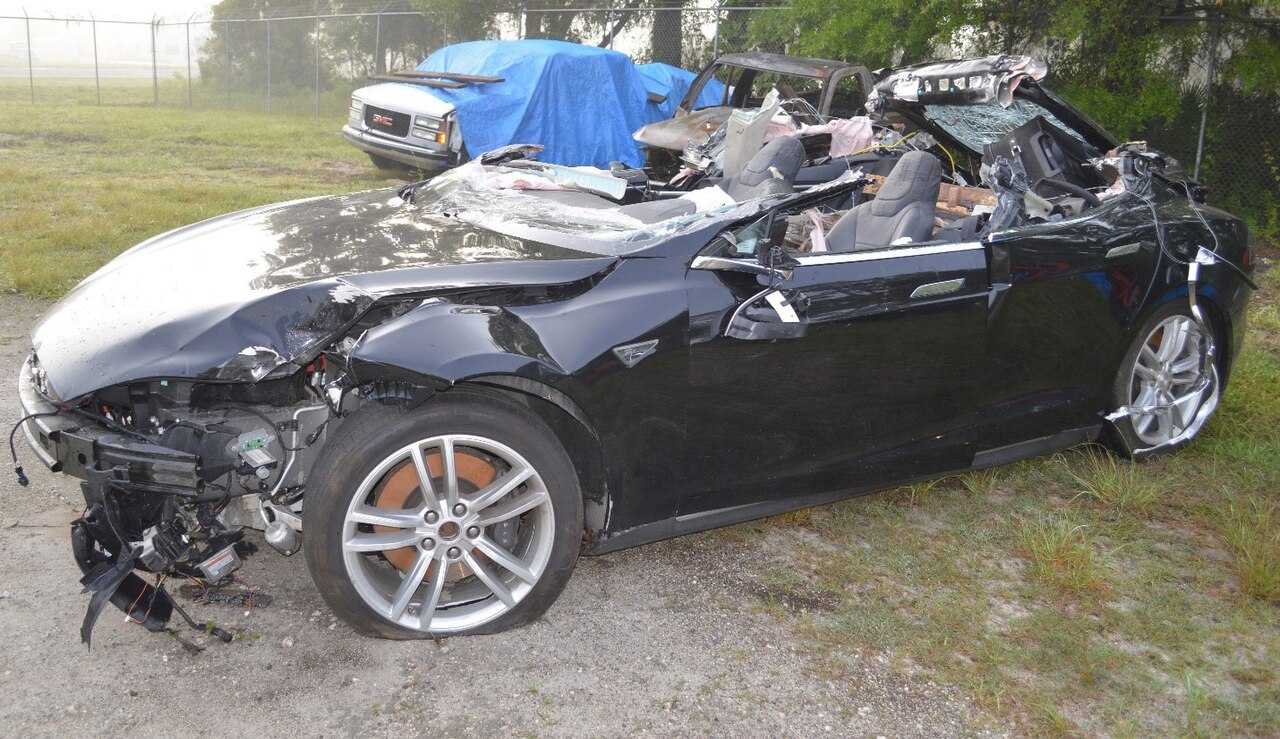
The incident involved the Tesla speeding off the road — and directly impacting a private residence. While specific details surrounding the cause of the acceleration and the exact sequence of events leading up to the impact remain scant in initial reports, the driver’s immediate claim regarding the active ‘self-driving’ system has placed the spotlight once again on automotive autonomy.
Tesla, led by CEO Elon Musk, offers two primary advanced driver-assistance features: ‘Autopilot’ and ‘Full Self-Driving’ (FSD) Beta. Despite their names, both systems require active human supervision — and don’t render the vehicle fully autonomous. Drivers are explicitly warned to remain attentive — and prepared to take control at all times. This nuance, however, is often lost in public perception and can lead to misunderstandings about the systems’ true capabilities and limitations. (Reporting based on Associated Press)
The terminology itself has been a point of contention among safety advocates — and regulators alike. Critics argue that names like ‘Full Self-Driving’ create a misleading impression of a car’s autonomy, potentially encouraging drivers to disengage from the task of driving. This perception, they contend, could contribute to a false sense of security and, consequently, dangerous situations on the road. Regulatory bodies in various jurisdictions have echoed these concerns, emphasizing that the driver remains ultimately responsible for the operation of the vehicle.
Prior to this incident, Tesla’s driver-assistance systems have been the subject of considerable public discourse and scrutiny, including numerous investigations by the National Highway Traffic Safety Administration (NHTSA) in the United States. These probes have often centered on accidents involving Teslas operating with Autopilot or FSD engaged, examining issues such as crashes into parked emergency vehicles, sudden braking incidents, and other erratic behaviors reported by drivers.
Such investigations typically aim to determine whether design flaws, system malfunctions, or driver misuse contributed to the incidents. The outcomes often influence regulatory guidance for manufacturers and inform public education campaigns regarding the safe use of these evolving technologies. The Texas incident is likely to add further data to this ongoing examination.
The burgeoning field of autonomous vehicle technology represents a complex intersection of innovation, public safety, and regulatory challenge. While proponents envision a future with fewer accidents and more efficient transportation, each incident involving these systems serves as a stark reminder of the rigorous testing, clear communication, and robust regulatory frameworks necessary before fully autonomous vehicles can become a widespread reality. The current state is one of advanced assistance, not outright replacement of the human element.
What This Means
The claim by the Tesla driver regarding ‘self-driving’ technology during the Texas home collision highlights several critical aspects of the autonomous vehicle landscape that continue to pose challenges for both developers and regulators. First, the incident underscores the persistent ambiguity surrounding the nomenclature used by manufacturers. Terms such as ‘Full Self-Driving’ can implicitly promise capabilities that current technology simply doesn’t deliver, potentially fostering over-reliance among users.
Secondly, it reignites the debate over driver responsibility versus system accountability. While automotive companies routinely assert that the driver must remain engaged and ready to intervene, incidents like this one test the practical limits of that expectation in real-world scenarios. Establishing a clear legal and ethical framework for accountability when advanced driver-assistance systems are engaged remains an evolving area of law and public policy.
Finally, this event contributes to the accumulating body of evidence and public discourse that will inevitably shape the future of autonomous technology. Each crash, particularly those where a system’s involvement is alleged, informs regulatory scrutiny and public perception. Moving forward, the industry faces the challenge of not only advancing the technology but also educating the public, standardizing terminology, and working collaboratively with regulatory bodies to ensure that safety remains paramount as vehicles become increasingly automated. This balance between innovation and robust safety protocols will dictate the pace and acceptance of true autonomous driving.