


As Mosquito Season Intensifies, Canadians Turn to Social Media for Novel Pest Control
POLICY WIRE — Ottawa, Canada — Residents in certain regions of Canada are bracing for what some fear could be a particularly severe mosquito season. As temperat...

POLICY WIRE — Ottawa, Canada — Residents in certain regions of Canada are bracing for what some fear could be a particularly severe mosquito season. As temperatures rise and standing water provides fertile breeding grounds, the usual seasonal annoyance is compounded by concerns of increased activity from these ubiquitous pests. Consequently, many Canadians are turning to social media platforms not just for news and entertainment, but for practical—and occasionally unconventional—solutions to curb the swarming menace.
Among the various DIY methods circulating online, one particular trend has garnered significant attention: the aptly named ‘bucket of doom.’ This informal moniker refers to a home-based mosquito trap setup that has seen a surge in popularity, alongside reports of a concurrent uptick in demand for specific insect control products like ‘mosquito dunks.’ (Reporting based on Associated Press)
The convergence of an anticipated challenging insect season and the viral spread of home remedies highlights a growing public interest in accessible, often self-managed, pest control strategies. What began as anecdotal shared advice has quickly blossomed into a widespread phenomenon across digital communities in the affected Canadian areas, driving sales for associated products and fostering discussions around their effectiveness and safety.
The ‘Bucket of Doom’ and Its Components
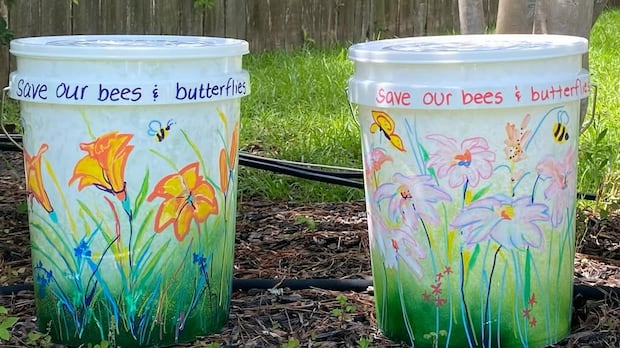
At its core, the ‘bucket of doom’ is a simple concept designed to lure — and eliminate mosquito larvae. While specific constructions vary, the general idea involves a container — often a five-gallon bucket — filled with water. Into this water, ‘mosquito dunks’ are typically introduced. These dunks, for background, are typically made of a naturally occurring bacterium, Bacillus thuringiensis subspecies israelensis (Bti), which is highly effective against mosquito and black fly larvae but is generally considered harmless to humans, pets, and beneficial insects. As a piece of general knowledge, Bti works by releasing toxins that target the digestive systems of larvae when ingested, effectively preventing them from maturing into biting adults.
The appeal of this method lies in its apparent simplicity and perceived eco-friendliness compared to chemical sprays that impact adult mosquitoes over wider areas. Advocates on social media often share variations, adding organic matter like grass clippings or hay to create a more attractive breeding site for mosquitoes, thereby drawing them away from populated areas where their eggs might otherwise hatch in incidental standing water.
However, like many viral home remedies, its actual efficacy and broad application remain subjects of discussion among public health experts and entomologists. While Bti is a well-established and approved larvicide used in professional mosquito control programs, the proper placement, concentration, and frequency of ‘bucket of doom’ deployment by individual citizens are not standardized, potentially leading to varied results.
📄 POLICY WIRE WHITEPAPER PUBLISHED: PAKISTAN'S NATIONAL SECURITY POLICY PRIORITIES
👉 READ BY CLICKING HEREThe Science Behind Larval Control
Targeting mosquitoes at their larval stage is a fundamental principle of integrated pest management. Because mosquito larvae develop in water, disrupting this phase of their life cycle can significantly reduce adult populations before they even emerge to bite. For instance, according to widely recognized public health guidelines, regularly emptying bird baths, overturning unused tires, cleaning gutters, and ensuring proper drainage are all effective ways to eliminate larval habitats.
Mosquito dunks are a retail manifestation of this strategy, providing a convenient way for homeowners to treat standing water that cannot be easily drained, such as decorative ponds or neglected areas of a yard. The reported sell-outs indicate that consumers are proactively seeking these solutions in anticipation of a heightened threat, suggesting a degree of public engagement with preventative pest control methods often advised by health authorities. But the phenomenon also points to a public health communication challenge: how to guide enthusiastic but potentially misinformed DIY efforts toward genuinely effective and safe practices.
What This Means
The strong public uptake of methods like the ‘bucket of doom’ during what’s projected to be a challenging mosquito season signals a critical moment for public health communication. When citizens resort to viral social media trends, it often reflects a demand for readily available solutions, sometimes outstripping official guidance or supplies. This could present an opportunity for Canadian public health agencies to amplify messaging around proven mosquito control strategies, potentially leveraging popular platforms to disseminate accurate information on both Bti-based treatments and essential practices like source reduction.
Looking ahead, a sustained increase in mosquito activity could elevate concerns about mosquito-borne illnesses, even if the primary nuisance factor remains the dominant concern in temperate climates. Proactive community engagement and clearly communicated, evidence-based recommendations for household-level interventions become paramount. While the ‘bucket of doom’ may not be a silver bullet, the public’s eagerness to adopt such measures highlights a collective willingness to participate in managing public health challenges, providing a foundation upon which more robust, informed strategies can be built.