

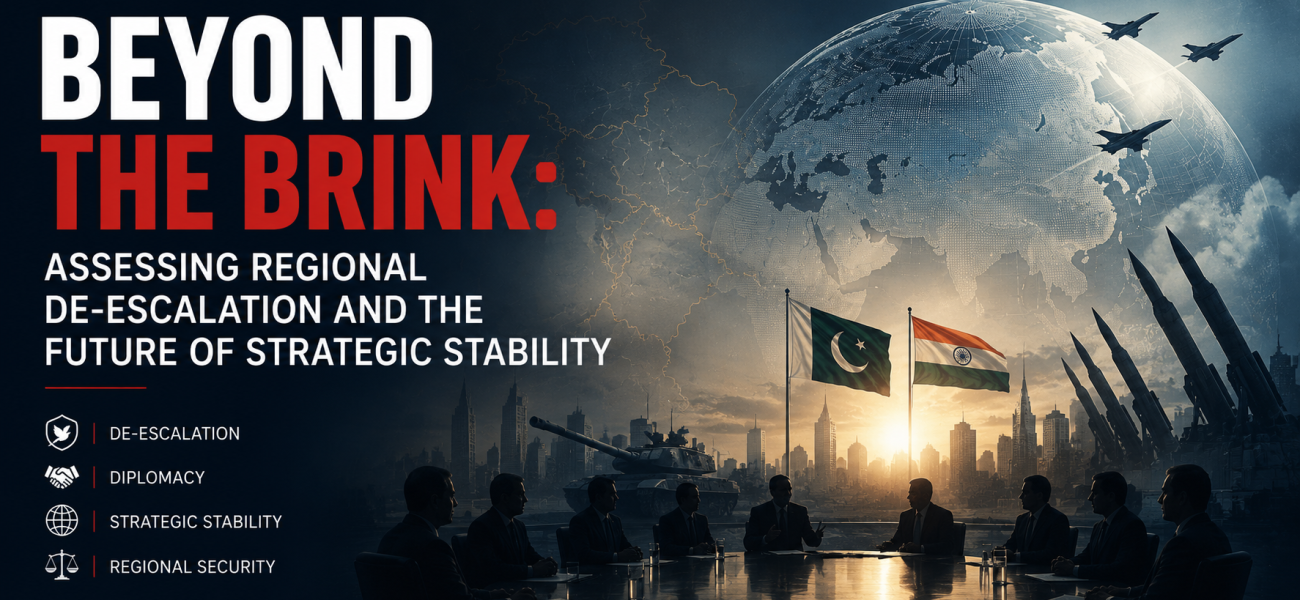
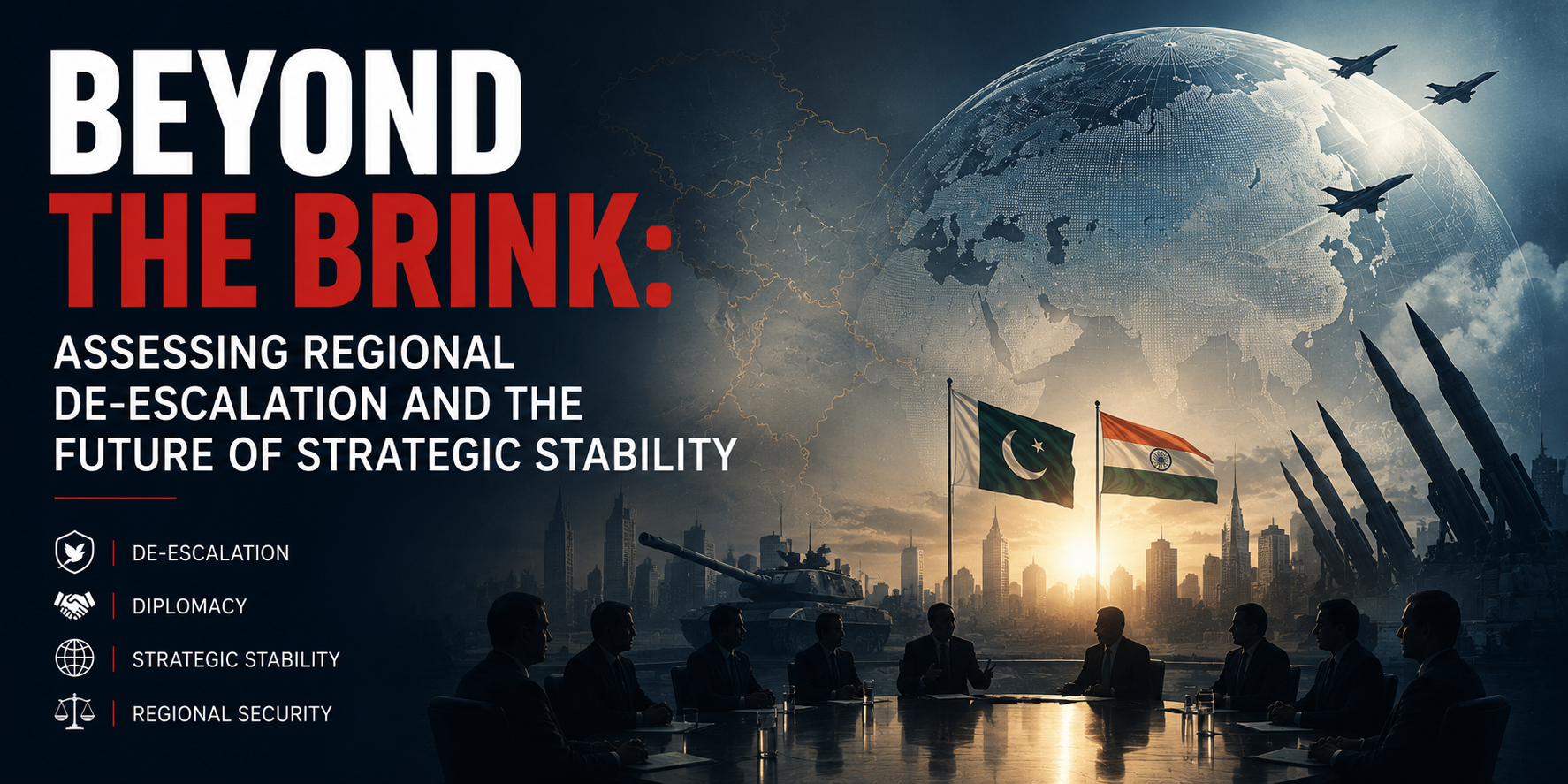
Beyond the Brink: Assessing Regional De-escalation and the Future of Strategic Stability
New negotiations between the United States and Iran have begun to address Iran’s nuclear program. Further correspondence, talks, and sanctions-related understandings have been established, with a...

New negotiations between the United States and Iran have begun to address Iran’s nuclear program. Further correspondence, talks, and sanctions-related understandings have been established, with a 60-day window to negotiate a broader peace agreement. Arab News reported that the agreement includes a ceasefire and signals a renewed commitment to diplomacy in the Middle East, a region that has long been shaped by recurring conflict, strategic competition, and external intervention.
From the perspective of International Relations, concessions have been made by both sides; however, the limited trust underlying these concessions suggests that the road to lasting peace remains diplomatic. Nevertheless, the temporary agreement has opened a viable pathway toward de-escalation. Its sustainability will depend on whether both the United States and Iran implement the political commitments necessary to uphold their respective obligations and translate diplomatic assurances into tangible policy actions. In the meantime, Washington has mitigated key military and energy concerns by helping stabilize regional markets and reducing immediate security risks. Iran has also benefited through the easing of economic pressures, particularly by creating opportunities for expanded oil sales, greater economic engagement, and a potential reduction in international isolation.
An important strategic aspect of the deal is the reopening of the Strait of Hormuz, one of the most critical chokepoints in global energy trade through which a significant portion of the world’s oil supplies transit. The effects of temporary de-escalation in this corridor are likely to be immediately felt through improved shipping confidence, reduced insurance costs, and greater stability in global energy prices. Beyond the economic implications, the agreement lowers the risk of accidental military escalation in one of the world’s most sensitive maritime regions. The most realistic interpretation of the agreement is that the region is moving toward risk management and conflict resolution rather than the complete elimination of geopolitical competition.
Within this evolving diplomatic landscape, Pakistan’s importance as a facilitator and supporter of peaceful engagement has become increasingly evident. By endorsing the framework and encouraging dialogue, Pakistan has demonstrated its commitment to diplomatic solutions at a time when constructive regional actors are urgently needed. Rather than remaining a passive observer, Pakistan has positioned itself as a responsible stakeholder advocating de-escalation, negotiation, and regional stability. This approach is consistent with Pakistan’s longstanding support for peaceful dispute resolution and reflects an increasingly proactive foreign policy that seeks to contribute positively to international security. In the broader framework of international relations, Pakistan’s role highlights the growing relevance of middle powers in supporting dialogue, reducing tensions, and creating diplomatic space for compromise between rivals.
Managing such intricate geopolitical dynamics requires careful equilibrium. Pakistan’s diplomatic credibility and balanced approach, supporting peace without becoming overly aligned with any single party, contribute positively to the functioning of the international system. By maintaining constructive relations with multiple stakeholders, Pakistan has been able to advocate dialogue while preserving strategic flexibility. When pursued consistently, this strategy can further strengthen the country’s ability as a constructive actor committed to regional stability, multilateral cooperation, and rules-based conflict resolution. Such an approach is particularly valuable within United Nations frameworks and broader international diplomatic processes, where credible mediators and bridge-builders remain in high demand.
📄 POLICY WIRE WHITEPAPER PUBLISHED: PAKISTAN'S NATIONAL SECURITY POLICY PRIORITIES
👉 READ BY CLICKING HEREThe most significant aspect of these agreements is that they reflect a growing recognition that perpetual confrontation is increasingly costly for all parties involved. The United States, Iran, regional actors, and the wider international community understand that a managed and predictable competitive order is preferable to unchecked escalation. The objective of diplomacy is not necessarily to eliminate competition, but to create mechanisms that prevent competition from escalating into conflict. In this regard, the constructive engagement of countries such as Pakistan demonstrates how responsible foreign policy can contribute to regional stability while simultaneously enhancing a state’s geopolitical relevance and international standing. If sustained, the current diplomatic momentum may serve as an important example of how dialogue, rather than coercion alone, can address complex security challenges in an increasingly interconnected world.
Author