


Conjugal Contradictions: One Serial Killer’s Stark Prison Forecast for Another
POLICY WIRE — San Quentin, California — The digital ether crackled with an unsettling bulletin this week, a macabre message passed between two architects of atrocity. It wasn’t a coded missive, nor...

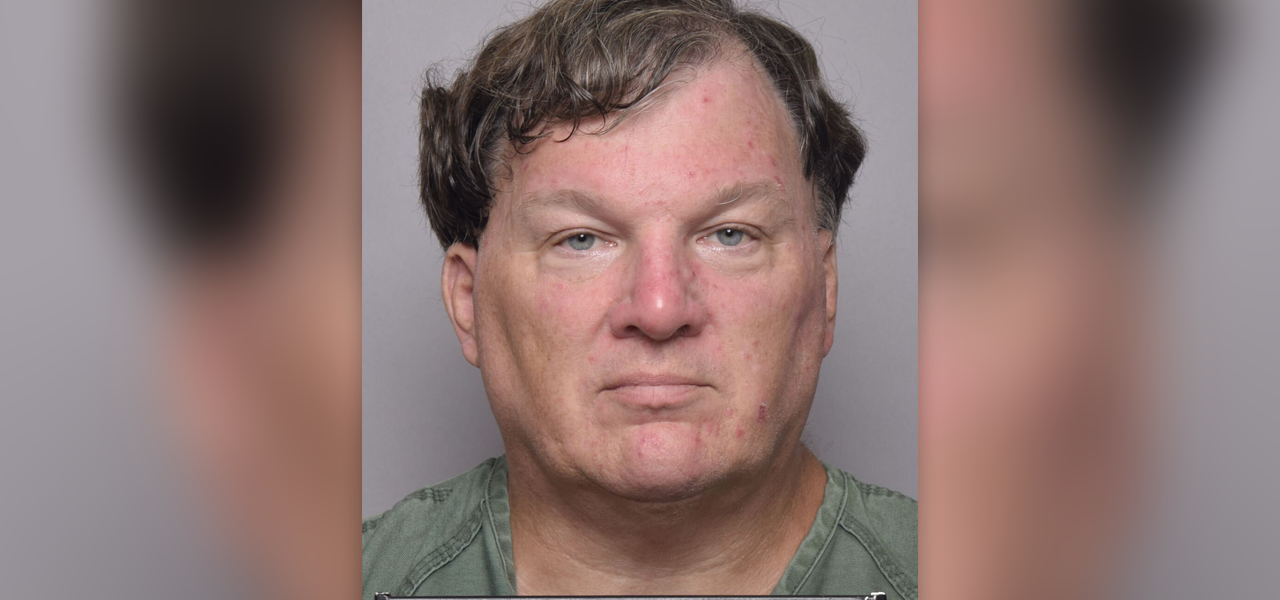
POLICY WIRE — San Quentin, California — The digital ether crackled with an unsettling bulletin this week, a macabre message passed between two architects of atrocity. It wasn’t a coded missive, nor an enigmatic threat. Instead, it was a blunt, almost perfunctory declaration, reportedly from the inmate known infamously as the ‘Happy Face’ killer. This particular oracle of the penitentiary industrial complex—an American creation like no other—cast a cold, clinical gaze toward Rex Heuermann, his reputed ‘fellow serial killer Rex Heuermann’, offering a stark forecast of his future. Heuermann, the suburban architect now standing accused in the grisly Gilgo Beach slayings, could, it was cautioned, be ‘tossed to the wolves’ in prison.
It’s an unusual intersection, even for the jaded observers of true crime’s relentless media cycle. A man, already convicted and serving time for unspeakable acts, reaching out to, or perhaps merely remarking upon, another accused of crimes just as chilling. The notion of one apex predator—however contained—providing guidance, or grim amusement, regarding the fate of another speaks volumes about the insular, often brutal, ecosystems within maximum-security facilities. It implies an unwritten code, an expectation of behavior, even among those deemed beyond redemption. The ‘Happy Face’ killer, after all, isn’t known for unwarranted empathy. So, his pronouncement likely isn’t a mere pleasantry. But then, it rarely is with these characters, isn’t it? (Awaiting official quote)
Because, really, what kind of ‘wolves’ could this incarcerated harbinger of doom be referring to? One might assume it’s the general population, other inmates eager to prey on a high-profile target. Or maybe it speaks to the relentless grind of the system itself, designed to chew up and spit out humanity, irrespective of initial notoriety. Either way, it suggests an existential threat—one that goes beyond judicial sentences or the confines of a cell block. And it begs a question about the perceived hierarchy even amongst the condemned; is there a caste system among monsters? It sure seems like it, a disturbing reflection on what constitutes authority even behind concrete walls — and razor wire. The prison system, they say, mirrors society, only sharper, colder, stripped bare of politesse. Well, we’re seeing it, plain as day.
This pronouncement isn’t just dark theatre. It’s an unusual glimpse into a specific subculture, one many would prefer to ignore. Yet, for an accused killer of Heuermann’s profile, a figure previously cloaked in apparent normalcy—a family man, a small business owner—this ‘Happy Face’ communique serves as an unofficial induction. It’s a baptism by grim prognosis, a signal that his entry into the correctional complex won’t be unmarked or uneventful. For such individuals, once plucked from the routines of suburban anonymity, the prison yard, the cafeteria, the cell block corridor—these spaces transform into territories fraught with unseen peril and codified menace.
And let’s not pretend this isn’t part of the allure for the voyeuristic public, a peculiar kind of public consumption. From serial killers on podcasts to true-crime documentaries binge-watched on streaming platforms, there’s an insatiable appetite. This sort of direct communication, however filtered through media reports, adds another layer to that morbid fascination, fueling a narrative where even the darkest figures are — somewhat incredibly — engaging in their own morbid forms of community outreach. It’s an almost cinematic element introduced into what’s, for all its horror, still a very real, human tragedy for the victims’ families.
This is precisely why, even within some Muslim-majority countries—like Pakistan, which has its own struggles with crime and a burgeoning online culture—true crime narratives, particularly those from the West, gain traction. The macabre universally fascinates, drawing viewers into discussions on morality, justice, and the abyss of human cruelty. The discourse might vary, reflecting societal and religious contexts, but the underlying psychological draw of deciphering evil remains. Just last year, research published in the *Journal of Criminological Research, Policy and Practice* highlighted an almost 40% increase in true crime content consumption across various Asian digital platforms between 2019 and 2023, showcasing its expanding, pervasive global footprint.
📄 POLICY WIRE WHITEPAPER PUBLISHED: PAKISTAN'S NATIONAL SECURITY POLICY PRIORITIES
👉 READ BY CLICKING HEREThe ‘Happy Face’ killer’s unsolicited advice isn’t merely an eccentric prison rumor. It forces us to confront the unglamorous realities of incarceration and the chilling camaraderie—or competition—among society’s most egregious outliers. This is the flip side of every high-profile arrest, a grim promise whispered from the shadows of solitary confinement to the sterile holding cells of a new convict.
What This Means
The unusual public pronouncement from the ‘Happy Face’ killer—a chilling form of cross-prison messaging—carries several disturbing political and social implications. Politically, it pulls back the curtain, however briefly, on the opaque world of penal institutions. It implies a parallel society within prison walls, complete with its own hierarchies, ethics (or lack thereof), and forms of communication. For correctional systems globally, already grappling with overcrowding and gang violence—a particularly sensitive issue in South Asian nations like Pakistan, where prison reforms are constantly debated—such an event is a stark reminder of the intrinsic difficulties in maintaining control and rehabilitation mandates within these complexes. It showcases the raw, often unmanaged power dynamics that persist regardless of institutional oversight.
Economically, the incident feeds into the ever-expanding ‘true crime industrial complex’. This industry monetizes human suffering, from documentaries to podcasts, attracting billions in advertising revenue annually. The involvement of one infamous killer commenting on another effectively boosts the sensationalism, driving clicks, views, and ultimately, profits for media outlets. This dynamic raises ethical questions about the commodification of real-world violence and the responsibilities of platforms that amplify such narratives. the allocation of state resources to high-profile cases like Heuermann’s—and the eventual, often considerable, cost of his long-term incarceration—becomes starkly highlighted against the backdrop of such ‘insider’ warnings, making citizens ponder the true price of justice, and perhaps, the grotesque theatre it sometimes entails. It’s a brutal cost-benefit analysis no sane society should enjoy performing.