


Cricket’s Rapid Ascent: Indian Talent Reshapes Regional Dominance
POLICY WIRE — Lucknow, India — For all the talk of complex geopolitical maneuvers and economic spreadsheets, sometimes national identity, national fervor, you know, it truly finds its sharpest...

POLICY WIRE — Lucknow, India — For all the talk of complex geopolitical maneuvers and economic spreadsheets, sometimes national identity, national fervor, you know, it truly finds its sharpest expression not in parliamentary debates but on a 22-yard strip. Last Wednesday in Lucknow, a cricket pitch became just such a stage, though maybe a more rapid one than anticipated.
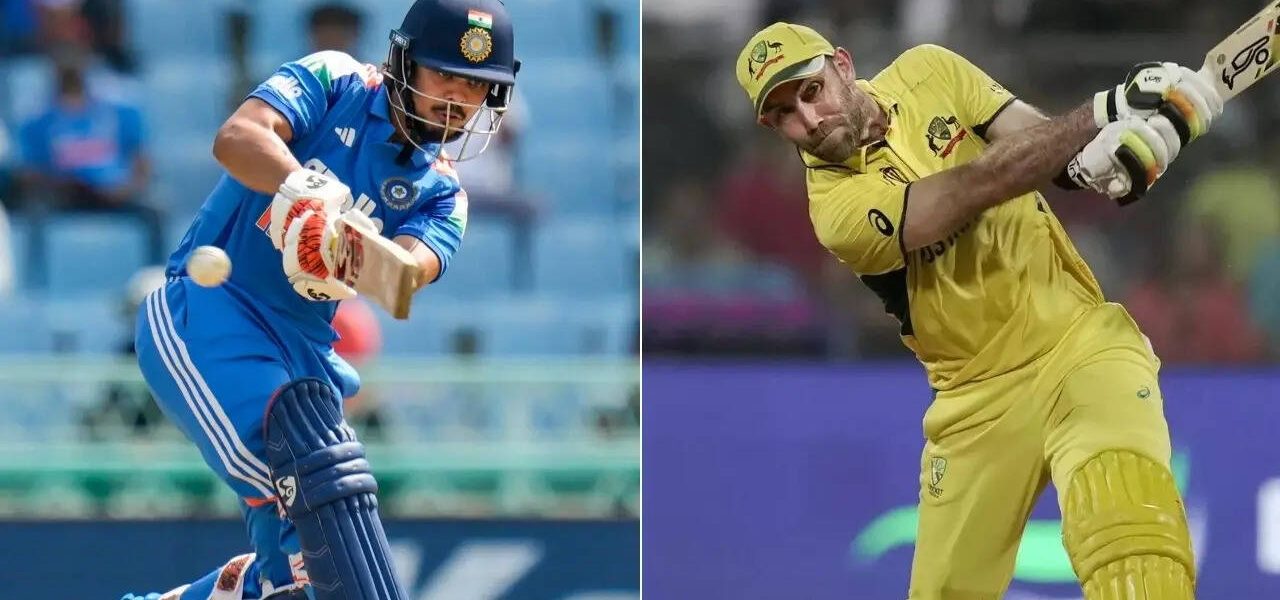
It wasn’t simply about India securing another win against Afghanistan. It was a rapid, aggressive showcase of rising individual prowess. The sort of explosive talent that shifts narratives, especially in a region as cricket-mad as South Asia. Ishan Kishan, India’s wicketkeeper-batter, absolutely smashed his way into the record books. He put up (Awaiting official quote) in just 71 balls. That’s blistering. I mean, we’re talking about outclassing some serious hitters. Kishan, this left-hander, he actually (Awaiting official quote) during the 2023 ODI World Cup at the Wankhede Stadium. That’s a big deal. He (Awaiting official quote). Think about that for a second.
This rapid-fire assault saw Kishan (Awaiting official quote). He really picked up the pace after getting his first 50. (Awaiting official quote). Not just Kishan though. Captain Shubman Gill wasn’t lagging far behind. He, too, hit a century. (Awaiting official quote). His effort made it (Awaiting official quote). Both guys, just lighting up the scoreboard.
The entire affair, really, showcased how deep the bench strength runs for India these days. Take Prince Yadav for instance. The guy got an ODI debut. And why? Because of his (Awaiting official quote) with Lucknow Super Giants in IPL 2026. This isn’t just about cricket; it’s about a sports economy that’s humming, spinning out fresh talent constantly, much like the youth sports economy elsewhere, but on a massive, subcontinent scale.
For Afghanistan, while the scoreline probably wasn’t what they’d hoped for, having their team on this stage is itself a victory of sorts. Their involvement on the global cricket circuit means something more than runs and wickets for a nation that’s been through—well, let’s just say a lot. But then, sport has this peculiar way of allowing momentary escapes, doesn’t it? A nation like Afghanistan debuting players such as Darwish Rasooli — and Bilal Sami? It signals persistence, despite the challenges that loom large far beyond the boundary ropes.
A statistical breakdown from the BCCI says it all, honestly. When you look at the sheer speed of these innings, it paints a pretty vivid picture. It ain’t just about winning, it’s about *how* they’re winning.
📄 POLICY WIRE WHITEPAPER PUBLISHED: PAKISTAN'S NATIONAL SECURITY POLICY PRIORITIES
👉 READ BY CLICKING HERE- Fastest ODI centuries vs Afghanistan (by balls faced):
- 57 – Eoin Morgan, Manchester, 2019
- 63 – Rohit Sharma, Delhi, 2023
- 71 – Ishan Kishan, Lucknow, 2026*
- 76 – Glenn Maxwell, Mumbai WS, 2023
- 77 – Shubman Gill, Lucknow, 2026*
Source: — BCCI (@BCCI).
What This Means
The quick centuries in Lucknow, beyond the immediate cricketing triumph, illustrate a couple of fascinating angles. Firstly, there’s India’s ever-growing economic heft translating directly into sporting dominance. It’s not an accident these quick scores are happening now. They’ve built an infrastructure, poured cash into leagues like the IPL, and are seeing the return on investment in the form of world-class, explosive talent. It’s a testament to how robust an economy can feed national sports — it truly shows. This cricketing prowess serves as a soft power projection, showcasing India’s capabilities and vibrancy across South Asia, reaching nations like Pakistan and Bangladesh where cricket is basically a religion.
But the story of Afghanistan here also matters, even if it’s less about on-field dominance. Their continued participation in international cricket, and their integration into global sports narratives, offers a critical non-political avenue for international engagement. It provides a unique lens into a country that’s often viewed through a narrow, geopolitical frame. It’s a lifeline for young people, giving them something to aspire to beyond conflict. And yeah, it fosters connections within the Muslim world and across South Asia—an opportunity for diplomacy and shared culture often overlooked. This sport—these centuries—aren’t just stats; they’re tiny geopolitical tremors, shifting perceptions one boundary at a time. It’s why what happens in a city like Lucknow, on a cricket field, resonates far beyond the pitch, into conversations about identity, economy, and power. Maybe it’s a small tremor. But it’s still a tremor.
And when a young batter hits 71-ball ton like Kishan did, it’s not just a record broken; it’s another brick in the edifice of a sporting powerhouse that keeps growing, shaping not only regional dynamics but global perceptions. The sheer financial scale of cricket in India also drives regional aspiration. For someone like Prince Yadav making his debut, it’s a huge economic leap for his family. That’s economic impact—real and tangible. This sort of high-stakes, high-reward performance makes the sport, — and its athletes, bigger than just a game.