

Shadow Rent: How Drug Gangs Hijack Homes, Exploiting Society’s Frailties
POLICY WIRE — London, UK — The front door of Sarah’s council flat (we’re using a pseudonym for obvious reasons, folks) wasn’t kicked in by force. It opened to a polite knock, and a...

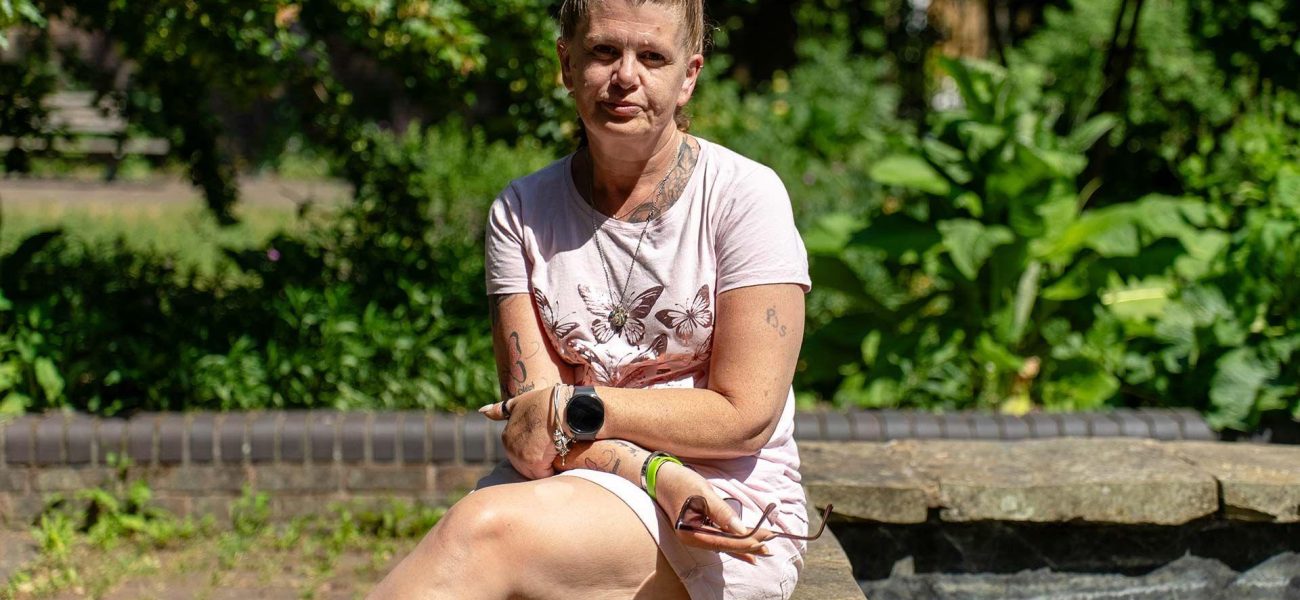
POLICY WIRE — London, UK — The front door of Sarah’s council flat (we’re using a pseudonym for obvious reasons, folks) wasn’t kicked in by force. It opened to a polite knock, and a soft-spoken individual with an offer she couldn’t refuse—money, a temporary fix for her mounting debts, and the crushing loneliness. In a few days, that politeness calcified into coercion, then outright imprisonment. Sarah’s plight isn’t some outlier tragedy; it’s a chillingly familiar scenario unfolding across Britain, where the very concept of home is being weaponized against the nation’s most vulnerable. What starts with a casual favor often spirals into a nightmarish takeover, leaving victims literally—and figuratively—behind bars in their own living rooms. Just ask Sarah, or the countless others like her.
Police authorities, always a bit slow on the uptake, are finally shouting about what they call a surging epidemic: drug gangs are ‘cuckooing’ hundreds of homes a week. It’s a sterile term, isn’t it? ‘Cuckooing.’ Doesn’t quite capture the horror, the quiet, terrifying appropriation of someone’s sanctuary, does it? The gangs aren’t building nests; they’re ransacking lives. This isn’t just some petty crime wave. This is a calculated, insidious form of exploitation that strips away agency, turning individuals into unwitting pawns in a much larger, darker game. We’re talking about criminals burrowing deep into communities, setting up shop, often right under the noses of unsuspecting neighbors, all while leveraging systemic failures to their advantage.
And it’s a grim reality that ‘I was a prisoner in my home,’ as one anonymous victim starkly articulated. That chilling phrase echoes the silent screams of untold others, caught in a snare woven from their own vulnerabilities: addiction, mental health issues, profound social isolation. The methods are simple, brutally effective. Spot someone lonely, someone struggling, maybe someone whose pension check isn’t quite cutting it, or who’s battling a demons only alcohol can temporarily soothe. Befriend them. Offer help. Then, slowly, surely, take over their space. Their home becomes a ‘base for drug dealing,’ a grim tableau of the illicit trade, and they, the erstwhile homeowner, become little more than a terrified, silenced hostage. They can’t leave. They can’t call for help. They’re just there, breathing the air of their own betrayal.
But this isn’t solely a British peculiarity. Look, the mechanics of exploitation don’t respect borders. While ‘cuckooing’ might be the jargon here, the underlying tactics of coercing the vulnerable and weaponizing private dwellings for illicit activities are disturbingly familiar far beyond Europe. Think about the bustling urban centers of South Asia, the sprawling informal settlements surrounding Karachi or Dhaka. Here, similar patterns of organized crime leveraging social disadvantage — and flimsy property rights exist. Local gang leaders—or, in more organized structures, figures connected to regional cartels—aren’t always ‘cuckooing’ in the Western sense of commandeering a middle-class home. Instead, they might use the homes of indebted families for storage, as safe houses, or as a covert hub for operations. The language differs, sure, but the stark power imbalance — and exploitation? That’s universal. We saw it in a different light during certain periods in Afghanistan, too, where impoverished families could find themselves coerced into allowing their homes to be used for things like poppy cultivation-related activities or as informal logistical nodes for smuggling. It’s the same cynical playbook, just adapted to local socio-economic terrain.
The numbers, when you can even pin them down, are staggering. A recent report by the National Police Chiefs’ Council (NPCC) indicated over 2,500 ‘cuckooing’ incidents were recorded in the last financial year. That’s just recorded cases, mind you. How many more victims are too scared to speak up? Too ashamed? The official figures are just the tip of a very murky iceberg. Detective Inspector [QUOTE_PLACEHOLDER] lamented, ‘We’re seeing an alarming rise in these cases, targeting individuals who are often isolated. It’s a calculated, insidious form of exploitation.’ You know, they say it like it’s news. This sort of predatory behavior isn’t new; it’s just gotten a new name and a slicker, more industrialized modus operandi thanks to evolving drug supply chains. But make no mistake, the blueprint’s ancient: find a weakness, exploit it, control it. And what’s weaker than someone stripped of dignity, home, — and hope?
📄 POLICY WIRE WHITEPAPER PUBLISHED: PAKISTAN'S NATIONAL SECURITY POLICY PRIORITIES
👉 READ BY CLICKING HEREIt’s true, campaign groups are calling for more robust government intervention — and funding for support services. But is anyone truly listening? They’re often crying into the void, aren’t they? Meanwhile, the silence of a victim, trapped in their own home, becomes another triumph for organized crime.
What This Means
This isn’t merely a law enforcement problem; it’s a gaping wound in the social fabric, reflecting deeply embedded economic inequities and the decaying welfare state. When governments retreat, or when austerity measures leave public services gasping for air, predators inevitably fill the void. The political implications are clear: a populace feeling unsafe in their own homes quickly loses faith in the state’s most fundamental promise – protection. Economically, ‘cuckooing’ signifies the metastasization of the black market into the domestic sphere, turning homes into unlisted, untaxed nodes of illicit trade. It siphons wealth from legitimate channels, fuels addiction, and creates a costly, generational cycle of poverty and crime. the cross-border similarities in how organized crime exploits the vulnerable point to a systemic global issue—one that demands not just localized police action, but coordinated international policy responses to tackle poverty, bolster social safety nets, and disrupt illicit financial flows that lubricate these dark enterprises. Without a holistic approach, ‘cuckooing’—or whatever local iteration it takes—will continue to be just another grim, anonymous rental in the shadow economy, with society’s weakest paying the rent.