


Fête and Fury: World Cup Opening Unveils Hidden Fault Lines, Undeclared Fronts
POLICY WIRE — Doha, Qatar — While the global sporting circus revs its engines for what promised to be a meticulously choreographed opening spectacle, a grimmer narrative was quietly unfolding beneath...

POLICY WIRE — Doha, Qatar — While the global sporting circus revs its engines for what promised to be a meticulously choreographed opening spectacle, a grimmer narrative was quietly unfolding beneath the shimmering desert canopy. It wasn’t the fanfare or the stadium lights drawing initial attention; it was something far more menacing—an echo, perhaps, of unspoken regional discontent refusing to be silenced by athletic prowess or vast petrodollars. The curated calm, it turns out, was somewhat of a performance in itself, a thin veneer over deeply etched geopolitical fissures.
Law enforcement authorities weren’t talking about ticket sales or team rosters. Their focus? The alarming discovery that 59 explosive devices had been located. That’s a lot of potential chaos, you’ve gotta admit, for an event poised to welcome the planet’s gaze. It scrambles the script, doesn’t it? Suddenly, the meticulously planned security details weren’t just for crowd control; they were about averting something far, far uglier. [QUOTE_PLACEHOLDER]
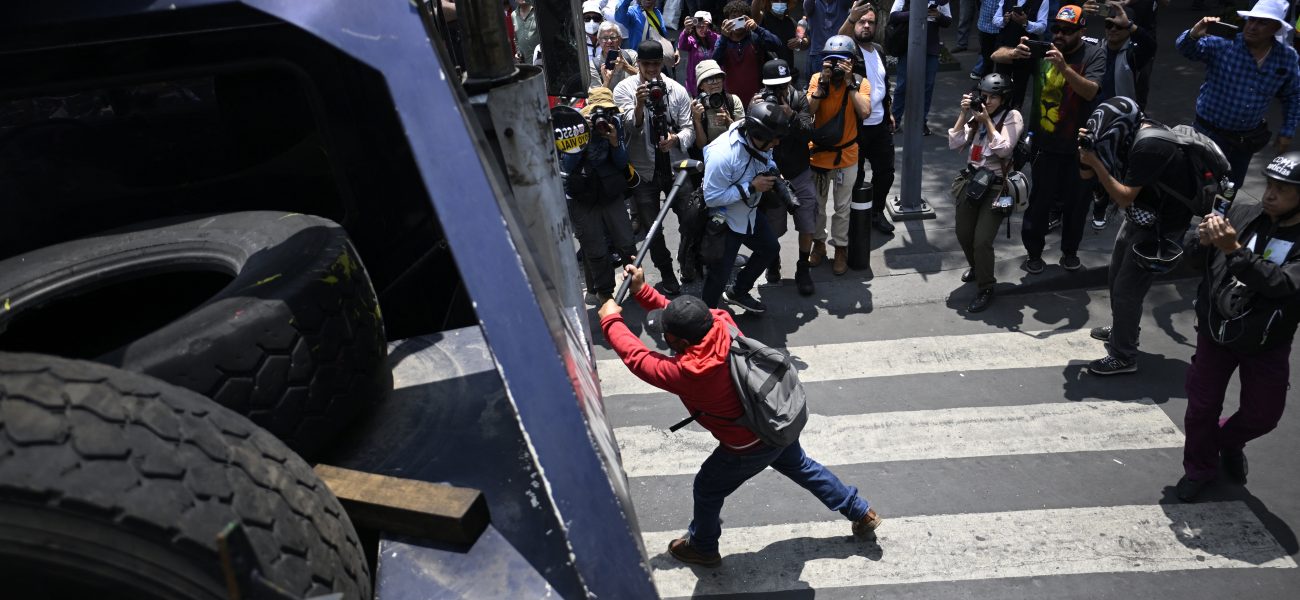
And if explosives weren’t enough to fray nerves, consider the public outcry. Protests flare before World Cup opener. But this isn’t your garden-variety fan disappointment over stadium prices. These demonstrations, though specific details remain guarded, hint at a broader, simmering disquiet—a reminder that not everyone’s on board with the narrative of progress and prestige. Some grievances, it seems, won’t be relegated to the shadows, not even by the blinding glow of international spotlight.
The host nation, alongside its regional allies, had already invested staggering sums into this tournament. We’re talking figures that boggle the mind, with Qatar alone having spent an estimated $220 billion on infrastructure related to the World Cup, according to financial data cited by Bloomberg in 2022. That’s a monumental wager, a play for soft power — and global standing. To have that undermined by such overt threats just as the first whistle approaches? It’s a bitter pill to swallow for the organizers, a public relations nightmare they surely never envisioned, despite their rigorous planning. You’d think after all that money, they’d at least get a peaceful kickoff, right?
This isn’t an isolated incident, either; it rarely is in this volatile corner of the world. Just across the Persian Gulf, and further afield in the broader Muslim world, the interplay of internal dissent, geopolitical rivalries, and the spectre of extremist elements is a daily struggle. Think about how delicate the security situation always remains in South Asia, where every major international event becomes a target, every large gathering a vulnerability. From Karachi to Kabul, the shadow of violence is a constant companion for event organizers, a stark contrast to the West’s relatively benign challenges.
📄 POLICY WIRE WHITEPAPER PUBLISHED: PAKISTAN'S NATIONAL SECURITY POLICY PRIORITIES
👉 READ BY CLICKING HEREConsider the historical echoes: the kind of coordinated effort needed to plant 59 explosive devices, whatever their intent, isn’t amateur hour. It suggests organization, resources, and a very deliberate messaging strategy designed to disrupt a high-profile target. This could range from disgruntled workers — a consistent, under-reported issue — to political opponents looking for maximum leverage, or even proxy actors seeking to embarrass or destabilize an opponent on the world stage. It’s a complicated stew of potential motivations, frankly. We’ve seen similar patterns in regions like Afghanistan, where the fragile peace is constantly tested by various groups, or even in the lingering shadow of internal conflicts within countries like Myanmar’s Grinding Conflict, where internal fissures spill over into public disruptions.
And because the sheer audacity of such an attempt on the eve of a global spectacle couldn’t be clearer, the regional intelligence services—often working in uncomfortable lockstep, or overt competition—are undoubtedly scrambling. They’re not just looking for the perpetrators. They’re searching for who bankrolled it, who facilitated it, — and what broader message was meant to be sent. But sometimes, the answers just don’t come easy.
What This Means
The discovery of explosive devices and concurrent protests ahead of a major international event sends a shiver through more than just the security apparatus. Politically, it represents a direct challenge to the authority — and stability of the host nation and its allies. It broadcasts an image of vulnerability, even fragility, to a global audience, directly undermining the massive investment in reputation that events like the World Cup are meant to foster. Economically, while direct impact might be limited if the devices were neutralized, the perception of insecurity can deter future tourism and investment—especially if you’re a luxury destination trying to woo the globe. But it also hints at an increasing boldness from non-state actors or internal opposition groups, a willingness to leverage global platforms for local grievances, often with external backing. The ripple effects here will likely touch regional diplomatic ties, with accusations—both public and whispered—of complicity or negligence. It also highlights the chronic challenge of maintaining tight security in a connected yet divided world. It’s not just a game; it’s a statement about control, power, — and dissent in the 21st century.