


Beyond the Battlefield: How Adaptive Sports Redraw the Map for Veteran Resilience
POLICY WIRE — London, UK — Forget the palace intrigue for a moment. Shelve the breathless dispatches on who’s in or out of the royal fold. Because what’s actually unfolding across the...

POLICY WIRE — London, UK — Forget the palace intrigue for a moment. Shelve the breathless dispatches on who’s in or out of the royal fold. Because what’s actually unfolding across the globe, spearheaded by a British prince who famously couldn’t stomach classroom drills, hints at something far more profound: a recalibration of national duty, mental health, and the very definition of recovery for a generation shaped by conflict.
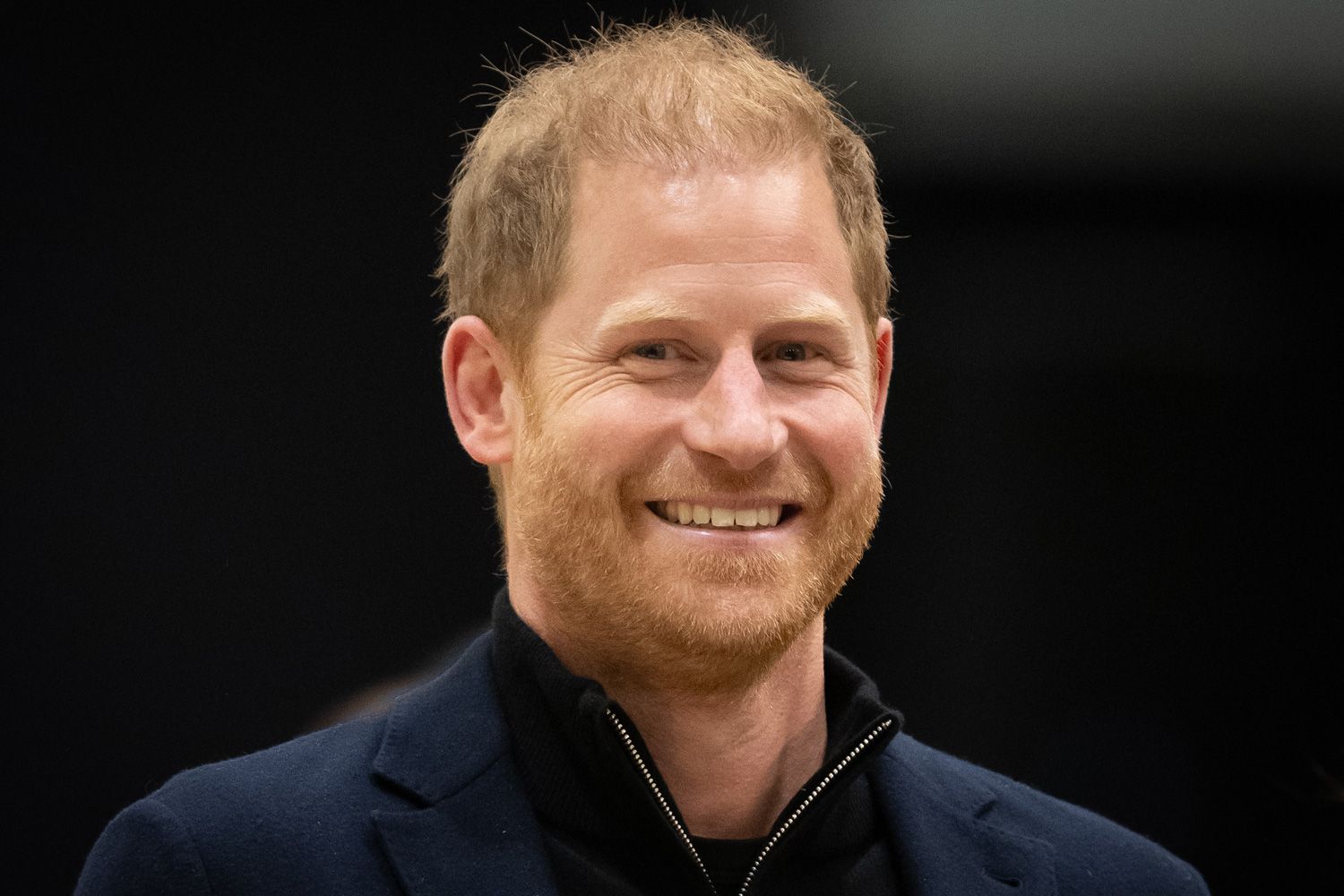
It’s not about celebrity endorsements, not really. It’s about a former soldier, Prince Harry, Duke of Sussex, recognizing a fundamental human need beyond the protocol and pomp. He saw it during the 2013 Warrior Games, an American endeavor for wounded service members, and understood—with startling clarity, apparently—that more nations needed this salve. Fast forward, and his Invictus Games, a Paralympic-style event for injured and sick service personnel and veterans, isn’t just an athletic contest; it’s a global institution. It saves lives, he’s insisted, a statement far heavier than any gilded title.
And save lives it does. According to a 2022 study by King’s Centre for Military Health Research, at least 20% of UK military veterans experience a mental health disorder in their lifetime, with similar rates seen across allied forces. It’s a silent war, fought long after the weapons are put away, and sport, it turns out, is proving to be a potent weapon in return. Harry himself, surprisingly candid, admitted to TIME that without the camaraderie and structured escape of the sports field, school would’ve been unbearable for him. That’s a duke, confessing he was ‘one of those kids’—a common sentiment, isn’t it?
But this isn’t merely about one man’s vision. It’s about how this unique intersection of royal endorsement, military rehabilitation, and athletic pursuit is shaping international discourse. Countries, including those from the broader Muslim world, have embraced the concept. Forces personnel from Afghanistan and Pakistan, nations intimately familiar with the ravages of extended conflict, have sent delegations. It offers a rare, apolitical common ground, a shared arena for healing — and mutual respect among those who’ve served.
“The Invictus Games represent an extraordinary commitment to the psychological and physical well-being of our veterans,” noted Secretary of State for Defence, Grant Shapps, speaking to Policy Wire from London. “We’ve seen firsthand the transformative power, not just on individual lives but on societal perception of our returned servicemen and women. It’s a template for what focused, compassionate policy can achieve.” He’s not wrong, you know. The impact resonates deeply.
Because the cost of neglecting veterans’ mental — and physical health? It’s not just humanitarian; it’s economic, it’s social, it’s a drain on national stability. The Birmingham 2027 Games will host 550 competitors from around 25 countries, marking a cycle back to British soil a decade after the first. It’s a testament to its staying power, perhaps its increasing necessity.
“Our servicemen have faced incredible challenges, and their courage continues long after their deployment,” commented a spokesperson for Pakistan’s Ministry of Defence, responding to queries about regional participation. “Platforms like Invictus allow them to reclaim their strength, fostering unity and showing the world the true spirit of resilience within our armed forces. It also bridges cultural divides, allowing former adversaries to share a common human experience.” A rare nod to the soft power of athletics in regions perpetually fraught with hard diplomacy.
What This Means
The endurance of the Invictus Games, buoyed by the Duke of Sussex’s unwavering — some might say almost singular — dedication, underscores a shifting global awareness regarding post-conflict recovery. Politically, it frames veteran care not as a charity but as an investment in human capital, contributing to national cohesion and international goodwill. Economically, effective rehabilitation reduces long-term healthcare burdens and re-integrates skilled individuals into the workforce, potentially mitigating the severe socio-economic impact often seen in post-conflict societies.
For nations like Pakistan, their participation signals a commitment to global standards of veteran support, subtly enhancing their international image while addressing critical domestic needs. And let’s be honest, it’s not every day a sporting event manages to stitch together disparate global interests with such palpable impact. It’s an unlikely success story, proving that sometimes, the most profound policy comes wrapped not in white papers, but in the gritty determination of athletes—men and women who just refuse to be defeated twice. It makes you think, doesn’t it, about where real power truly lies?