


The Zipper Diplomacy: Japan’s $150M Stitch in Southern India, a Whisper to Pakistan
POLICY WIRE — New Delhi, India — They call it globalization, this relentless hunt for cheaper labor, wider markets. But sometimes, it’s just about a zipper, isn’t it? One of the most...

POLICY WIRE — New Delhi, India — They call it globalization, this relentless hunt for cheaper labor, wider markets. But sometimes, it’s just about a zipper, isn’t it? One of the most ubiquitous, overlooked components in the global fashion machine, YKK—that Japanese behemoth whose initials quietly grace countless trousers and jackets worldwide—has decided southern India is the next frontier for a hefty $150 million manufacturing complex. It’s a move that’s barely a blip on the financial radar for some, a technical expansion notice for most. But don’t be fooled. It’s far more. It’s a seismic tremor, really, echoing across the geopolitically twitchy landscape of South Asia.
While one might expect headlines to shout about job creation or industrial might (they often do), the deeper story unfurls when you consider what this Japanese commitment isn’t. It isn’t headed for Bangladesh, a traditional textile powerhouse struggling with its own industrial growing pains. And it certainly isn’t bound for Pakistan, a nation grappling with an economic crisis that’s sending investors scurrying. This isn’t just about zippers, remember? It’s about a cold, hard strategic bet on a regional trajectory.
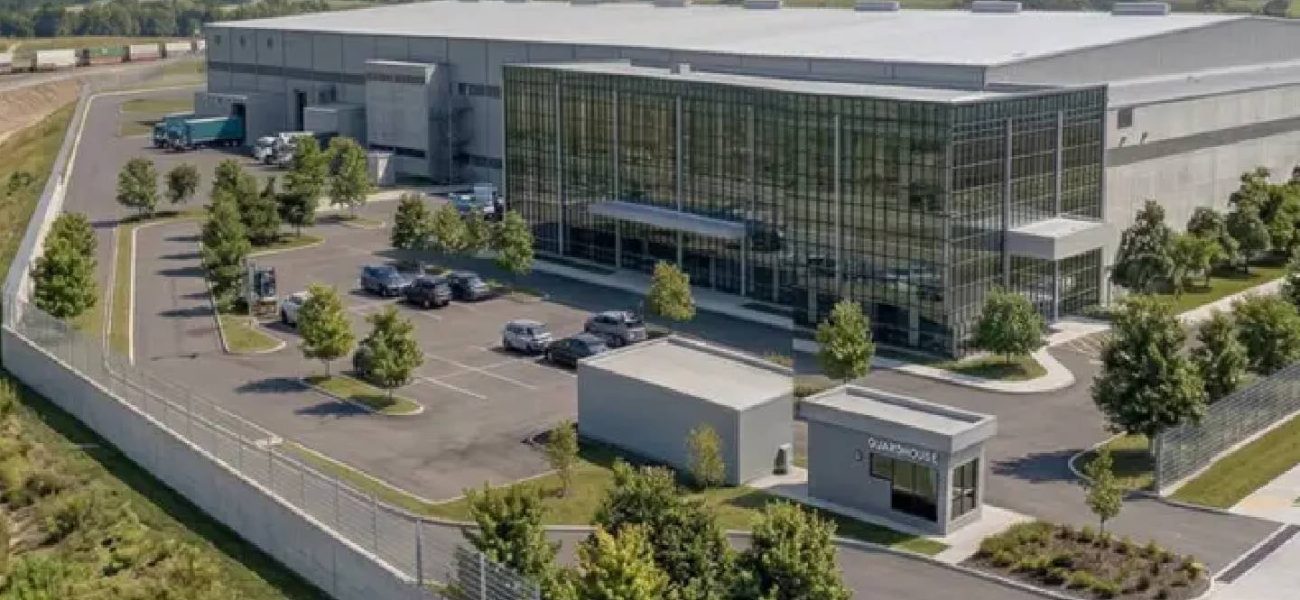
Because let’s be frank, foreign direct investment is a language of trust. It speaks volumes without uttering a word. YKK’s decision to pump ¥23 billion (around $150 million USD, if you’re keeping tabs) into the Tamil Nadu facility isn’t charity. It’s a calculated manoeuvre, a vote of confidence in India’s relative stability, its gargantuan domestic market, and its increasingly sophisticated industrial ecosystem. That plant, we’re told, isn’t just for local consumption; it’s geared for exports, projecting India as a hub for things as mundane—and yet as essential—as fasteners.
“This isn’t just about zippers,” quipped Dr. Priya Sharma, India’s Deputy Trade Secretary, during a recent briefing, her words laced with an almost mischievous grin. “It’s about the intricate stitching together of global supply chains right here on our soil. We’re offering not just a location, but a competitive edge, a burgeoning consumer base, and crucially, political stability that attracts serious, long-term capital.” She’s got a point. You can’t argue with that kind of logic, not when you’re comparing ledger sheets.
For YKK, it’s about proximity to market, certainly, but also hedging. Global manufacturers, they’ve learned a lot from recent shocks—supply chain nightmares, protectionist murmurs, all that chaos. Moving some production to India, closer to those booming Asian textile sectors and hungry consumer populations, it just makes eminent business sense. “We’re not just expanding our footprint; we’re betting on the future of South Asian consumerism and India’s burgeoning industrial capacity,” remarked Masahiro Ozaki, YKK’s Asia-Pacific Operations Director. “This region, specifically India, offers a unique blend of skilled labor and market access that’s increasingly hard to ignore.” They’ve looked around; they’ve weighed the options. And this is where they’ve landed. Pretty definitively, one might say.
And where does that leave everyone else? Particularly, Pakistan. Its neighbor’s gain is a painful reminder of its own struggle to attract comparable foreign investment. India’s FDI inflows, for context, reached an all-time high of $83.57 billion in FY 2021-22, according to UNCTAD data, starkly contrasting with Pakistan’s paltry $1.7 billion in the same period. It’s not a small difference. That’s not just a gap; it’s a chasm. When Japanese giants choose India over other regional players, it tells you where they perceive the stability, the future, and frankly, the profits.
📄 POLICY WIRE WHITEPAPER PUBLISHED: PAKISTAN'S NATIONAL SECURITY POLICY PRIORITIES
👉 READ BY CLICKING HEREIt’s all part of a Japan’s silent economic power play, extending its influence, building alliances, subtly asserting its place in a crowded Asian century. It’s smart, it’s strategic, — and it doesn’t involve flashy headlines about military exercises. It’s about capital, plain — and simple, which speaks louder than any bombast.
What This Means
The YKK investment in India isn’t just good news for sari manufacturers. Oh no, it’s much more than that. Politically, it deepens the economic ties between Japan and India, reinforcing a subtle, yet significant, bulwark against regional instability, particularly China’s economic might. It’s a statement, quiet but firm, about where reliable capital sees its long-term prospects. And let’s face it, India offers that vast, English-speaking workforce that’s coveted in this global talent scramble.
Economically, for India, it signals continued momentum in its manufacturing push. ‘Make in India’ isn’t just a catchy slogan; it’s attracting serious foreign capital, driving job creation, and fostering a supply chain ecosystem. That’s a good thing, a very good thing. For Pakistan and other developing economies in South Asia and the broader Muslim world, it’s a stark reminder that investment capital, like water, flows to the path of least resistance and greatest stability. They’re watching India’s playbook, you can bet on that, wondering what adjustments they need to make to their own game plans. Because ultimately, money talks. And sometimes, it whispers a zipper’s quiet confidence.