

Deschamps’ Double Play: Olise’s Surge & France’s World Cup Economic Stakes
POLICY WIRE — Paris, France — The cheer that went up for Michael Olise’s hat-trick against Northern Ireland this past Monday wasn’t just about football, was it? It rarely ever is. What we saw...

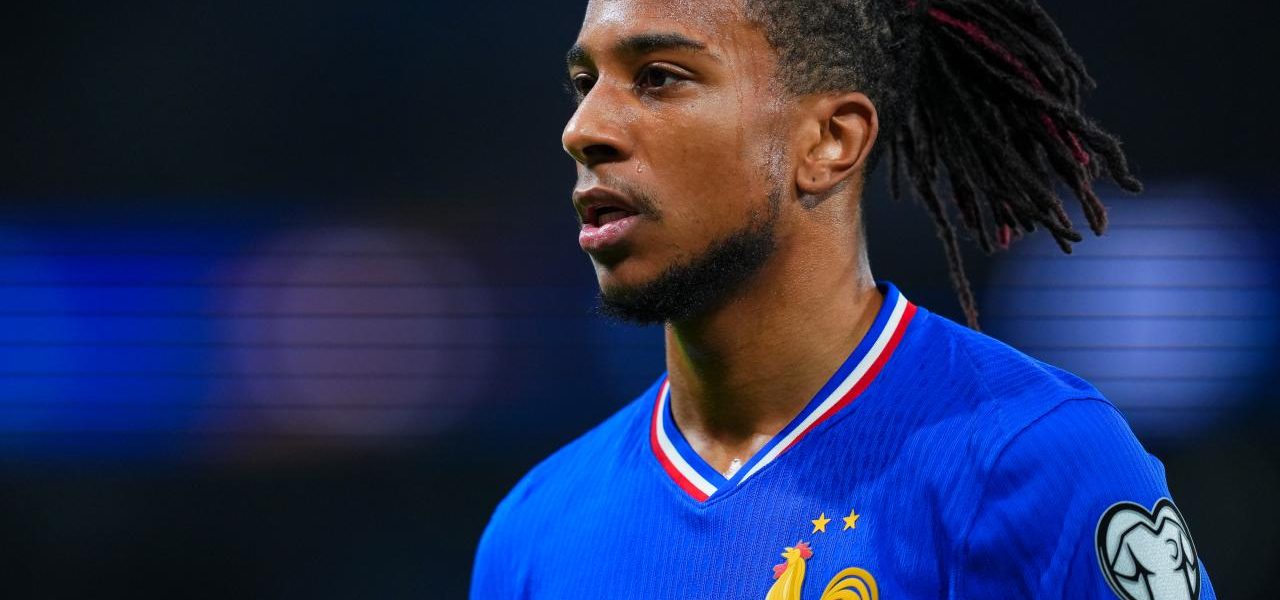
POLICY WIRE — Paris, France — The cheer that went up for Michael Olise’s hat-trick against Northern Ireland this past Monday wasn’t just about football, was it? It rarely ever is. What we saw wasn’t merely a friendly fixture’s highlight reel; it was a carefully calibrated assertion of national sporting dominance and, more subtly, a branding exercise — France flexing its economic muscles through the universal language of the beautiful game, just weeks out from the World Cup.
Didier Deschamps, France’s head coach, isn’t just picking players; he’s curating an asset portfolio, and Olise, the Bayern Munich wunderkind, looks like a blue-chip stock right now. His triple strike in the final pre-tournament run-out marked him not just as a promising talent but a commercial and diplomatic instrument for the French Republic. He’s already won the Bundesliga’s 2025/26 Player of the Season award, a stat not lost on anyone tracking market value.
And Deschamps? He played his part perfectly, with that practiced nonchalance. “We’ll need a Michel Olise at that level,” Deschamps remarked, his words echoing through the post-match buzz, almost a prophetic declaration. “Michael stands out because of the season he has had at Bayern — and with us. He has achieved some really great things, he’s full of confidence. He also has the ability to put in the effort, which is remarkable.” He wasn’t just praising; he was amplifying. He was placing a bid, telling the world that this 24-year-old isn’t just good, he’s France’s golden ticket—their next big thing, the face for sponsorships, a magnet for global eyes, all while conveniently glossing over tactical complexities.
But the real game isn’t on the pitch. It’s in the projected television audiences, the merchandise sales, the diplomatic cachet a successful World Cup campaign buys. Dr. Aamina Khan, a prominent London-based sports economy analyst, knows this playbook cold. “When a player like Olise emerges with such ferocity, he transcends mere athleticism,” she tells Policy Wire. “He becomes an international ambassador, driving brand equity for his club and, critically, for his national team. It’s an almost perfect confluence of individual talent and national interest—a soft power play that many developing nations, including those across South Asia and the Muslim world, are observing very, very closely for their own aspirational youth programs. Think about the surging interest in European football leagues in Pakistan; a player like Olise makes that narrative tangible.” Her assessment cuts to the chase, doesn’t it? Because in this globalized sporting arena, national prestige is directly tied to who performs on the world stage, and the economic ripples spread far beyond national borders.
Olise’s journey, from what some might call ‘unheralded talent’ to a European heavyweight, mirrors broader shifts in how global football operates. Clubs are scouting everywhere, literally everywhere. It’s a gold rush for raw talent, and nations like France have simply refined the mining process, turning players into veritable global commodities.
He’s tallied seven goals — and three assists in just 17 games for France; pretty good, you’d say, a solid showing. Yet, the emphasis here isn’t just on numbers, it’s on the sheer audacity of his emergence. That sort of form — explosive, undeniable — creates a ripple effect, sparking interest in betting markets, driving media narratives, and, yes, impacting global sponsorship deals. But, what does it truly mean for a team considered by many bookmakers to be an absolute frontrunner? It’s both an advantage and, perhaps, a peculiar kind of burden.
📄 POLICY WIRE WHITEPAPER PUBLISHED: PAKISTAN'S NATIONAL SECURITY POLICY PRIORITIES
👉 READ BY CLICKING HEREWhat This Means
Michael Olise’s pre-World Cup blitz signals more than just France’s sporting prowess; it highlights the increasing entanglement of sports, national identity, and geopolitics. A strong showing at the World Cup, propelled by individual stars, translates directly into enhanced national brand image, attracting investment, tourism, and even boosting domestic morale—especially when Europe’s economies are feeling a bit wobbly. For France, a repeat World Cup victory wouldn’t just be football history; it would be a strategic win, cementing its place as a cultural hegemon and an attractive commercial hub.
And this dynamic isn’t exclusive to the West. Across South Asia — and the wider Muslim world, football’s market growth is astounding. From bustling Karachi markets selling bootleg jerseys to Doha hosting the last World Cup, the sport is a massive driver of commerce and cultural exchange. Pakistan, a nation often overlooked in football discussions, nevertheless hosts legions of fans dedicated to European leagues. The global sports market, valued at approximately $488.5 billion in 2022, according to Statista, sees football as its undisputed economic engine, with player valuations and broadcasting rights skyrocketing. Success for European powerhouses, fueled by talent like Olise, only intensifies this global appetite, pushing the financial boundaries even further. It’s an affirmation that in this hyper-connected age, a football match isn’t just a game; it’s a statement, an economic engine, and sometimes, even a proxy for geopolitical ambitions. France is clearly banking on Olise to deliver all three. Its opening game against Senegal on June 16th will be scrutinized with an almost clinical intensity, not just for goals, but for what those goals will say about France’s strategic position in the global pecking order. These aren’t just games; they’re investments.
For more insights into sports and geopolitical dynamics, consider Tottenham’s high-stakes wager and its signal of a Premier League power shift, or the deeper questions of cricket’s lingering questions of justice in the Indian subcontinent.