


Parisian Power Play: Kolo Muani Saga Highlights Qatar’s Quiet European Maneuvers
POLICY WIRE — Paris, France — Another summer, another transfer window creaking open with its usual parade of astronomical figures and whispered deals. But when Paris Saint-Germain, the glittering...

POLICY WIRE — Paris, France — Another summer, another transfer window creaking open with its usual parade of astronomical figures and whispered deals. But when Paris Saint-Germain, the glittering jewel in Qatar’s considerable crown of international influence, dickers over a mere €35 million asking price for a seemingly peripheral striker, Randal Kolo Muani, it’s not just about football. It’s about quiet power, strategic asset management, and the geopolitical chess game that plays out far beyond the velvet ropes of Parc des Princes.
It’s easy to dismiss these stories as mere sports chatter—celebrity millionaire athletes chasing bigger paychecks. But you’d be missing the whole damn point. Because for outfits like PSG, bankrolled by the Qatari state, every single player, every transaction, however small, fits into a larger narrative. They’re not just building a team; they’re polishing a brand, extending a global footprint, and, sometimes,—don’t kid yourself—exerting leverage. And for a nation like Qatar, navigating the thorny geopolitical thickets of the Middle East and beyond, soft power through football is a deeply calculated play, one that resonates across vast swaths of the Muslim world, from Doha to Karachi.
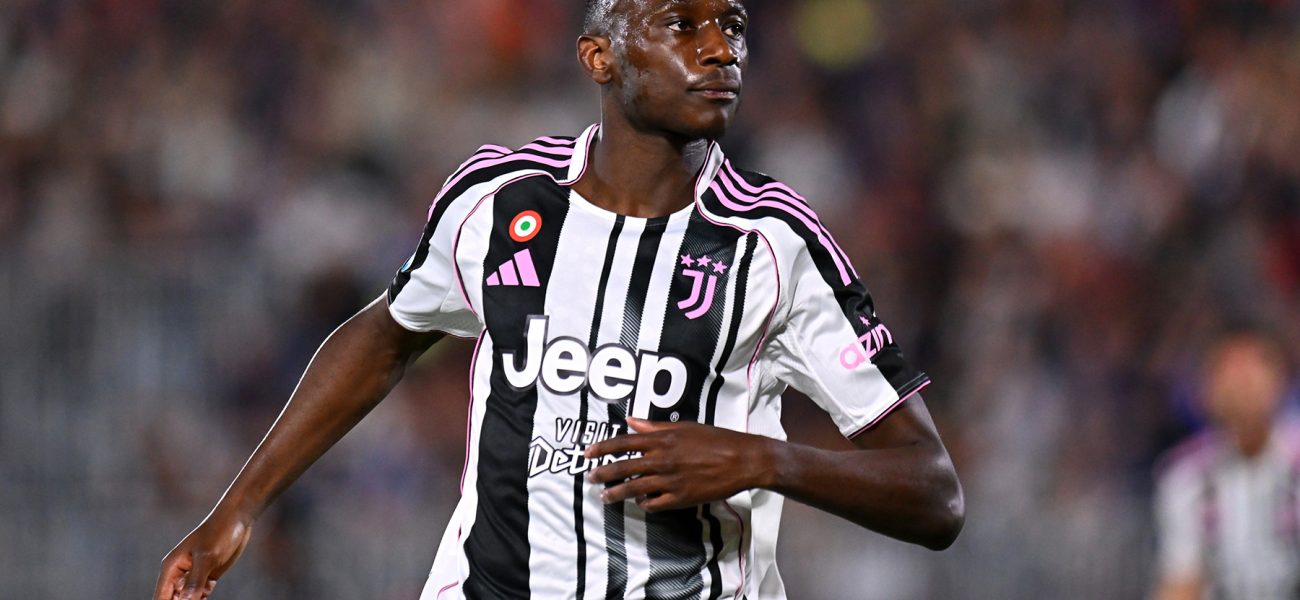
Kolo Muani, a French international currently cooling his heels somewhere between Paris and a hoped-for permanent move, finds himself in this high-stakes bazaar. He spent last season on loan, largely out of the spotlight, but the club still tags him with that €35 million price tag for Juventus. Juventus, for their part, smell blood—or at least an inflated price—and reportedly want to push it closer to €25 million plus a few million in add-ons. That’s a solid 28% difference, a pretty decent chunk of change when you’re talking about an athlete whose last full season wasn’t exactly studded with match-winning heroics. But it’s also about PSG maintaining a facade: they don’t just give players away. Not even the ones who’ve worn out their welcome, it seems.
Because, make no mistake, PSG ain’t in any rush. They’ve got money; a lot of it. The latest FIFA Global Transfer Report shows that total transfer spending hit an eye-watering €9.63 billion in 2023, so €35 million is small potatoes in that landscape, but still a sum worth fighting for. The club’s approach? Hold the line. Let Kolo Muani play somewhere else, another loan spell perhaps, then hope he tears it up — and boosts his market worth. It’s patient, ruthless, — and very characteristic of their bigger agenda. This isn’t just selling off old kit; it’s maximizing returns on an asset, even if it’s depreciating. It’s pure business, wrapped in the silks of sporting glory.
But there’s a human element too, you know? Players aren’t just commodities. A professional, even a highly-paid one, yearns for consistent play, for a place to feel wanted. And when a club dangles you in the transfer market, it’s a peculiar kind of limbo. It’s gotta be disorienting. “Every player wants certainty, to know where their future lies,” remarked Enzo Favarro, a long-time football agent with deep ties in Serie A. “This prolonged negotiation? It isn’t just numbers; it affects a player’s mindset. PSG, they understand this dynamic; they often use it to their advantage, leveraging time against impatience.”
From the Qatari perspective, these seemingly routine transactions hold more weight. Owning PSG isn’t just about winning the Champions League. It’s about building brand Qatar, diversifying beyond hydrocarbon exports, and presenting a modern, vibrant image to the world, including its immediate neighborhood and the wider Muslim diaspora. This matters, particularly when the region’s political waters are constantly roiled. The financial dealings, the negotiations, even for a player like Kolo Muani, are seen as manifestations of a nation’s ability to operate successfully on the global stage. It speaks volumes, you see?
📄 POLICY WIRE WHITEPAPER PUBLISHED: PAKISTAN'S NATIONAL SECURITY POLICY PRIORITIES
👉 READ BY CLICKING HERENasser Al-Khelaïfi, the chairman — and CEO of PSG, might put it differently. “We’re stewards of a global institution, not merely a football club,” he stated in a rare public comment on the club’s financial strategy (though not specifically on Muani). “Our players are assets, yes, but they also represent the aspirations of millions worldwide. Every decision, every negotiation, reflects our commitment to strategic growth — and upholding our sporting principles. There’s no rush when you’re building something meant to last.” A bit grand for a squad player, you might say, but that’s how they see it.
What This Means
This little transfer skirmish, as trivial as it might seem to a casual observer, actually speaks volumes about modern sports economics and international relations. The saga surrounding Randal Kolo Muani and PSG’s steadfast stance on his valuation isn’t merely about player market rates; it’s a micro-drama reflecting macro-strategies. For Juventus, an Italian institution grappling with FFP rules — and a tighter purse, every euro is hard-earned. They can’t—or won’t—just splash cash willy-nilly. This forces a shrewd, protracted negotiation, pushing PSG to genuinely justify their figures. It shows the differing fiscal realities of top-tier clubs. On one hand, you’ve got the old guard, feeling the squeeze; on the other, the state-backed entities, whose motivations transcend purely financial metrics.
And there’s that soft power angle again. Qatar’s continued investment in PSG isn’t just to make a profit. It’s to ensure a visible, glamorous presence in European cultural hubs, burnishing an image of stability and sophistication. These transfers, these price wars, these moments of public negotiation, are all part of that performance. The narrative is often watched keenly in places like Pakistan, where huge football followings view European clubs not just as entertainment, but often as symbols of global aspirations and complex power dynamics. It’s why debates over labor practices in World Cup host countries resonate so deeply, just as the opulence of PSG does. These aren’t just transfers; they’re echoes across a complex, interconnected world, where football, economics, and geopolitics are, unbelievably, forever entwined. You’ve got to watch these things, because the game isn’t always played on the pitch.