

Ceasefire Chorus Meets Artillery Crash: Ukraine’s Bleeding Frontier & Zelensky’s High Stakes Diplomatic Gambit
POLICY WIRE — Kyiv, Ukraine — The gentle drone of distant negotiation—a persistent hum for peace, we’re told—doesn’t much muffle the thunderclap of incoming artillery on Ukraine’s front...

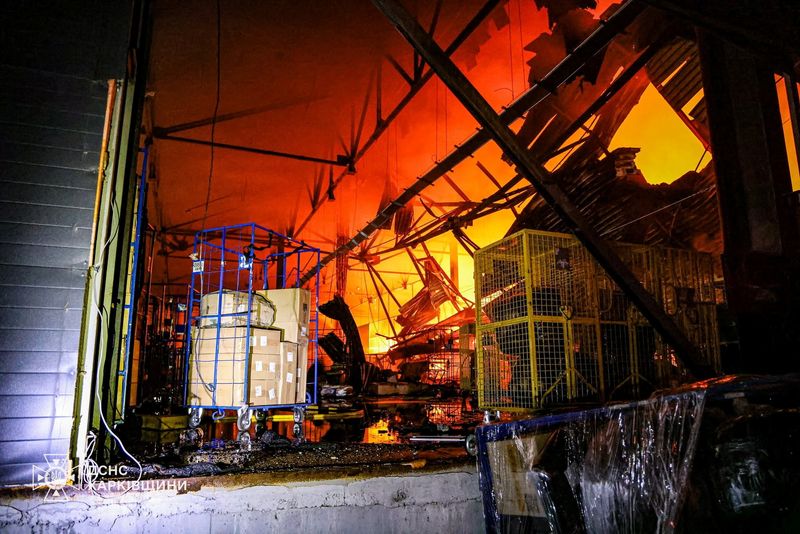
POLICY WIRE — Kyiv, Ukraine — The gentle drone of distant negotiation—a persistent hum for peace, we’re told—doesn’t much muffle the thunderclap of incoming artillery on Ukraine’s front lines. And, while world leaders chew over peace formulas in hushed tones, the grim mathematics of this war stubbornly refuse abstraction. Four lives, for instance. Snuffed out. Another grim statistic, another casualty tally in a conflict that seems perpetually stuck in a horrific loop of attack and counter-attack. It’s a brutal, in-your-face paradox that defines this fight: diplomacy plods along while the ground beneath shifts—often explosively—beneath people’s feet.
President Volodymyr Zelenskiy, perpetually in fatigues—a stark visual against the backdrop of Europe’s diplomatic salons—hasn’t stopped crisscrossing the globe, his personal campaign to solidify support for peace talks feeling like Sisyphus’s uphill struggle. He’s pushing. Hard. He wants these talks to gather momentum, to get some real traction. Because on the ground? Russia keeps lobbing its ordinance with chilling regularity. They’ve done it again, leaving a fresh trail of destruction — and heartbreak.
Ukrainian officials confirmed the deadly toll. You’ve got residential areas, civilian infrastructure—targets, or maybe collateral, depending on whose side you’re on. We’ve seen this script play out too many times, haven’t we? Hospitals, schools, marketplaces; nowhere feels truly safe anymore. But it’s not just the immediate tragedy. It’s the grinding, relentless destruction of ordinary life. What happens to families? To kids who’ve only known war? You’ve got to ask.
Because the relentless strikes, they don’t just kill; they dismantle. They rip apart the fabric of society, forcing millions to abandon everything they know. United Nations figures indicate that over 11 million Ukrainians have been displaced from their homes since February 2022, according to the latest report by the United Nations High Commissioner for Refugees (UNHCR). Think about that for a second. An entire nation uprooted. That’s a migration crisis on a scale not seen in generations—and it’s one of the starkest, most tangible consequences of Russia’s prolonged aggression. It complicates every single discussion about rebuilding, repatriation, and, most pressingly, peace.
Zelenskiy, he’s not just asking for a break in the fighting; he’s advocating for a peace plan built on international law, Ukrainian sovereignty. His team’s been pitching this tirelessly. He’s trying to build consensus among nations, a unified front that can—finally—bring enough pressure to bear on Moscow. But that’s easier said than done. The global stage is a messy place, isn’t it?
You see some key players, some unexpected allies, starting to warm to his proposals. Countries that were previously on the fence, maybe, or playing a more neutral game. It’s a slow burn, but there’s a flicker of progress, the President hopes. You can bet your bottom dollar he’s hammering that home at every turn. [QUOTE_PLACEHOLDER]. He’s gotta.
The geopolitical chessboard, meanwhile, gets more crowded. Pakistan, for instance, a significant Muslim-majority nation grappling with its own internal instabilities and external pressures, has found itself navigating a complex diplomatic tightrope. Like many developing nations, it faces the ripple effects of the Ukraine conflict, particularly regarding global food and energy prices—a cruel twist for economies already strained. But its position, alongside other South Asian and Muslim world countries, often reflects a cautious balancing act between economic necessity, historical non-alignment, and religious solidarity. The human cost in Ukraine resonates, but pragmatic statecraft frequently dictates less overt condemnations or sanctions, preferring avenues that support humanitarian aid without overtly antagonizing major powers. It’s a difficult position to hold, especially when Western pressure mounts to take a more definitive stance against Moscow. The moral clarity some demand from these nations isn’t always matched by practical, sustainable alternatives for their own populace.
So, the two realities—death on the battlefield, deals in the backrooms—they march on, side-by-side. It’s grotesque, sure, but that’s the brutal face of modern conflict, isn’t it? The diplomatic corps works overtime while morgues fill up. The headlines report casualties right next to the breakthroughs, or the hopes for them. This dynamic, this constant, almost schizophrenic flip-flopping between absolute destruction and earnest negotiation, it’s not going away soon.
It’s the sheer stamina required by Kyiv, not just militarily but diplomatically, that stands out. One might even argue it’s Kyiv’s unseen barrier, a diplomatic netting strategy as much as a physical one, that aims to redefine its modern war defense. [QUOTE_PLACEHOLDER]. It’s a long shot, but it’s the only one they’ve got.
What This Means
The latest casualties, amidst renewed calls for ceasefire talks, paint a stark picture: neither side is remotely close to blinking, not really. For Kyiv, Zelenskiy’s diplomatic push is less about immediate victory and more about securing sustained international backing—both financial and military—while Moscow tries to shatter Ukrainian morale with incessant attacks. This dual strategy is unsustainable in the long run without clearer outcomes. Economically, prolonged conflict guarantees continued global instability in energy and food markets, squeezing consumers from Cairo to Karachi. Nations like Pakistan, walking that fine line, will find their diplomatic capital stretched thin, constantly weighing their strategic alliances and economic survival against humanitarian imperatives and international norms. The implications for the Global South, often forced to navigate these power plays, aren’t about taking sides as much as surviving the fallout. Politically, the more ground Russia holds or attempts to demoralize, the harder it becomes to negotiate anything that truly looks like peace rather than merely a pause in hostilities. But Zelenskiy’s success in bringing more countries, however tentatively, into his orbit is an economic pressure point too, making Moscow’s isolation perhaps more palpable—though not necessarily persuasive—at the negotiating table. This isn’t just about Ukraine; it’s a global test of whether a sovereign nation can ever truly resist a determined, aggressive neighbor while its allies navigate their own deep economic strains and geopolitical interests.