

Hoops, Humiliation, and the End of a Streak: Madison Square Garden’s Political Spectacle
POLICY WIRE — New York City, USA — Before a single ball bounced, before any hoop was threatened, Madison Square Garden had already turned into something else entirely. It wasn’t just Game 3 of...

POLICY WIRE — New York City, USA — Before a single ball bounced, before any hoop was threatened, Madison Square Garden had already turned into something else entirely. It wasn’t just Game 3 of the NBA Finals. It was a fortress. Streets locked down between West 30th — and West 35th from Sixth to Eighth Avenue. Police Commissioner Jessica Tisch stated people in the area won’t be allowed to travel east or west, detailing security measures so rigorous they would remain in place even if the president left the game early.
You had to get there two hours early, they told you. That was the official word. Not for popcorn, but for what the Knicks team characterized as “TSA-style” screening procedures. Security fences bloomed around the venue, shutting down a scheduled outdoor watch party. Folks were warned: strict no-bag policy. It wasn’t about guarding against rogue passes or unruly fans. This was about keeping an entire city block, the beating heart of NBA action, under presidential lock — and key. And all this because a former president, Donald Trump—also the 47th president (as in, current election year and future possibility)—was coming to watch basketball. Oh, the humanity.
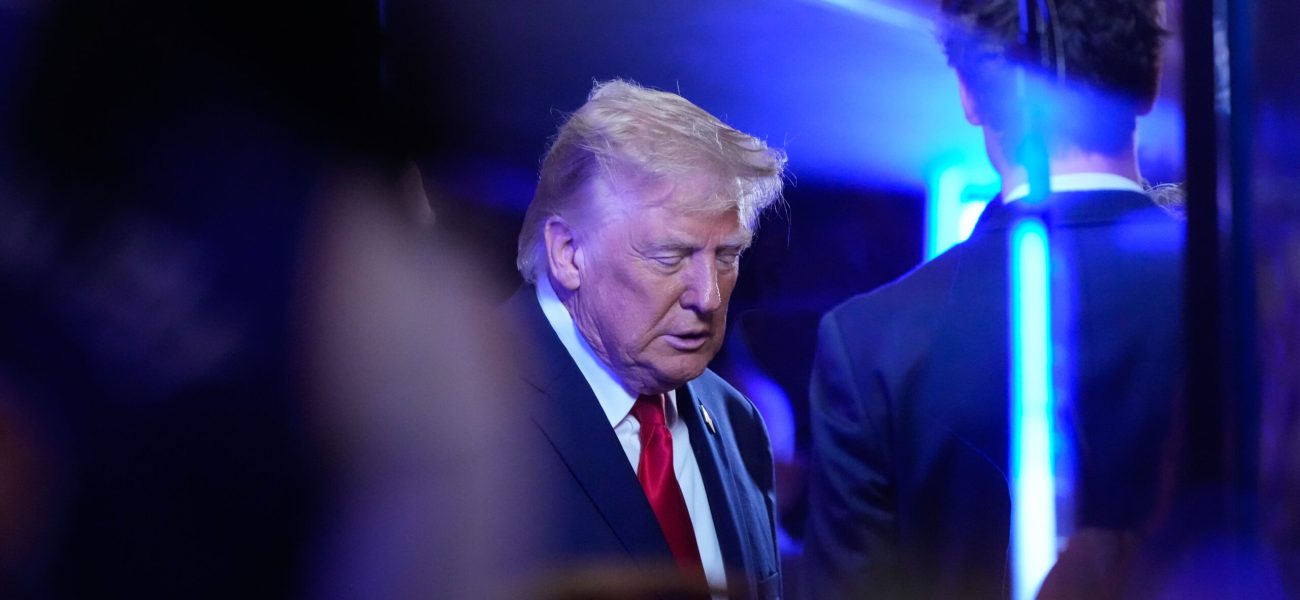
Inside, the spectacle continued, just with a different kind of noise. When the national anthem swelled, a ritualistic moment often untouched by partisanship, an eruption occurred. The 45th and 47th president was booed as few presidents had been jeered before as he stood saluting the flag from Knicks owner James Dolan’s box. A White House press pool report described the booing as “thunderous.” It was an almost operatic defiance, played out in front of millions. What a welcome.
And here’s where the sports story gets its own bitter flavor. The Knicks, mind you, were on an absolute roll. We’re talking a formidable run. They defeated the San Antonio Spurs in the first two games of the best-of-seven series in San Antonio, pushing their incredible postseason winning streak to 13 games. The team had not lost a game for 46 days. Think about that: 46 days. Nearly seven weeks. But good things, they often don’t last, especially when high-octane politics decides to crash the party.
After falling behind early, the Knicks stormed back — and took a 64-57 lead going into halftime. You had to feel for ’em; they were trying to put on a show amidst all the static. But San Antonio outscored New York by 11 in the second half — and downed the home team 115-111. Just like that, it was gone. The winning streak, the mystique, the chance for an almost insurmountable 3-0 lead. All in a single, politically charged evening.
This bizarre intermingling of national sport and political firestorm, especially in such a public, globally-broadcast setting, holds uncomfortable parallels with how political leaders’ presence can override local context in other parts of the world. Take for instance, Pakistan. In that region, high-profile visits by domestic or international political figures to cultural or sporting events often get swept into the broader current of political narratives, sometimes overshadowing the event itself and leading to unexpected public reactions—for better or worse. It’s never just about the cricket match when a former prime minister is in the VIP box; it’s about a proxy political statement.
📄 POLICY WIRE WHITEPAPER PUBLISHED: PAKISTAN'S NATIONAL SECURITY POLICY PRIORITIES
👉 READ BY CLICKING HEREThe confluence at MSG wasn’t just a sports statistic; it was a loud, visible snapshot of contemporary American division, bleeding onto the court. You can’t just put that genie back in the bottle. When leadership choices become inextricably linked to public reception, even an afternoon of basketball turns into an electoral litmus test. According to statistics compiled by the American National Election Studies, public approval ratings for sitting presidents attending sporting events rarely fluctuate based purely on the home team’s performance, but are instead heavily influenced by existing political leanings of the audience. The whole scene at Madison Square Garden on Monday, it really drives that point home, doesn’t it?
What This Means
This incident is less about basketball and more about the ongoing, uneasy marriage between politics and public life in America. The very idea that a major sporting event needs military-grade security for one individual’s presence highlights how deeply entrenched political polarization has become. It’s not just policy debates anymore; it’s permeated pop culture, sports, even the basic enjoyment of a game.
Economically, the logistical nightmare of street closures, enhanced screenings, and a cancelled public viewing party represents a significant cost—not just in policing resources, but in lost revenue for local businesses and disrupted commuter schedules. This isn’t just about security theater; it’s about the tangible financial and social burden imposed by a hyper-politicized environment, where the personal security requirements of political figures impact hundreds of thousands of ordinary citizens.
Politically, the ‘thunderous’ booing signals an uncompromising public sentiment that doesn’t respect traditional boundaries of civility, particularly in a perceived non-political space. For any politician, this suggests that appearances are no longer simple PR opportunities. They’re flashpoints, opportunities for the public to voice discontent, making ‘soft power’ engagements fraught with risk. It tells you a lot about the country’s mood—a deeply divided one that doesn’t mind showing its cards, even if it means ruining a good game. And it begs the question: are there any truly neutral public spaces left?