


The Silent Architect: How Stuttgart’s Unsung Catalyst Redefined Expectations and Bottom Lines
POLICY WIRE — Berlin, Germany — The polite applause of Germany’s Bundesliga often belies the ferocious economic currents that flow just beneath its meticulously manicured pitches. Sure, fans clamor...

POLICY WIRE — Berlin, Germany — The polite applause of Germany’s Bundesliga often belies the ferocious economic currents that flow just beneath its meticulously manicured pitches. Sure, fans clamor for goals and glory. But for club accountants and the suits in the DFB’s polished corridors, it’s all about cold, hard cash, which, this past season, was delivered in spades by the improbable resurgence of VfB Stuttgart.
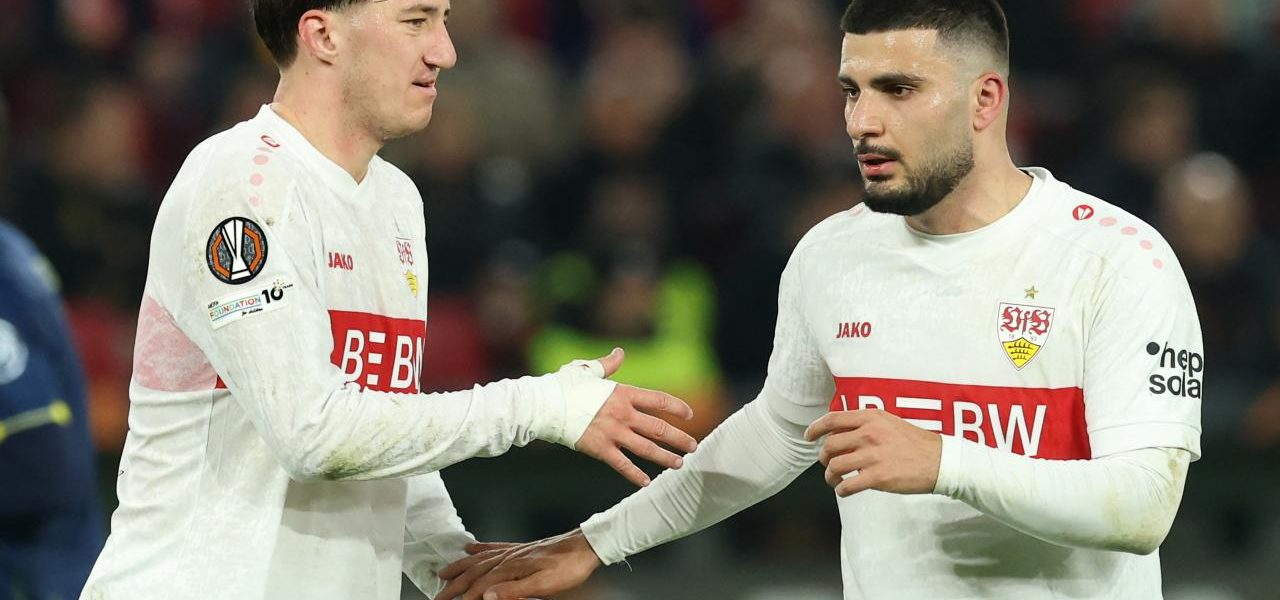
It wasn’t the star-studded Bayern Munich dominating headlines again—not entirely, anyway. Instead, a rather unassuming forward, Deniz Undav, found himself squarely in the spotlight’s glare. His season, by all accounts, was an explosion of unexpected brilliance, proving that even in a league obsessed with pedigrees and predictable outcomes, an outlier can—and sometimes does—change the whole darn narrative. Stuttgart wasn’t just good; they were audacious. And much of that had to do with Undav’s boot.
Just how much? Well, he bagged a career-best 19 goals in the Bundesliga campaign, a tally bettered only by one Robert Lewandowski, or perhaps, Harry Kane if you’re asking for this season, depending on who’s counting, leaving him just seven behind the Tottenham legend turned Bayern marksman if you, y’know, conveniently exclude penalties Undav didn’t even take. And for that effort, Bulinews scribes crowned him their Player of the Season, an overwhelming eight out of ten votes going his way. The same Bulinews writers who gave him zero votes just a year prior. Poetic, isn’t it?
His story reads like a sporting underdog flick: starting slow, battling a knee injury, then igniting in a flurry of goals. He didn’t just score; he scored crucial goals. Remember that hat-trick against Dortmund at home? All three came after the halftime break, including a 91st-minute equalizer. That’s grit. That’s making things happen when they really oughtn’t.
But there’s a bigger game at play here than just individual accolades. Stuttgart’s dramatic sprint to fourth place didn’t just mean bragging rights. It meant punching a ticket straight into the UEFA Champions League, the most lucrative club competition on the planet. This isn’t just about football anymore; it’s about a financial windfall that could fundamentally reshape the club’s future.
“Such performances aren’t just a thrill for the fans; they’re an economic accelerant for German football as a whole,” observed Philipp Müller, a spokesperson for the German Football Association (DFB). “When our clubs compete at the highest European level, it elevates the Bundesliga’s brand, attracting investment and, frankly, pride. We’re seeing fresh talent emerge, and it strengthens the national team’s pipeline—even the country’s global image, honestly.”
The numbers don’t lie. This surge in value isn’t theoretical; a recent analysis by the esteemed financial publication *Kicker* projected that UEFA Champions League qualification alone can inject upwards of €50 million into a club’s coffers, depending on performance — a sum that fundamentally redefines a team’s financial trajectory. It’s revenue from broadcast rights, matchday earnings, sponsorships, — and merchandise, which all start pouring in. Stuttgart went from fighting relegation a couple of seasons back to this; it’s a dramatic turn.
And then there’s the other aspect: the expanding global footprint. The Bundesliga, like other top-tier European leagues, increasingly understands its audience stretches far beyond Bavarian beer halls. In Karachi, Dhaka, and even bustling Istanbul cafes, jerseys emblazoned with German club crests are becoming commonplace, connecting diverse communities through a shared passion for the beautiful game. Undav, with his Turkish heritage, perhaps isn’t lost on this new global fan base, even as he wears the German national colors.
📄 POLICY WIRE WHITEPAPER PUBLISHED: PAKISTAN'S NATIONAL SECURITY POLICY PRIORITIES
👉 READ BY CLICKING HERE“European football, especially its most successful outfits, is a powerful tool of cultural diplomacy,” noted Dr. Lena Schmidt, a research fellow at the Berlin Centre for Foreign Policy, speaking in a private capacity. “It sells Germany. It sparks conversations. The allure of these brands extends across continents, reaching into homes in the Middle East and South Asia, fostering connections that pure politics sometimes struggles to forge. We shouldn’t undervalue the subtle economic and political ripple effects of a thriving sports league.” She’s got a point. What might seem like a mere sport is truly an engine.
Undav wasn’t the only unsung hero; Julian Nagelsmann also tapped Angelo Stiller for the national squad. Stiller, a central midfielder who played in nearly every single Bundesliga game, captured the remaining two votes. It proves that consistency, even quiet consistency, isn’t lost on everyone. He’s been quietly pulling strings for Stuttgart, season after season, only now gaining proper recognition. These kinds of breakthroughs—from unexpected quarters—they’re what keep the entire enterprise fresh and, well, profitable. It’s never just about the goal scorers. Never.
What This Means
Stuttgart’s unexpected success, spearheaded by Undav, signals more than just a good season; it’s a bellwether for shifts within top-tier European football. Firstly, it underscores the intense financial imperative of Champions League qualification. For a club like Stuttgart, the prize money and heightened exposure are nothing short of transformative, offering the means to retain talent, upgrade infrastructure, and reduce reliance on player sales.
Secondly, it highlights the increasingly complex talent identification landscape. Teams can no longer afford to ignore talent emerging from unconventional pathways or having late-career breakouts. Because that’s where the value is. Thirdly, the broader implications stretch to national identity — and soft power. German clubs excelling internationally reinforce a positive national image and cultural influence, particularly important in markets beyond Europe.
This success story will echo for years, not just in Stuttgart, but in every boardroom planning global expansion strategies. It proves you don’t need the deepest pockets to make a massive splash; you just need to unearth the right catalyst. And this season, Stuttgart found theirs.