

Behind the Lens: How Premier League Clubs Package Ecstasy for Global Consumption
POLICY WIRE — London, UK — Forget the goalmouth scrambles or the last-minute heroics on the pitch. The real game these days, it seems, is played in the editing suite, beamed to screens stretching...

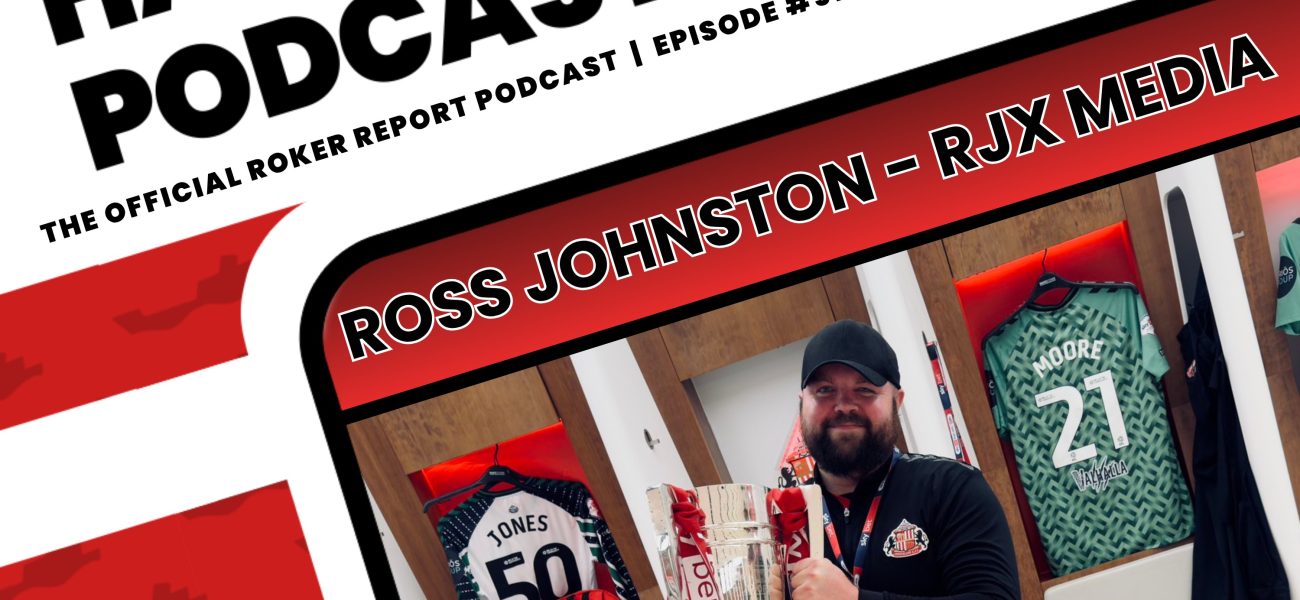
POLICY WIRE — London, UK — Forget the goalmouth scrambles or the last-minute heroics on the pitch. The real game these days, it seems, is played in the editing suite, beamed to screens stretching from Tyneside to Lahore. A recent podcast, innocuously titled “Haway The Podcast | CHIT-CHAT,” offered what it promised: an insider’s look with photographer Ross Johnston at a Premier League club’s triumphant season, the very stories behind those indelible images. But peel back the celebratory veneer, and you find a meticulously engineered reality, a narrative carefully constructed to leverage fleeting emotion into lasting brand loyalty and, frankly, hard cash.
Clubs, particularly those tasting the top flight after years in the wilderness—like the unnamed team in question, but let’s be real, we’re talking about Sunderland AFC’s promotion run and subsequent Premier League campaigns, given the ‘Roker Report’ tie-in—aren’t just selling sport anymore. They’re selling identity, ambition, — and the sheer, unadulterated drama of winning (and occasionally, losing). And they’re doing it with photographers like Johnston, known as RJX Media, who aren’t merely snapping pictures; they’re curating moments, sculpting myths. They’re making sure you feel it, deep in your gut, whether you’re celebrating with a pint in a Durham pub or a chai in Karachi.
But how easy is it, really, to capture the ‘chaos’ of a Premier League season? Johnston’s narrative paints a picture of organic, raw emotion, of candid shots taken amidst the euphoria of an opening day or the sheer relief after a win against a bitter rival (‘the mags’). What’s left unsaid, of course, is the intense strategic push behind every lens cap click, every frame selected for public consumption. This isn’t documentary filmmaking; it’s propaganda, beautifully packaged, designed to ignite and sustain a fan base hungry for vicarious success. And let’s not pretend it isn’t.
“We’ve seen the sheer emotional and economic uplift a successful football club can bring to our region,” remarked Councilor Sarah Thompson, Leader of Sunderland City Council, speaking to Policy Wire this week. “The club isn’t just a team; it’s a global ambassador, generating excitement — and drawing eyes to our community. Those powerful images? They’re part of a shared, commercial language.” It’s a polite way of saying the images sell more than just merchandise; they sell a whole city, an entire brand narrative that reaches well beyond regional boundaries.
The transition to the Premier League, with its vastly augmented television revenue and global spotlight, forces this media machinery into overdrive. It’s no longer about a few local rags; it’s about international broadcast deals — and social media dominance. You see, the reach of these ‘iconic moments’ now stretches geographically far — and wide. Just consider: the Premier League, by 2023, reported a cumulative global viewership of approximately 4.7 billion across all competitions, a number that’s particularly robust in emerging markets like South Asia. So when Ross Johnston’s ‘chaotic’ final-day photos hit the feeds, they weren’t just for folks on Wearside.
They were for expatriates yearning for a slice of home, for a new generation of fans in Islamabad and Mumbai who live and breathe English football with the same intensity as any Geordie or Mackem. Because when a club ascendant uses its media arm to create these glossy, high-definition memories, it’s constructing a form of cultural soft power that rivals diplomatic efforts. It builds community, yes, but also markets it, monetizes it, — and sends its carefully cultivated brand across oceans.
📄 POLICY WIRE WHITEPAPER PUBLISHED: PAKISTAN'S NATIONAL SECURITY POLICY PRIORITIES
👉 READ BY CLICKING HEREProfessor Tariq Aziz, a specialist in Media and Cultural Studies at the University of Westminster, offered a sharp take: “The narrative of the ‘insider story’ of photographs often masks a deeply professionalized operation. These aren’t accidental captures of joy; they’re tactical assets. We’re talking about a multi-billion-dollar industry selling dreams, and the imagery is the dream’s currency.” He’s got a point. What looks like candid access is often a controlled flow of information, designed to maintain enthusiasm and — crucially — purchases.
What This Means
This careful cultivation of image and narrative by football clubs illustrates a broader shift in how major entities—be they sports franchises, corporations, or even political movements—engage with their public. The ‘story behind the photos’ isn’t just fan service; it’s sophisticated content marketing. For regions like South Asia, where Premier League allegiance is incredibly strong, this engineered nostalgia and hero-worship translates directly into viewership numbers, merchandise sales, and even tourism. It’s a symbiotic relationship: fans crave authenticity, and clubs deliver a hyper-curated version of it, keeping the global football economy humming.
And it’s a testament to the fact that in the age of omnipresent media, every significant cultural touchstone—even a celebrated football season—becomes fodder for a larger economic and, yes, political narrative. The emotion generated by a last-gasp equalizer or a promotion play-off victory isn’t simply experienced; it’s packaged, promoted, and ultimately, sold. This kind of influence isn’t limited to just soccer. Consider the subtle power of other global sporting phenomena, like cricket, especially in its Indian and Pakistani heartlands, where national pride and media spectacle intersect to form an irresistible force. The game isn’t merely played on the field; it’s woven into the very fabric of identity, marketed relentlessly, and consumed globally.