


When Silence Speaks: Israel’s Retort and the Region’s Anxious Breath
POLICY WIRE — Tel Aviv/Tehran — The morning sky over parts of Iran briefly flickered with unconfirmed reports of explosions, followed by a telling quiet from official channels. No grand...

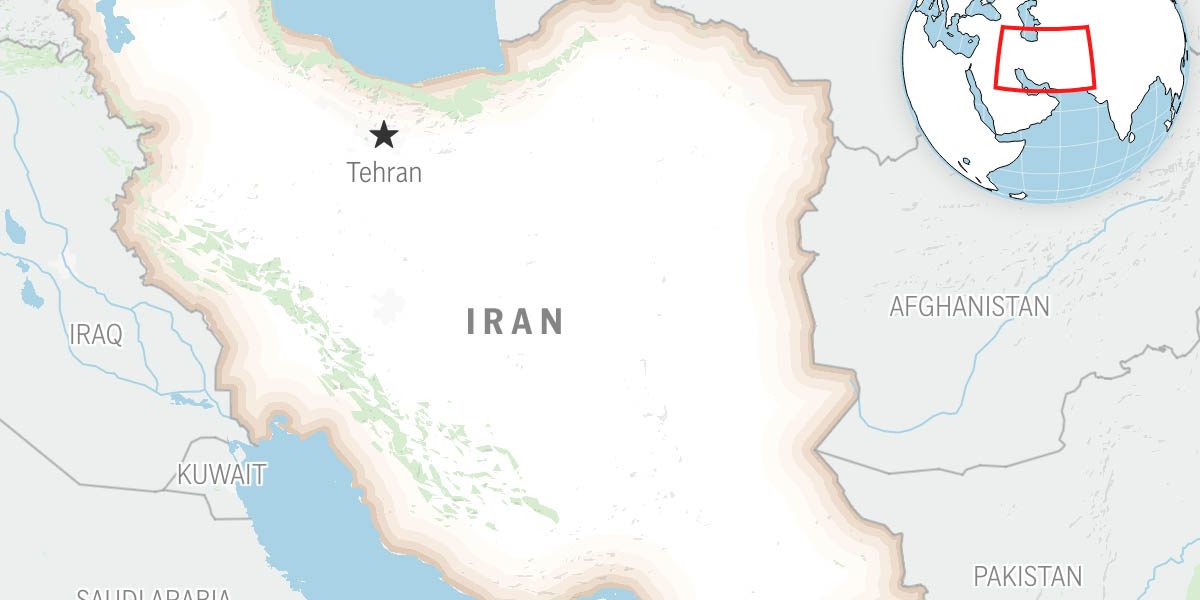
POLICY WIRE — Tel Aviv/Tehran — The morning sky over parts of Iran briefly flickered with unconfirmed reports of explosions, followed by a telling quiet from official channels. No grand pronouncements, no dramatic declarations of triumph or devastation from either side — just a tight-lipped response to what Israel suggested was a retaliatory strike. It’s a classic Middle Eastern waltz, you see, where measured acts of force often speak louder than any bluster, carefully dancing on the edge of all-out confrontation but never quite falling in.
Hours after Iranian state media downplayed the incident, reporting mostly intercepted drones and no significant damage near Isfahan, the message was clear: Israel had responded to Iran’s unprecedented missile and drone barrage. But the muted nature of the response, and indeed, Iran’s almost theatrical effort to brush it aside, suggests a fragile, mutual willingness to pull back from the abyss. For now. This isn’t peace; it’s a pause in an increasingly violent quarrel.
Israeli Prime Minister Benjamin Netanyahu’s office offered no immediate public comment, a strategic silence intended to send a clear message without overtly igniting more fireworks. But sources close to the government indicated a calculated message had been delivered. “We’ve made it clear: any aggression against our people or our land will be met with decisive force,” one senior Israeli official, speaking anonymously due to the sensitivity of the operation, conveyed to Policy Wire. “This wasn’t about grandeur; it’s about safeguarding our existence, a promise we always keep.”
And Iran, true to form, responded with similar bravado — and understatement. “The Zionist entity’s desperate acts amount to child’s play,” Brigadier General Ramezan Sharif, a spokesperson for Iran’s Islamic Revolutionary Guard Corps (IRGC), was quoted saying. “Our air defenses intercepted most, — and what little reached its target caused no disruption. Their futile attempts only fortify our resolve.” Such pronouncements, of course, are designed less for factual reporting and more for domestic consumption and maintaining the appearance of strength.
Because, beneath the veneer of denial, the global financial markets reacted with predictable jitters. Brent crude futures, a key indicator for a world deeply reliant on oil flows from the Middle East, briefly jumped by as much as 3% in early Friday trade, according to Reuters data, before pulling back as de-escalation signals started trickling out. That’s how delicate the global economy is—one whiff of trouble near the Strait of Hormuz, and prices dance.
But the real long-term game plays out beyond just crude. This tit-for-tat escalation, despite its latest ‘low-key’ iteration, raises eyebrows across the broader Muslim world, particularly in countries like Pakistan. Heavily invested in regional stability for its own economic future, and already grappling with its own internal security challenges, Islamabad watches these exchanges with deep unease. Instability in the Persian Gulf reverberates, you know, impacting trade routes, energy prices, and the morale of millions of expatriate workers whose remittances are bread-and-butter for their home countries. Many in Lahore and Karachi view this constant brinkmanship not as a distant problem but a direct threat to their household budgets.
📄 POLICY WIRE WHITEPAPER PUBLISHED: PAKISTAN'S NATIONAL SECURITY POLICY PRIORITIES
👉 READ BY CLICKING HEREThe Biden administration, scrambling to prevent a regional war, continued its frenetic diplomatic push, urging restraint from both sides. America’s ability to influence events, though, often feels like trying to stop a charging bull with a strongly worded letter. You can almost hear the sighs of exasperation from Foggy Bottom as carefully laid plans get thrown into chaos by geopolitical whims. After all, when regional orders crumble, it usually impacts the global equilibrium — not unlike how college baseball upsets can echo broader geopolitical tremors. It’s all connected.
This episode, rather than signifying an end to anything, is more likely a grim prelude. Each side has shown its hand, but not all of its cards. What happens next? That depends on a million factors, from internal politics in both capitals to the subtle, almost imperceptible shifts in international leverage. It’s a truly complex theater, often with tragic implications. One misstep, one miscalculation, could unleash chaos.
What This Means
The current non-escalation escalation represents a temporary win for those seeking to avoid a full-blown regional conflict, particularly the United States. But make no mistake: it’s a fragile détente, built on the mutual desire to avoid utter destruction, not on any genuine softening of animosity. Politically, Prime Minister Netanyahu has reaffirmed Israel’s deterrent capability to his domestic audience, something many had questioned after previous events. For Iran’s clerical leadership, downplaying the attack serves to maintain internal confidence and portray resilience in the face of what they call ‘Zionist aggression’ while sidestepping a more dangerous retaliation.
Economically, markets might sigh with relief today, but the underlying volatility remains, perpetually poised to erupt. Insurance premiums for shipping in the Gulf region will likely stay elevated, impacting global supply chains. For Pakistan and other South Asian nations, this constant tension means continued uncertainty for energy prices and trade, with potential for widespread economic disruption. The implicit message here is that both sides possess the capability and the will to strike each other, but for now, they prefer a shadowboxing match over an all-out brawl. But shadows, as we know, can sometimes conceal very sharp blades.