

Dutch Tactician Spurns London Club: Football’s Power Plays Extend Beyond the Pitch
POLICY WIRE — London, UK — The digital whispers and ink-stained reports painted a predictable picture: Premier League clubs, desperate for stability or a fresh spark, casting wide nets for managerial...

POLICY WIRE — London, UK — The digital whispers and ink-stained reports painted a predictable picture: Premier League clubs, desperate for stability or a fresh spark, casting wide nets for managerial talent. So when Fulham, freshly vacated by Marco Silva, came calling for Arne Slot—a coach just disentangling himself from Liverpool’s labyrinthine expectations—everyone just assumed it was a done deal. He’d barely unpacked his bags, wouldn’t he just slip into another top-flight gig? Not a chance, it turns out.
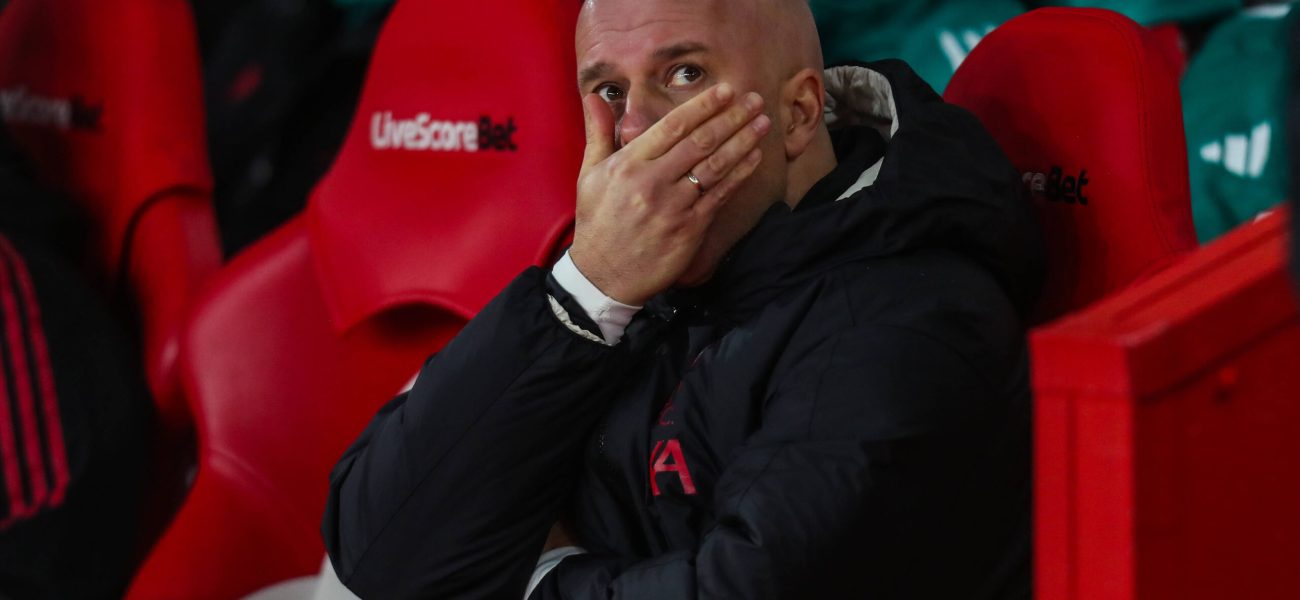
Slot, the architect of Liverpool’s fleeting title glory before an anticlimactic second season, delivered a crisp ‘no thanks’ to Craven Cottage’s offer. It wasn’t merely a rejection; it was a firm hand held up to the whirlwind, a subtle recalibration of ambition in a sport where frantic motion often eclipses thoughtful strategy. This isn’t just about a football manager saying no to a club; it’s about a man exercising a kind of sovereign power over his own career in an industry infamous for chewing up and spitting out its leading figures with astonishing regularity.
Because, let’s be honest, we’re accustomed to seeing managers leap from one hot seat to another, their futures dictated by the ebb and flow of relegation battles and transfer window dramas. But Slot’s stance, emerging so soon after his Liverpool exit, hints at a deeper, more calculated game unfolding behind the glitzy headlines. It’s a game where reputation, lifestyle, and even national pride increasingly trump the lure of another lucrative, yet potentially short-lived, contract.
“He isn’t just about trophies now; he’s thinking legacy, about the broader narrative of Dutch football, you know?” offered Ronald de Boer, the former Dutch international, speaking exclusively to Policy Wire. “It’s not just chasing a club paycheck anymore; it’s about influencing the national style, perhaps for a national team role. That carries a different kind of weight, a different kind of pride.” That assessment offers a window into the nuanced calculus facing Europe’s elite tacticians.
Fulham, understandably, found itself a bit flat-footed. They’d envisioned Slot as the perfect man to maintain their steady progress, maybe even push for a spot further up the league’s crowded mid-table. After all, he’d already delivered a Premier League title, even if it was just a single season of triumph. But he wasn’t playing their game. His record at Liverpool was decent enough – 66 wins from 113 matches, according to league statistics – yet that sour second season clearly lingered. That kind of experience makes one think twice.
And think twice he did. Speculation has naturally swirled towards an international role, specifically with the Dutch national team should Ronald Koeman depart post-World Cup. This potential shift highlights a growing trend where top managers, exhausted by the relentless demands of club football and its daily grind, eye the comparatively serene (though still high-pressure) pastures of national team management. It’s less about the transfer sagas — and more about the biennial global showpieces. Less chaos, more curated impact. That’s a powerful draw.
📄 POLICY WIRE WHITEPAPER PUBLISHED: PAKISTAN'S NATIONAL SECURITY POLICY PRIORITIES
👉 READ BY CLICKING HEREThis saga, though ostensibly about one man and his career choice, casts a revealing light on the economics of global football. Clubs aren’t merely competing for talent on the pitch; they’re locked in an increasingly frenzied arms race for the minds guiding those players. “Clubs aren’t just signing coaches; they’re investing in a brand, a philosophy, something tangible for the global market,” a veteran Premier League chairman, who asked not to be named given the sensitivities of manager searches, confided. “And let me tell you, that decision-making process? It’s often as much about boardroom politics as it’s about tactics on the pitch.” It’s a multi-billion-dollar enterprise, after all. Last season alone, Premier League clubs generated a staggering £5.9 billion in revenue, dwarfing all other leagues, according to Deloitte’s Annual Review of Football Finance. That’s an insane amount of money swirling around, — and every appointment is scrutinized through that lens.
From the bustling streets of Lahore to the tranquil villages of the Punjab, fans across Pakistan — a nation with an insatiable, growing appetite for Premier League football — follow these managerial carousel antics just as keenly. These coaching decisions, whether it’s Slot’s refusal or Fulham’s ongoing hunt, don’t just shape domestic leagues; they resonate with millions globally, impacting the brand allure of clubs whose merchandise is as common in Karachi bazaars as it’s in London fan shops. The game’s truly global now, — and its economic tendrils stretch far wider than most would guess. The economic canvas of European football elites isn’t confined to the continent; it’s painted across the world.
What This Means
Arne Slot’s considered refusal isn’t an isolated incident; it’s a symptom of a maturing football management market. Coaches, particularly those with a recent top-tier title to their name, now wield significant leverage. They’re no longer desperate for the first offer; they’re discerning, often prioritizing long-term vision, perceived project quality, or even specific national aspirations over immediate club employment. This shift forces clubs like Fulham into even tougher recruiting cycles, escalating salary demands, and lengthening negotiation times, effectively commoditizing scarcity at the highest echelons of the sport.
Politically, this professional autonomy can subtly reshape power dynamics within national federations too. If a popular figure like Slot holds out for a national team job, it puts implicit pressure on current incumbents and governing bodies. It can also be seen as a strategic move to clean his slate, remove any lingering negativity from Liverpool, and choose an environment that offers more creative control and less of the brutal, relentless media scrutiny of club football. This isn’t just about winning games anymore. It’s a complex dance between personal brand management, strategic career navigation, and the immense financial gravitational pull of the world’s most watched sport.