


Whistle Blown, Temper Flared: Washington Coach Ejection Reignites Debate on Sideline Control
POLICY WIRE — Washington, D.C. — The cauldron of professional sports boils over sometimes, and not always with celebratory Champagne. No, sometimes it’s with unadulterated frustration, served...

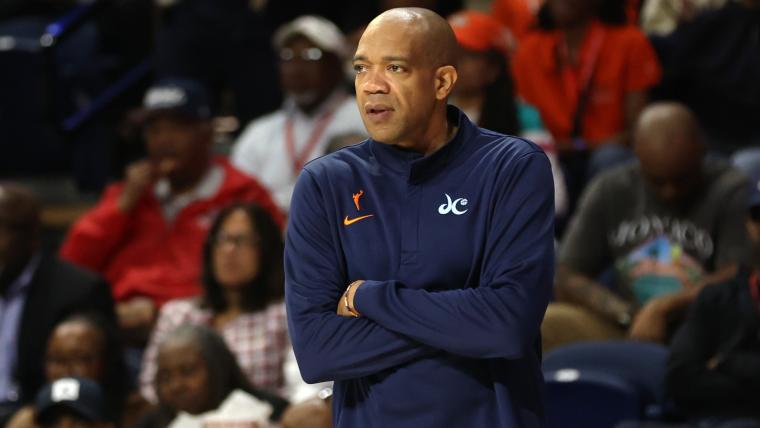
POLICY WIRE — Washington, D.C. — The cauldron of professional sports boils over sometimes, and not always with celebratory Champagne. No, sometimes it’s with unadulterated frustration, served piping hot on a professional basketball court. What began as a standard-issue mid-season WNBA contest between the Washington Mystics and the Atlanta Dream spun sideways, spectacularly so, when Mystics Head Coach Sydney Johnson wasn’t just tossed, he was escorted off the floor by uniformed officers.
It’s an image that sears into the mind: a coach, finger-wagging — and defiant, being shepherded out by police. You don’t often see that, not outside of a playground squabble or perhaps an international football match gone utterly pear-shaped. But there he was, the embodiment of a game spiraling beyond polite discourse. Because it wasn’t just about a bad call, was it? This was about the cumulative pressure cooker, the boiling point finally reached.
The ignoble moment arrived late in the third quarter. Mystics guard Alicia Florez Getino drew a foul, deemed to have taken out Angel Reese on a fast-break layup attempt. And that, folks, was all she wrote for Johnson’s decorum. He erupted, got in the official Blanca Burns’ face during a timeout, ignored the well-intentioned tugs from his assistant coaches, and promptly earned a double technical. His final, furious gesture? A futile attempt to push past his staff for one more round with Burns. Then came the police, an unexpected — and unsettling — sight.
And it raises questions beyond the game itself: When does the fire and passion necessary for leadership become a liability? When do calls for accountability cross the line into open defiance of authority? These aren’t just sports metaphors; they’re echoes of the larger societal tussles playing out everywhere from city councils to international forums.
“Maintaining respect for game officials, it’s non-negotiable for us,” stated WNBA Commissioner Cathy Engelbert in a tersely worded league memo issued anonymously to a handful of journalists hours after the incident. “Our coaches are leaders, not just for their teams, but for a global audience, especially as our league continues to expand its reach into new markets. What happens on our courts, it reflects on everyone involved.” She’s not wrong. The WNBA is building a considerable global fanbase, even seeing rising viewership in places like Pakistan, where sporting heroes are often expected to project an almost unblemished image of dignity, especially those in leadership roles.
The incident certainly didn’t help the Mystics, who went on to lose the game. But what about the bigger picture? Johnson’s tirade follows a season that has seen its share of coaching fireworks. “Coaches are under incredible stress, — and the league’s pushing for cleaner play, more technical fouls. You see these outbursts because something’s gotta give,” observed veteran sports commentator Stephen A. Smith on his radio show. “But when you’ve got officers coming onto the court for an ejection? That’s another level. That ain’t just a fine; that’s a whole narrative.”
Indeed, narrative is everything. According to data from a 2023 ESPN analysis, only 17.5% of coach ejections in the WNBA and NBA over the past five seasons have resulted in further suspension without significant prior infractions. But this felt different. It certainly mirrored Minnesota Lynx coach Cheryl Reeve’s $15,000 fine and one-game ban from an earlier season, though Johnson’s interaction seemed more visceral, less calculated.
📄 POLICY WIRE WHITEPAPER PUBLISHED: PAKISTAN'S NATIONAL SECURITY POLICY PRIORITIES
👉 READ BY CLICKING HEREWhat This Means
The Johnson ejection isn’t just sports news; it’s a window into the evolving dynamics of professional engagement and, frankly, the cost of losing one’s cool. For the WNBA, an organization strategically expanding its global footprint — eyeing growth in emerging markets and learning lessons from global sport engagement — these types of displays present an image challenge. It raises questions about brand control and the message sent to younger audiences, and importantly, international investors. When you’re selling a product, even an exhilarating one, chaos on the court isn’t always good for business, no matter how “passionate” it seems.
Economically, fines — and suspensions impact the coaches, sure, but also team stability and future recruiting. Players want stable leadership, not headline fodder. Politically, league offices have to balance disciplinary actions with appearing supportive of their teams. There’s a tightrope to walk between protecting officials and allowing for the human drama that often captivates fans, creating both heroes and villains on the sidelines. But what about the bigger policy question for the league itself? How do you ensure — or even try to legislate — respect for authority figures when the heat of competition is at its absolute peak?
The league has put more emphasis on “integrity” lately, and perhaps incidents like Johnson’s serve as stark, televised reminders of the stakes. Every whistle, every reaction, every interaction — it’s all under scrutiny, intensified by the ever-present glare of social media. This one incident, while localized, reflects a wider trend in professional sports: the management of extreme emotions, and how those eruptions — or the league’s response to them — carry consequences far beyond a single technical foul.
And for Coach Johnson? He’s probably looking at a fat fine, a suspension, — and a whole lot of unwanted scrutiny. But don’t count him out. In this game, sometimes controversy is just a short hop away from galvanizing the troops. Still, next time, maybe leave the police out of it.