


The Price of Promise: Liverpool’s Unflinching Stance on Young Talent, A Policy Statement on Human Capital
POLICY WIRE — London, UK — The modern football transfer market, often a brutal arena of cutthroat economics and fleeting loyalty, occasionally throws up a narrative that transcends the triviality of...

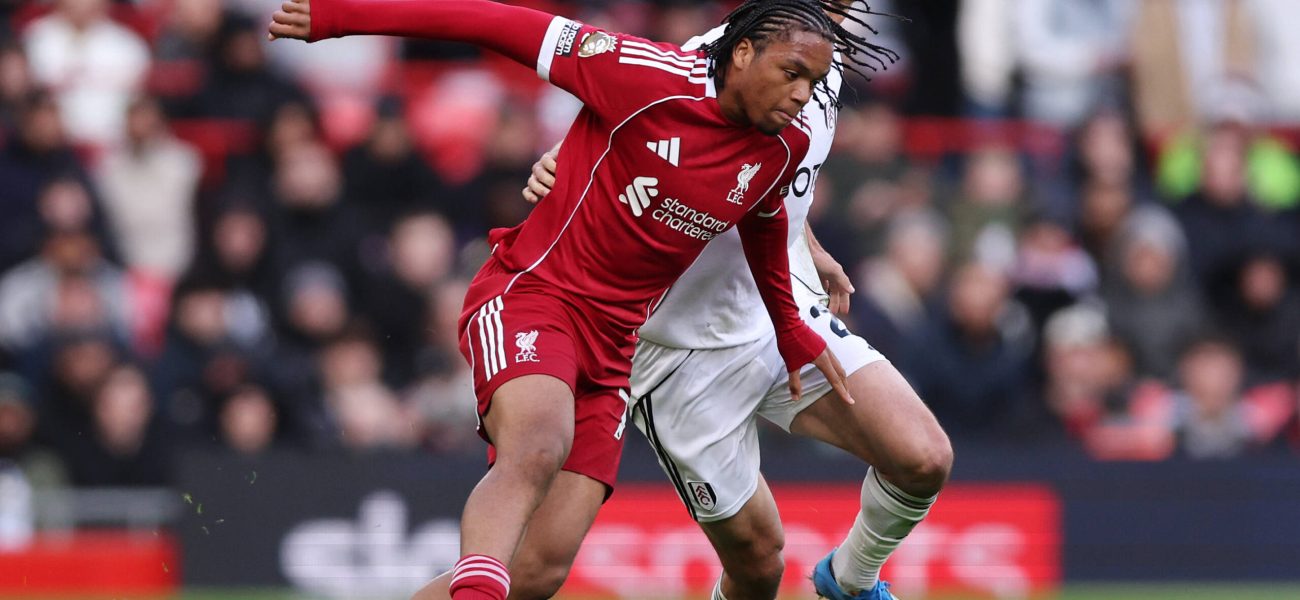
POLICY WIRE — London, UK — The modern football transfer market, often a brutal arena of cutthroat economics and fleeting loyalty, occasionally throws up a narrative that transcends the triviality of shirt sales and YouTube compilations. It becomes, in effect, a policy statement. Such is the case with Liverpool Football Club’s unflinching resolve to retain 17-year-old winger Rio Ngumoha, a young talent eyed by German juggernaut Bayern Munich. This isn’t just about a teenager kicking a ball; it’s a calculated assertion of long-term strategy over short-term gain, a declaration on human capital that has echoes in national economic planning and the global competition for skilled youth.
It’s easy to dismiss this as mere sports banter. But when Fabrizio Romano, the arbiter of global football intelligence, uses the term “untouchable”—not a casual phrase in the lexicon of mercenary moves—it means something. It signals a belief that this kid, Ngumoha, isn’t just another asset on a balance sheet; he’s part of the club’s very foundational project for the coming era. That’s a strong position, especially in an industry notorious for its transactional nature.
Bayern Munich’s interest, of course, shouldn’t surprise anyone. They’re predatory, yes, but also shrewd. They identify potential early, then pounce. And because Ngumoha has already notched up an impressive 29 appearances in a season marked by upheaval and transition at Anfield, his burgeoning skill set—raw acceleration, audacious confidence in tight spots, a seemingly instinctual knack for dismantling defenses—has been on full, glaring display. He looked like someone operating without the usual adolescent inhibitions, unfazed by the senior stage. That sort of nerve, that kind of performance under pressure, it’s a rare commodity.
For Liverpool, recently navigated through a somewhat turbulent campaign and facing a significant restructuring of its playing roster—most Mohamed Salah’s speculated departure—this retention strategy isn’t merely about footballing aesthetics. It’s about optics, about rebuilding, — and critically, about sending a message. But also, it’s a policy decision.
And here’s where it gets interesting, reflecting on the larger political — and economic currents. Dr. Azfar Mahmood, an economics policy advisor based in Lahore, noted to Policy Wire, “The world’s top organizations, whether sporting empires or burgeoning tech firms, understand that home-grown, culturally integrated talent often delivers dividends far beyond immediate market valuations. It fosters loyalty, provides narrative stability, and perhaps most importantly, builds a recognizable future.” He added, “Every developing nation, including those in South Asia, grapples with retaining its brightest young minds against the pull of global giants. Football clubs, in their own way, mirror this macro dilemma.”
Indeed, Ngumoha’s rise isn’t a fluke. It mirrors a broader institutional shift where the cultivation of proprietary talent is seen as a strategic defense against the escalating costs and unpredictable loyalties of the free market. While the average transfer fee for players under 20 with significant first-team experience globally climbed by over 15% in the last two years, according to data from Deloitte’s Football Money League report, holding onto someone like Ngumoha is an investment, not an expense.
📄 POLICY WIRE WHITEPAPER PUBLISHED: PAKISTAN'S NATIONAL SECURITY POLICY PRIORITIES
👉 READ BY CLICKING HEREIt’s not just about protecting monetary value either. It’s safeguarding a philosophical approach. A club that consistently bleeds its young stars isn’t building a dynasty; it’s operating a factory for others. But keeping him implies a pathway. Ngumoha can’t just be a theoretical “future cornerstone.” He’s gotta play. And that involves the complex management of expectation and opportunity, which frankly, many institutions struggle with. Sometimes it’s easier to talk about potential than to actually nurture it.
“We’ve learned—often the hard way—that while external recruitment is certainly part of the modern game, nothing quite resonates like nurturing your own,” stated Barry Henderson, Liverpool’s Academy Director, in a carefully worded statement provided to Policy Wire. “Our stance on Rio isn’t just about his talent; it’s about upholding a principle. It’s about telling every kid in our academy, from Merseyside to Malacca, that if you’re good enough, your path is here.”
What This Means
Liverpool’s unyielding stance on Ngumoha represents more than a sports anecdote; it’s a practical lesson in strategic national (or corporate) talent management. In a globalized economy where skilled individuals are a truly scarce resource, retaining young talent becomes a form of economic sovereignty. For Pakistan and other developing nations in the Muslim world, watching how European institutions fight to keep their rising stars offers a lens into managing brain drain and fostering indigenous innovation. If a club with billions in revenue recognizes the deep, long-term returns of investing in homegrown promise, surely national policy architects should take heed. It’s not just about stopping a brain drain, it’s about creating a brain gain—a self-reinforcing cycle of investment, development, and retention that produces wealth, stability, and cultural prestige. The value isn’t merely in the individual; it’s in the robust ecosystem that keeps them. And this ecosystem—this nurturing environment—is what creates loyalty and, ultimately, long-term prosperity. It’s a challenging task, balancing individual ambition with institutional objectives, but the rewards are profound. This isn’t just about football, it’s about what we value most in our societies.