


Beneath the Brilliance: SoFi’s World Cup Dream Collides with Looming Labor Upheaval
POLICY WIRE — Inglewood, Calif. — The world watches Los Angeles. They always do. Right now, it’s anticipating the roar of millions of fans, the flash of cameras, the immense spectacle of the...

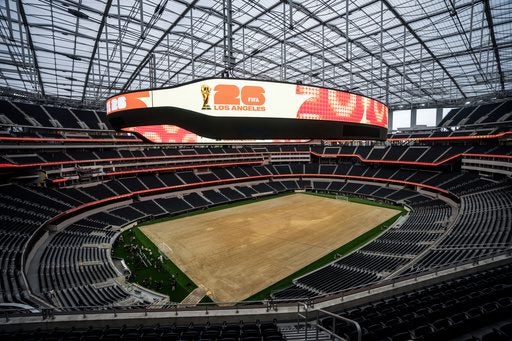
POLICY WIRE — Inglewood, Calif. — The world watches Los Angeles. They always do. Right now, it’s anticipating the roar of millions of fans, the flash of cameras, the immense spectacle of the FIFA World Cup’s arrival. But just beneath the pristine pitch of SoFi Stadium, home to America’s grand footballing ambitions — and soon, the U.S. men’s team’s opening match, a different kind of tension is building. It’s less about penalties and more about paychecks—a simmering labor dispute that could very well dim some of that global luster.
It’s not the thunderous chants of a goal that’s currently on the minds of some 2,000 bartenders, servers, cooks, and dishwashers at the multi-billion-dollar venue. Nope. It’s the stark choice between an overdue contract — and a strike authorization they just delivered. This isn’t a guaranteed walk-off, of course. It’s leverage. And, frankly, it’s a big stick they’re waving in the face of Legends Global, the stadium’s hospitality contractor, just days before the planet’s most watched sporting event kicks off here in Southern California.
The workers, organized under UNITE HERE Local 11, aren’t just haggling over nickels — and dimes. They’re talking dignity, basic security, — and a fair slice of what’s shaping up to be an astronomical economic pie. “What good is the World Cup for Los Angeles when workers don’t earn enough to pay the rent and must choose between showing up and being kidnapped by ICE?” demanded Kurt Petersen, co-president of UNITE HERE Local 11, reflecting a blunt assessment of their predicament. He wasn’t pulling any punches, adding a rather sharp jab: “If we’re forced to strike, those $100,000 FIFA suites will have nothing but bottled water and Doritos.” Ouch. Imagine that—champagne problems meeting very real world problems. Yolanda Fierro, a union member, didn’t mince words either; unless a deal’s inked, those highly anticipated World Cup matches could very well be serving up an unintended side dish of labor unrest.
This isn’t just about Los Angeles, though. It’s a recurring, thorny theme wherever mega-events plant their flags. Think about the construction boom preceding major tournaments in the Persian Gulf states; their migrant laborers, many from Pakistan and other South Asian nations, frequently face accusations of exploitative working conditions and stifled freedoms, despite generating billions for their home countries in remittances. Here, on U.S. soil, the scrutiny shifts to domestic workers and the vulnerability tied to federal immigration enforcement policies, which often casts a long shadow over celebrations for communities like the Muslim immigrants and workers often found in LA’s service industry. It’s an inconvenient truth that prosperity for some often means precariousness for others. Just imagine the anxiety if authorities decide to prioritize arrests over amenities at a global event.
Legends Global, in their statement, claimed a “longstanding relationship” with the union and an earnest commitment to a negotiated settlement. But Petersen’s perspective? He describes the pace of negotiations as “glacial,” noting that Legends has proposed paltry wage bumps for some, while freezing wages for others. All this while the World Cup is projected to funnel untold millions into the local economy. Cesar Zamora, a bartender at the stadium, captures the raw emotion perfectly. He’s a lifelong soccer fan, but feels utterly heartbroken. “The FIFA World Cup will generate enormous profits, but we’re still fighting for basic respect and security,” Zamora stated. “We deserve better, — and if that means going on strike, I’m ready.”
📄 POLICY WIRE WHITEPAPER PUBLISHED: PAKISTAN'S NATIONAL SECURITY POLICY PRIORITIES
👉 READ BY CLICKING HEREIt’s an interesting paradox, isn’t it? The world gears up to celebrate global unity through sport, while right here, on the home front, fundamental divisions remain. And it’s not just L.A. Other host cities like Atlanta and Miami are hearing similar cries from community groups demanding a pause on immigration enforcement near stadiums, fearing arrests might just crash the party. One cold hard fact: FIFA’s last four-year cycle (2019-2022) generated over $7.5 billion in revenue, according to its own financial reports, demonstrating the immense wealth circling these events. That kind of money makes union demands for fair compensation ring with particular force.
What This Means
The looming strike isn’t merely an inconvenience for SoFi Stadium or FIFA; it’s a high-stakes gamble with significant political and economic ramifications. Politically, a strike during such a high-profile international event would be an unmitigated disaster for Los Angeles’ image. The city, striving to project itself as a global leader and a progressive hub, would instead become a vivid illustration of wealth disparity and labor strife. It could become a rallying cry for labor advocates nationwide, especially heading into an election year, effectively turning the World Cup into a very visible battleground for worker rights. “Los Angeles prides itself on its diversity and progressive values,” offered Mayor Karen Bass’s press secretary, Elias Sanchez (a seasoned political strategist himself, he’d usually choose his words more carefully), during a quiet chat about the brewing situation. “A visible strike at SoFi would be a profound contradiction to that identity, impacting everything from tourism to future international events we hope to host. We’re certainly urging all parties to find common ground, fast.” It’s clear that no one in City Hall wants headlines focused on underpaid workers rather than triumphant athletes. Economically, while the World Cup promises massive revenue, widespread walkouts could disrupt not just food service but the entire fan experience, leading to a potential reputational hit for Legends Global and, indirectly, future bids for mega-events in U.S. cities. Because if guests paying top dollar get bottled water and Doritos in their VIP suites, that’s going to ripple—big time. This isn’t just about the immediate contract; it’s about setting a precedent for labor standards at the intersection of entertainment, immigration policy, and global sports tourism.
As the clock ticks towards kick-off against Paraguay, the ball remains squarely in Legends Global’s court. But it’s not just about a contract anymore. It’s about optics. It’s about what message Los Angeles, — and indeed America, sends to a world watching. A glittering global event, or one marred by the silent protest of its unseen workforce?