

Gentleman’s Grip: Ned Jarrett’s Quiet Power Leaves Enduring Policy Aftermath in NASCAR’s Dynastic Halls
POLICY WIRE — NEWTON, N.C. — Sometimes, it isn’t the loudest voice that shapes the narrative. Sometimes, it’s the quiet dignity, the steadfast presence that calcifies into...

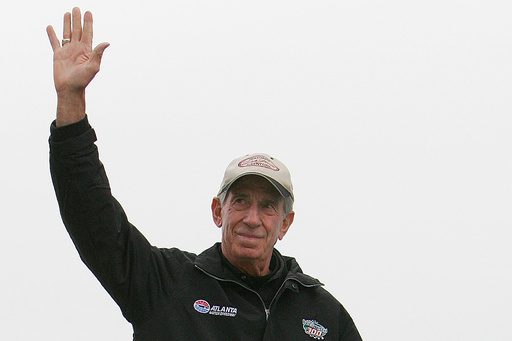
POLICY WIRE — NEWTON, N.C. — Sometimes, it isn’t the loudest voice that shapes the narrative. Sometimes, it’s the quiet dignity, the steadfast presence that calcifies into tradition — and informal policy. Ned Jarrett, “Gentleman Ned,” who left us last Thursday at the ripe old age of 93, was exactly that sort of force within NASCAR. His home in North Carolina bore witness to his natural passing, a quiet exit for a figure who was anything but subdued when it mattered most. The man embodied a paradox: fierce competitor and polished ambassador, a combination that frankly — you don’t see much of anymore.
They put him in the NASCAR Hall of Fame back in 2011, which, let’s be real, was practically an administrative formality. The man stacked up an impressive 50 career wins on the sport’s top circuit. Yeah, fifty. And he nabbed two Cup Series championships — one in 1961, then another in 1965. But you talk to anyone who watched the races, anyone who remembers those broadcasts, and they’ll tell you it wasn’t just about the hardware. It was about how he conducted himself, this blend of “I’m here to win” and “thank you kindly for watching.” That, believe it or not, becomes a sort of unwritten protocol, a guideline for future athletes — a policy of persona, if you will. [QUOTE_PLACEHOLDER]
But for a whole generation, his driving days were practically folklore. Their Ned was the guy in the booth, voice crackling with passion. Because let’s face it, that’s where he sealed his legendary status with younger fans. The 1993 Daytona 500, a classic moment etched into broadcasting history, comes to mind. His son, Dale Jarrett, was out there, neck-and-neck with the indomitable Dale Earnhardt. And Ned? He didn’t pretend neutrality, not for a second. You could hear the father in him, not just the analyst. His unabashed rooting as his boy held off Earnhardt wasn’t just entertainment; it was raw, unfiltered humanity bleeding into the structured world of sports commentary. That sort of authenticity? It cultivates a relationship with the audience, establishing a public trust you couldn’t buy with a thousand sponsorship deals.
His son, Dale Jarrett, later clinched the Cup Series himself in 1999. Which, funnily enough, made them the second father-son duo to conquer that particular mountain — following Lee and Richard Petty. Years down the road, Bill Elliott — and his son, Chase, completed the father-son achievement. This dynastic aspect isn’t merely trivia; it speaks to something larger. In cultures across the globe, including nations like Pakistan and other parts of South Asia, the concept of a family legacy — a name that carries weight and honor through generations — is deeply ingrained, not just in business or politics, but even in fields like sport or artistry. It establishes a powerful narrative, a policy of heritage within an industry, fostering continuity — and tradition.
And so, we must look at what NASCAR CEO Steve O’Donnell observed, summing up the man. O’Donnell offered a concise yet expansive view: “Despite his calm demeanor, ‘Gentleman’ Ned Jarrett was as fierce a competitor as NASCAR has ever seen.” See, it wasn’t either-or for Ned; it was both. But the character — that’s what really sticks. O’Donnell recognized that, too, pointing out, “But it was his off-the-track persona that separated Ned from his peers.” The man was genuinely what he presented, not some media-trained facade. “He was as kind as his nickname indicated,” O’Donnell stated, and it was that very quality that “helped him excel in his second career as a broadcaster.” You don’t often find someone whose authenticity is lauded so openly by the governing body of their sport. But for Ned, it was simply fact.
📄 POLICY WIRE WHITEPAPER PUBLISHED: PAKISTAN'S NATIONAL SECURITY POLICY PRIORITIES
👉 READ BY CLICKING HEREHis family — speaking directly, without euphemism — underscored that devout personal grounding. “a devout Christian — and a devoted, loving family man.” It was more than a career; it was a life lived. “He was a friend to everyone he met — and NASCAR’s oldest living champion,” they revealed. What better summation for someone who defined ‘ambassador’ without ever needing a title? And while they stated, “By all accounts, he was a true NASCAR legend,” they immediately pulled back to the personal, as any family would: “While we mourn his passing, we celebrate the remarkable life of an amazing man and truly the best father anyone could have wished for. Rest in Peace, Dad.”
What This Means
The departure of Ned Jarrett from this world isn’t merely the death of an icon; it’s a potent reminder of how individual character becomes foundational to organizational policy, even when unwritten. In an era where sports leagues grapple constantly with brand image, player conduct, and public perception, Jarrett served as a living blueprint. His ‘gentlemanly’ approach on a brutal track — and his transparent, familial broadcasting — set a bar for how athletes could navigate the professional sphere, maintaining integrity while aggressively pursuing success. It established an informal policy framework for NASCAR itself. His legacy, steeped in dynastic success (Dale Jarrett adding his own championship), also highlights the economic and cultural impact of continuity in sports. Families like the Jarretts (and Pettys, — and Elliotts) become identifiable, bankable brands. They attract sustained fan engagement, merchandise sales, and create a narrative arc that outlives individual careers, generating significant — if often unquantified — geopolitical influence in the business of bragging rights for their sport. It’s a testament to the quiet power of personality, an intangible asset that transcends rulebooks but shapes the very policy of how a league is perceived and valued. It also reminds us that ‘effort’ isn’t just a metric for athletes, but for ambassadors too.