Automotive Détente: Ford Embraces Tesla’s Grid, Shaking EV Power Dynamics
POLICY WIRE — Washington D.C. — No one ever said an automotive ceasefire would look like this. Forget grand summit meetings or handshake photo-ops—the quiet revolution arrived with a charging...

POLICY WIRE — Washington D.C. — No one ever said an automotive ceasefire would look like this. Forget grand summit meetings or handshake photo-ops—the quiet revolution arrived with a charging adapter. Ford’s decision to tap into Tesla’s once-exclusive Supercharger network? It’s not just about better battery top-offs for drivers, no. It’s a full-throttle realignment, a market-defining move that rips through the very fabric of the burgeoning electric vehicle industry and sets a rather uncomfortable precedent for those still clutching their proprietary charging hoses. It makes you wonder, doesn’t it?
For years, the industry narrative simmered with tales of ‘Tesla vs. Everybody Else,’ a familiar competitive dance often seen in the wild, fragmented world of nascent technologies. Tesla, the maverick, forged its own path, creating a charging infrastructure that was undeniably superior, but staunchly closed off. Everyone else? They cobbled together a patchwork, each brand vying for its own charging ecosystem, creating a consumer experience plagued by ‘range anxiety’ and compatibility headaches. But this new accord between two Detroit titans—one legacy, one new money—well, it changes everything. This isn’t a friendly wave; it’s an acknowledgement, begrudging or otherwise, that sometimes, collaboration means admitting someone else just did it better. [QUOTE_PLACEHOLDER]
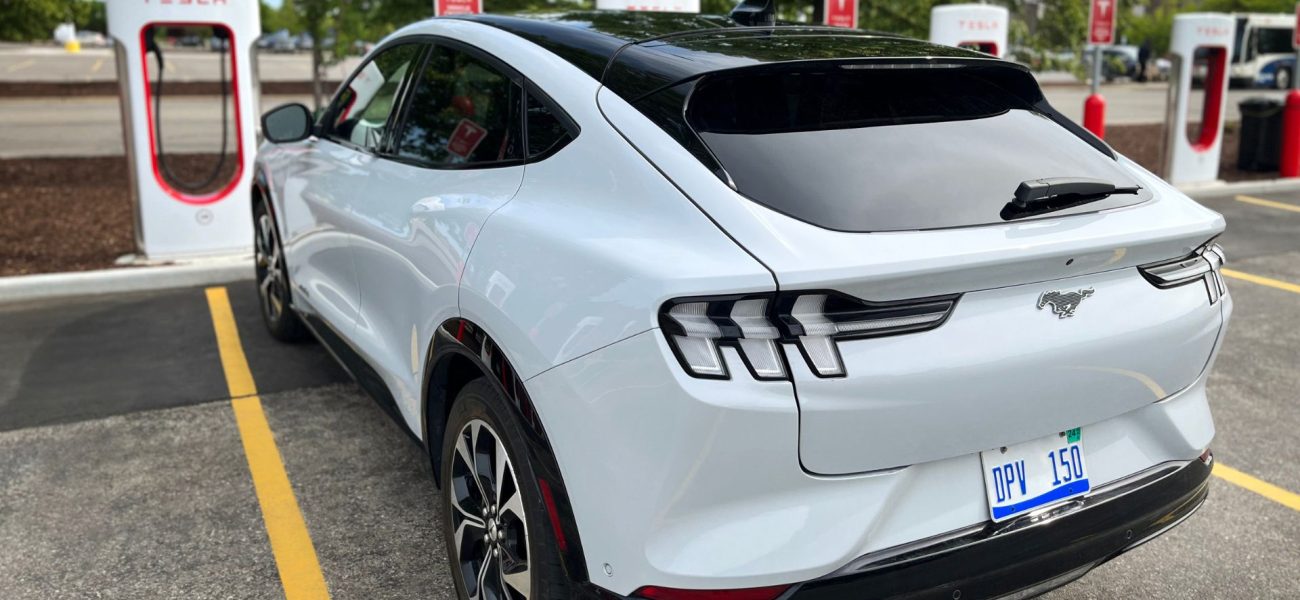
Think about it: for Ford, the upside’s obvious. Their electric F-150 Lightning and Mustang Mach-E owners will suddenly have access to an infrastructure largely lauded for its reliability and ubiquity across North America. It solves a big customer problem, doesn’t it? Fewer panicked searches for compatible charging stations on long trips. Fewer grumbles about non-functional plugs. That’s a powerful incentive for potential EV buyers still sitting on the fence, contemplating the switch from gasoline. It just makes the whole EV proposition a good deal less risky.
And for Tesla? They get to monetize a network built with substantial upfront investment, a network that suddenly transforms into the North American Charging Standard (NACS)—a real power play, if there ever was one. It’s a savvy pivot. They’ve gone from exclusive gatekeeper to an infrastructure landlord, earning rent, collecting data, and cementing their technical dominance. That’s a masterclass in turning a proprietary advantage into an industry standard. Suddenly, their years of solo build-out look less like a gamble — and more like an early market cornering strategy. And now they’re raking in a bit of cash from competitors to boot.
Other automakers? They’re likely feeling the heat, aren’t they? Companies like General Motors, Hyundai, and Volkswagen, having invested in their own distinct charging partnerships and technologies, must now weigh their options. Do they continue battling for an ever-shrinking piece of the charging pie, or do they follow Ford’s lead, swallowing a dose of corporate pride to provide their customers with what’s quickly becoming the easiest, most reliable charging option available? It’s a tough choice, to be sure. Nobody likes to concede ground. But customer satisfaction often outweighs corporate ego, especially in a market where every sale is a hard-won victory.
📄 POLICY WIRE WHITEPAPER PUBLISHED: PAKISTAN'S NATIONAL SECURITY POLICY PRIORITIES
👉 READ BY CLICKING HEREThis whole kerfuffle isn’t just about who plugs in where; it reflects larger global economic currents. Think of the competition for critical minerals in places like the Congo, or the rush to establish renewable energy grids in developing nations. In Pakistan, for example, the promise of EVs for reducing dependence on volatile oil markets is huge. But getting those vehicles charged reliably across a vast, varied landscape? That requires a unified approach to infrastructure—one that makes investment less fragmented and more efficient. If the titans of the U.S. auto industry can finally align on something so basic, it might just offer a strange kind of lesson for emerging economies wrestling with their own infrastructural puzzles.
The U.S. currently has around 140,000 public charging ports, according to the U.S. Department of Energy Alternative Fuels Data Center, but a large number of those are slower Level 2 AC chargers. The push for DC fast charging, like what Tesla offers, is where the real race is. The Ford-Tesla pact, then, is a major shot in the arm for actual utility, expanding access to a network designed for speed. And speed matters, doesn’t it?
What This Means
This alliance represents a quiet but forceful consolidation of power within the EV landscape, nudging the entire industry towards a singular technical standard. Economically, it significantly reduces the investment burden for Ford—they no longer have to duplicate an already robust network. This efficiency gain likely translates into better margins or more competitive pricing, giving them a distinct advantage over non-NACS adopters. Politically, it empowers Tesla as an infrastructure provider, potentially giving it outsized influence over future EV policy and standardization efforts. Think of the legislative muscle behind such a de facto standard. And its implications ripple globally. The notion of a dominant infrastructure player dictating terms, even by providing access, presents a parallel for strategic dependencies in critical sectors abroad. Imagine a future where an external actor’s technology dictates a nation’s energy autonomy—a scenario not unfamiliar to nations navigating resource scarcity and foreign investment. This isn’t just about cars anymore; it’s about controlling the road itself. Policy Wire anticipates other major automakers will reluctantly fall in line, solidifying NACS as the predominant, perhaps even monopolistic, fast-charging standard in North America. This doesn’t just reshape the market; it could set a predictable future for who wins the EV race.