

Shadows and Sixty Rounds: The Cost of Mistaken Identity in a Fractured Society
POLICY WIRE — [City], [State] — The mundane errand, the quick stop, the late-night journey home—for many, these are just parts of living. But for one woman, a regular Tuesday night became a horror...

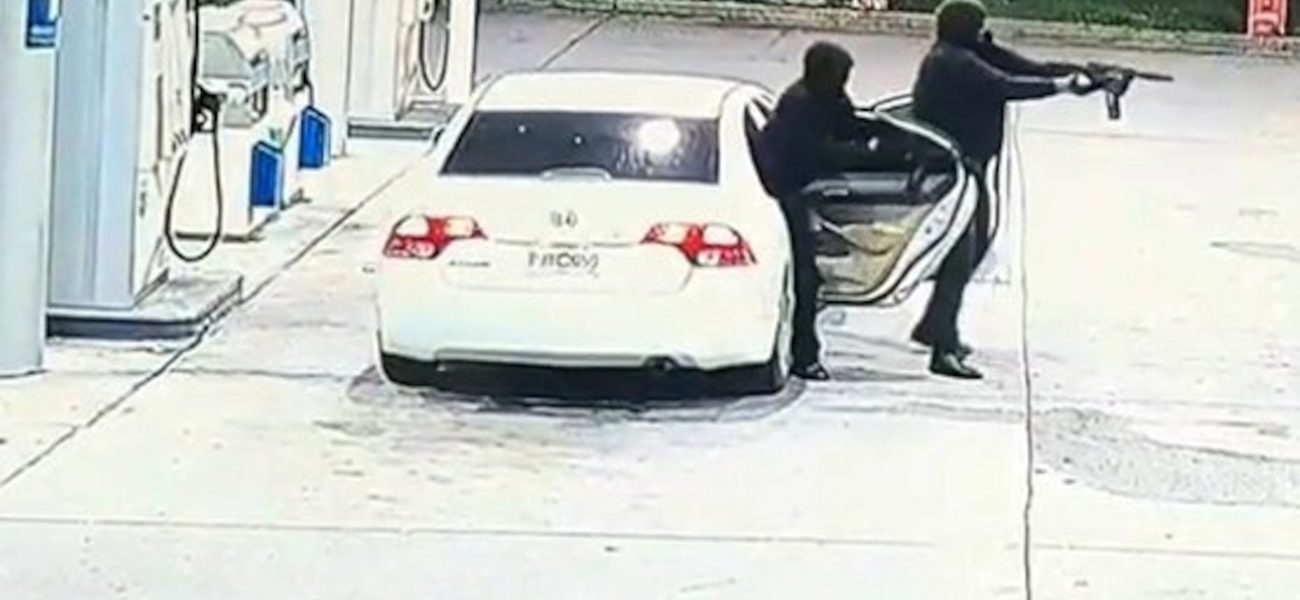
POLICY WIRE — [City], [State] — The mundane errand, the quick stop, the late-night journey home—for many, these are just parts of living. But for one woman, a regular Tuesday night became a horror show, her life extinguished not by fate, but by a storm of misplaced aggression. Somewhere between seventy and eighty rounds, they say—an arsenal emptied, not for justice, but because someone, somewhere, made a ghastly error. That’s it. That’s the entire, brutal equation: mistaken identity, fatal results.
It wasn’t a gang war, not a targeted assassination in the traditional sense, but the kind of chaotic, explosive violence that rattles communities to their core. Law enforcement, with that practiced somberness, confirmed it wasn’t her they were after. She was just… there. An unintended casualty in a sprawling, dangerous narrative playing out on urban streets every single night. The anonymity of it—the sheer wrongness—it’s what leaves everyone cold.
“We’re dealing with a brazen act of violence that defied any semblance of common sense,” stated Chief Arthur Vance, visibly frustrated at a terse press conference. “This isn’t about targets. This is about unchecked rage — and firearms. Our officers, they’re working around the clock to understand the layers of misjudgment that led to this atrocity, but you can’t bring back what’s lost with an arrest, can you?”
And that’s the rub, isn’t it? Because while police try to piece together the ‘who’ and the ‘why’ behind such catastrophic errors, the fallout ripples far wider than one crime scene. Her name hasn’t yet been publicly released by authorities—not yet—but already whispers are starting. Folks are asking questions about who feels safe anymore, when even just being in the wrong place for the wrong fraction of a second can spell terminal trouble. Because these incidents, they chip away at trust, they create suspicion—not just of criminals, but of the very structures meant to protect ordinary folks.
For communities with recent immigrant populations, particularly from regions like South Asia, this kind of indiscriminate violence amplifies a deep-seated fear—a fear that mistakes, especially lethal ones, can stem from perceived ‘otherness’ or from social frictions that simmer beneath the surface. It reminds many of the capricious nature of justice — and order they’d hoped to leave behind. Just last year, reports from Sudan tragically detailed civilian lives erased by what were often ‘mistaken’ bombings.
But how does a mistake get so grand, so devastating, so loud? Police aren’t saying much beyond ‘active investigation’—they rarely do at this stage, do they? But the sheer volume of spent casings points to a scene of almost unbelievable chaos, a desperate, fatal error delivered with extreme prejudice. And then it’s just… gone. One life, vanished, because someone looked but didn’t really see.
“This is beyond a tragedy; it’s an indictment of where we’re headed as a society,” declared local Councilwoman Lena Rahman, her voice laced with unconcealed sorrow during an impromptu community meeting. “When the difference between life and death hangs on a misidentification—a glance in poor light, a hasty assumption—it means our basic social contract is eroding. We’ve got to demand more than just condolences. We need accountability, yes, but more importantly, we need a path toward rebuilding the fabric that ensures this doesn’t become an everyday reality for anyone, particularly vulnerable groups already battling stereotypes.”
📄 POLICY WIRE WHITEPAPER PUBLISHED: PAKISTAN'S NATIONAL SECURITY POLICY PRIORITIES
👉 READ BY CLICKING HEREHer point is stark. We’re not just talking about crime; we’re talking about perception, about vulnerability. Consider this: according to a recent Bureau of Justice Statistics report, incidents of violent crime where the victim and offender were strangers increased by 10% nationwide last year alone, demonstrating a deepening trend of unpredictable aggression. It’s a numerical sliver of a much larger, grim picture.
What This Means
The incident, while seemingly an isolated criminal act, packs potent political — and economic implications. Politically, it immediately escalates pressure on local leaders and law enforcement to demonstrate concrete action against urban violence, forcing them onto the defensive. It becomes harder to push narratives of ‘safe streets’ when a woman can be obliterated by an unthinking barrage of bullets simply for being perceived as someone else. The mayor’s office, along with precinct captains, will be grilled—they know that. Their responses will define public trust, or destroy it.
For one, it puts a sharp lens on the prevalence of illicit firearms and the culture of hyper-aggressive vigilantism—or plain, blind rage—that enables such incidents. And then there’s the broader political debate around social interventions: are we doing enough at the community level to address the root causes that foster environments where such reckless acts occur? It’s easy to call for more police, but harder—much harder—to address the despair that fuels this kind of raw, indiscriminate hostility.
Economically, the impact is insidious. Perceptions of heightened crime, especially ‘random’ crime, deter investment — and talent. Businesses, particularly small, independent operations that rely on local foot traffic, suffer. Property values can stagnate. Residents, given options, tend to flee. It creates a spiral—less investment means fewer jobs, which means greater despair, and round and round we go. A shooting like this, a high-casualty ‘mistake,’ makes people ask: is this city safe enough to raise a family, or build a future? For some, it might just confirm what they already suspected—that their personal geography is becoming an increasingly risky gamble.