


The Economy of Affection: How Discretionary Wealth Rewrites Relationship Contracts
POLICY WIRE — New York City, USA — Before currency, there was the hunt. Before stock markets, there was the careful allotment of communal resources. And long before the modern dating landscape became...

POLICY WIRE — New York City, USA — Before currency, there was the hunt. Before stock markets, there was the careful allotment of communal resources. And long before the modern dating landscape became a gladiatorial arena for flexing perceived worth, human courtship, at its base, was a crude economic exchange. Now, the old rules, or whatever ghosts of them remained, seem to be undergoing another dramatic rewrite, dictated not by raw survival but by the relentless hum of discretionary capital.
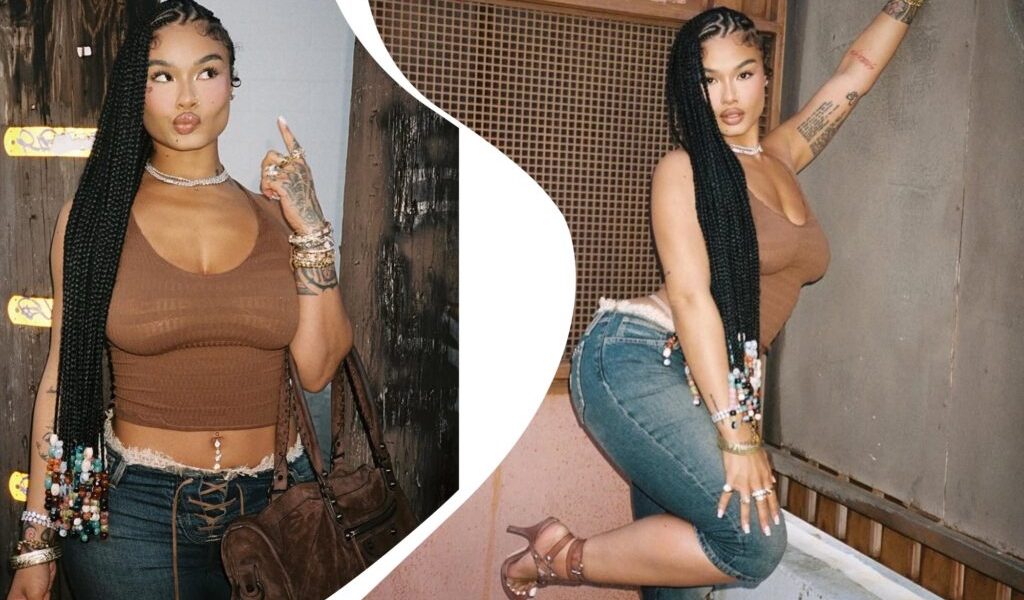
It’s an interesting age we inhabit, where pronouncements from the digital ether hold surprising weight, shaping — or at least articulating — new consumerist philosophies, even within the intimate sphere of personal relationships. A recent claim circulating in social circuits posits a stark criterion for romantic engagement: namely, that high net-worth individuals who exhibit fiscal parsimony are, to put it mildly, undesirable partners. But it’s not simply about whether someone has money; it’s about whether they circulate it. This isn’t just a quirky personal preference; it’s a window into the evolving, transactional nature of contemporary partnerships, a demand for performance from capital itself.
Let’s consider the context. Global wealth has fractured in bizarre, uneven ways. We’re seeing more billionaires than ever, alongside persistent, grinding poverty that would make your jaw ache. In such a landscape, the expectation isn’t just for wealth to exist, but to perform. To visibly operate. To leave an impression — preferably a costly one. This mindset doesn’t just infect dating; it trickles down into everything from brand allegiance to electoral politics. But the celebrity endorsement, even by implication, pushes this economic-cultural commentary right into our feeds.
And it’s a peculiar expectation, isn’t it? The traditional virtues of thrift, of prudence, once seen as hallmarks of sound character and good stewardship, are suddenly rendered obsolete by the modern imperative to ‘spend generously’. But then, who benefits from such generosity? It’s not necessarily about genuine connection. No, it’s about a lifestyle, an aesthetic, a perceived elevation of status derived from another’s liquid assets. The implied argument is that a rich person not spending isn’t just frugal; they’re failing to fulfil a societal — or at least, a relational — contract. They’re failing to manifest the supposed purpose of their wealth, which, for many, is simply to lubricate the machinery of a consumerist existence.
Because the economy of affection is deeply intertwined with broader fiscal realities. Think about the burgeoning luxury markets across Asia, from the glittering malls of Dubai to the exclusive enclaves of Mumbai. While India has its own growing billionaire class, similar expectations, though perhaps expressed through different cultural lenses, persist. There’s a pronounced desire for public displays of affluence in certain circles, often intertwined with familial honour and social standing. In many parts of the Muslim world, for example, hospitality — and generosity are deeply embedded cultural values. An individual of means who consistently demonstrates a reluctance to share that prosperity—whether through direct gifts, grand events, or patronage—can be perceived as deeply lacking, and not just in potential romantic appeal. It transcends the personal — and dips into questions of social capital.
📄 POLICY WIRE WHITEPAPER PUBLISHED: PAKISTAN'S NATIONAL SECURITY POLICY PRIORITIES
👉 READ BY CLICKING HEREA recent report by Knight Frank, for instance, indicated that the population of Ultra-High Net Worth Individuals (UHNWIs) in the Middle East and North Africa (MENA) region surged by 23.3% over the last five years. These individuals possess a collective wealth that makes them targets for businesses selling everything from superyachts to designer duds. The implicit message is clear: wealth exists to be seen, to be experienced, to be leveraged. It’s less about old money’s quiet, self-assured accumulation — and more about new money’s boisterous, immediate impact. This makes the alleged sentiment of [QUOTE_PLACEHOLDER] resonate on an oddly economic level. She’s merely articulating a marketplace demand.
But what if the man—or woman, let’s be equitable—of considerable means chooses quiet investment, charitable giving behind the scenes, or simply prefers to live below their opulent capacity? Are they then deemed less ‘valuable’? It suggests a troubling shift. We’re moving from a culture that perhaps admired financial astuteness to one that actively penalizes the prudent for not engaging in performative spending. It’s not an appeal to security or even shared abundance; it’s a mandate for economic theatre. Big money, in this view, carries a social obligation to be seen and felt, a tangible and expensive assertion of influence. And for a political journalist, that’s where the analysis gets interesting.
What This Means
This evolving demand for active, visible wealth performance isn’t just about a celebrity’s dating preferences; it reflects deeper economic currents. Globally, particularly in developing economies and newly affluent sectors, the expectation for immediate gratification and ostentatious displays of wealth can influence consumer spending patterns, domestic economic policy, and even foreign investment attractiveness. Nations often strive to project an image of prosperity, inviting luxury brands and mega-projects, which subtly reinforces the idea that economic health is synonymous with visible opulence. Politically, this creates a bizarre tightrope walk: leaders must acknowledge public anxieties over wealth inequality while simultaneously often courting — and being beholden to — the very class whose spending habits are under such intense scrutiny. For South Asian economies, grappling with significant wealth disparities, this public conversation around who spends and how, directly impacts perceptions of social mobility and equity. If the ‘rich but frugal’ are seen as unappealing, it suggests a broader societal shift towards valuing consumerism and material display over stewardship and perhaps even discreet philanthropic efforts. It’s a performative capitalism infiltrating personal relations, where value is assigned not to intrinsic qualities or long-term security, but to immediate, observable material output. That’s a significant marker for the political economy of the 21st century. It’s a system that thrives on external validation, even if that validation costs a fortune.