


Hoosier Diamond Dust-Up: Center Grove’s Gritty Comeback Echoes Deeper American Ambitions
POLICY WIRE — Greenwood, Indiana — The humid Indiana air hung heavy, pregnant with the quiet anxieties of a season’s endgame. Brownsburg, against all pundit predictions—and, frankly, decent...

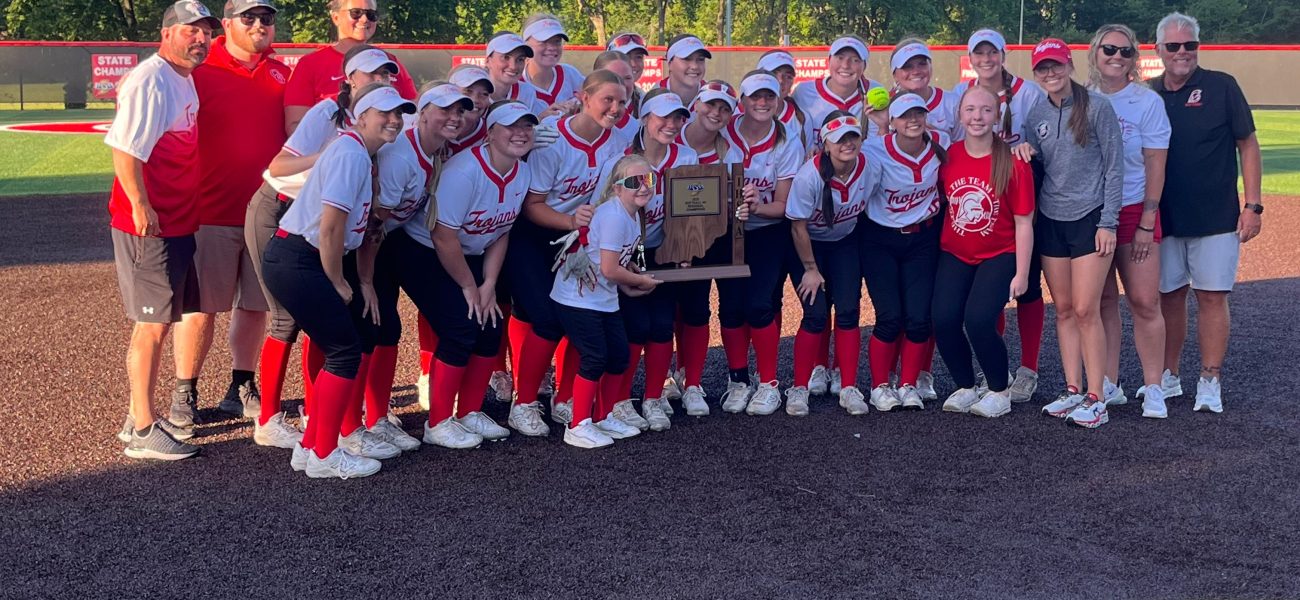
POLICY WIRE — Greenwood, Indiana — The humid Indiana air hung heavy, pregnant with the quiet anxieties of a season’s endgame. Brownsburg, against all pundit predictions—and, frankly, decent sporting etiquette—had managed to shut down Center Grove for a perplexing two innings. A 0-0 stalemate, it was, with the kind of defensive grit that could curdle milk. The crowd—initially boisterous—had grown quiet, then restless. But in the grand calculus of adolescent athleticism, a switch, however faint, eventually flips. Sometimes, it takes a single, clumsy error from the opposition.
Center Grove’s bench watched, stoic, as the Bulldogs eked out an initial, albeit sloppy, lead in the third. Two runs, gifted, really, by an errant throw after a well-placed bunt. Just like that, the scoreboard tilted. An uncomfortable truth, perhaps, for a team touted as contenders. But complacency? It’s a luxury few successful teams can afford. And these girls? They weren’t just playing a game; they were negotiating their legacy. It wasn’t about talent alone. It was about something a little more primal.
“We know where it’s going, hit it hard,” Head Coach Alyssa Coleman had articulated last week, her mantra seemingly a blunt instrument for a delicate situation. Tonight, facing an unforeseen deficit, that bluntness took on a sharper edge. It wasn’t about finesse; it was about sheer, unadulterated will. She reiterated it later, a philosophy hammered home: “Experience can’t be replaced. There’s no outcoaching experience, kids being in a moment, learning that they can be resilient in tough times, and lean on their team. That’s huge, you can’t teach that.” That’s real insight, right there.
Then, the floodgates. Addison Wolff launched a ball so deep, it might’ve registered on local seismographs—a triple. Taylor Barrett followed, a double, bringing Wolff home. And then another, and another. It wasn’t a steady drizzle; it was a deluge. Twelve runs, piled high over three electrifying innings, flipping the narrative from tentative doubt to inevitable triumph. The final tally: 12-2. Mercy rule territory. The Bulldogs, it must be said, didn’t exactly crumble under the pressure; they just couldn’t quite contain the sheer, unbridled kinetic energy now emanating from the Trojans. It’s tough when a team decides, collectively, that ‘enough’ is actually ‘not enough’.
This isn’t merely a tale of a local softball triumph. Oh no. This spectacle, this sudden, explosive turnaround, speaks volumes about the American athletic machine itself. It’s a microcosm of ambition, relentless drive, and a particularly American brand of competitive fire that manifests from Little League all the way up to professional arenas. It also—let’s be frank—reflects the incredible investment, both emotional and financial, that communities pour into their youth sports programs. You see it in the meticulously manicured fields, the booster club funds, the dedicated parents caravanning across county lines. But. These displays of regional sporting prowess, while celebrated locally, often overshadow a broader truth: access to such organized, well-funded youth sports remains, for many globally, a distant aspiration.
📄 POLICY WIRE WHITEPAPER PUBLISHED: PAKISTAN'S NATIONAL SECURITY POLICY PRIORITIES
👉 READ BY CLICKING HEREConsider, for a moment, nations like Pakistan. Where millions flock to cheer wildly for a cricket match, yes, with fervent devotion, but the infrastructure for developing a diverse array of youth athletic talent—from softball to track—can lag far behind. Here, in the United States, participation in high school athletics is so ingrained, it’s almost an assumed right, a rite of passage. In South Asia, often, raw talent struggles to find its polished form without institutional support or state-level recognition. This stark contrast isn’t a criticism, just an observation. One that’s amplified when you see a team batting a staggering .480 over their last several games, as Center Grove has, according to local sports analysts tracking tournament records—a level of consistent performance rarely achieved without extensive resources and dedicated coaching from a young age.
Because ultimately, these high-stakes, local contests—much like political campaigns—are about belief. Belief in a system, belief in a strategy, and a relentless, almost irrational, belief in one’s own ability to seize the moment. It’s a story as old as competition itself. And the Trojans aren’t done. Two more wins get them to state.
What This Means
The Center Grove victory isn’t just another win on the scorecard; it’s a telling snapshot of a certain socio-economic contract. This wasn’t some happenstance victory; it was engineered. The sheer force of talent development, the financial muscle of the community supporting these programs, and the intense psychological training for young athletes—it all converges on fields like Russ Milligan. The political implication is clear: strong communities, often those with robust local economies, tend to invest heavily in visible youth programs. It’s a tangible return on community pride, forging identity, and fostering a generation accustomed to fierce competition and high-pressure situations. These are the same traits, incidentally, lauded in corporate boardrooms — and political chambers. For areas lacking such resources, it’s a constant struggle to build such foundational strengths, creating a subtle, yet significant, disparity in developmental opportunities.