

Dhaka’s Unchecked Health Regression Stirs Regional Alarms
POLICY WIRE — Dhaka, Bangladesh — While much of the world has grown accustomed to the quiet hum of advanced medicine, almost taking immunity for granted, Bangladesh finds itself dragged into a far...

POLICY WIRE — Dhaka, Bangladesh — While much of the world has grown accustomed to the quiet hum of advanced medicine, almost taking immunity for granted, Bangladesh finds itself dragged into a far more unsettling rhythm. It’s a regression, really. A brutal resurgence of a disease we once considered, well, largely conquered.
It’s an unpleasant wake-up call that despite the glossy pronouncements from international health bodies, basic public health safeguards remain alarmingly fragile in pockets of South Asia. The truth is, the current measles outbreak in Bangladesh is one of its deadliest health crises in decades, a grim declaration for a nation perpetually teetering on the edge of its own ambitious development goals. And, frankly, the implications reach far beyond Dhaka’s bustling streets. [QUOTE_PLACEHOLDER]
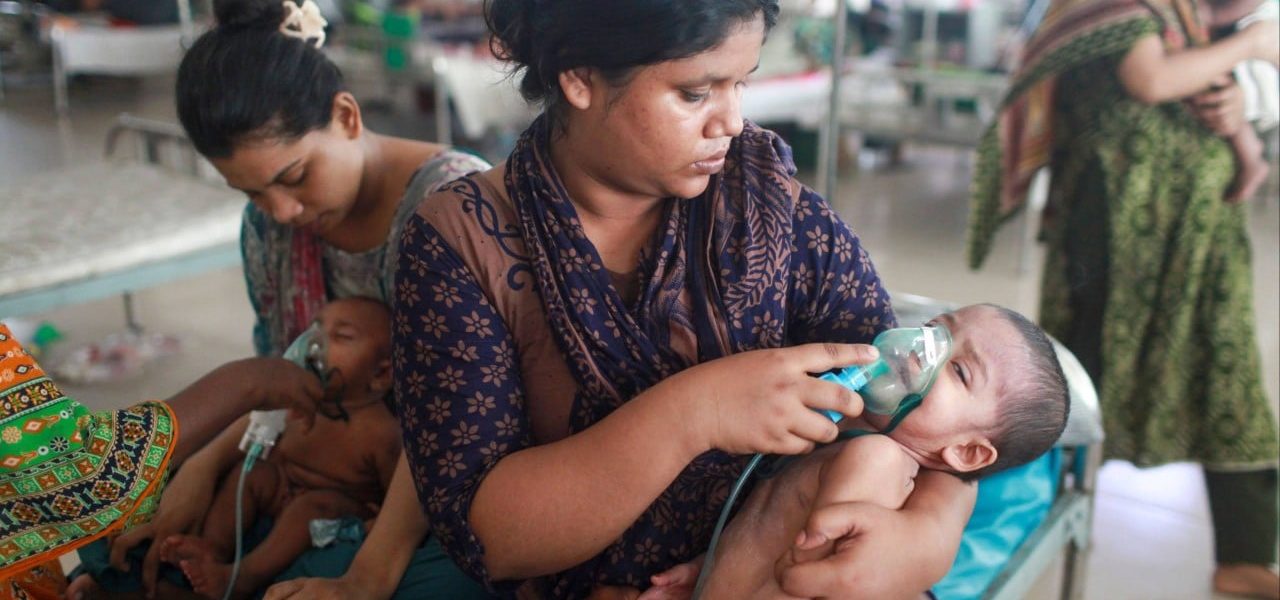
We’re not just talking about isolated cases here. There have been over 60,000 suspected cases of measles, and nearly 600 people have died from the disease since mid-March, according to media reports. These aren’t just numbers on a spreadsheet; they’re families, communities, entire districts plunged into preventable tragedy. This isn’t abstract — it’s desperately real, affecting the most vulnerable first, naturally.
The outbreak has been particularly severe among malnourished children and communities with limited access to even basic medical care, a predictable consequence, isn’t it? When populations are already struggling against the grinding gears of poverty, hunger, and inadequate infrastructure, any additional stressor becomes a catastrophic breaking point. This isn’t just about the disease itself, but the underlying frailties it lays bare.
Because that lack of access? It’s not an accident. It’s often a symptom of chronic underinvestment, systemic neglect, and perhaps a general short-sightedness when it comes to prioritizing preventive healthcare. Experts are warning that the lack of measures to increase vaccinations and enhance immunisation across the country could lead to a further spike in cases. It’s an exasperated, almost tired warning that you hear again and again, echoing in health ministries from Karachi to Kathmandu: act now, or pay later, often in human lives. But governments, caught up in the whirl of immediate political fires, frequently struggle with such long-term planning, don’t they?
📄 POLICY WIRE WHITEPAPER PUBLISHED: PAKISTAN'S NATIONAL SECURITY POLICY PRIORITIES
👉 READ BY CLICKING HEREThis isn’t a problem contained by borders. Bangladesh’s porous frontier with Myanmar, host to nearly a million Rohingya refugees, presents its own unique set of epidemiological challenges. These densely populated, often underserviced camps are ripe for outbreaks, serving as potential incubators for wider regional spread. And consider Pakistan, another large Muslim-majority nation in the subcontinent, which has battled its own significant measles outbreaks over the past decade, often due to vaccine hesitancy amplified by misinformation campaigns. These parallel struggles suggest a worrying pattern of public health vulnerability across South Asia, exacerbated by varying degrees of governance and trust in public health initiatives. It’s a shared fragility, really, that we all must acknowledge.
This regional interconnectedness means a crisis in Dhaka quickly becomes a concern in Islamabad or Jakarta. A health catastrophe isn’t a domestic affair when migration patterns, trade routes, and sheer population density come into play. It demands a more holistic, collaborative regional response – something often discussed, rarely implemented with genuine vigor. But for a disease like measles, with its high infectivity rate, complacency is an enemy in its own right.
What This Means
This measles emergency in Bangladesh points to a more unsettling trend than simply a surge in infection rates. Politically, it signals a potential erosion of trust in public health institutions, particularly if the government’s response appears slow, inefficient, or inequitable. That loss of trust can have cascading effects, complicating future vaccination campaigns—not just for measles but for other diseases, too. It’s a delicate balance, maintaining public confidence when things are going sideways. Economically, a widespread outbreak of this magnitude is a drag. Absenteeism, treatment costs, and the diversion of already strained public funds from other developmental projects constitute a significant, if often unquantified, burden. Imagine the human capital lost; these are future laborers, innovators, — and taxpayers. When children succumb to preventable diseases, the long-term economic prospects of an entire generation—an entire nation—diminish. for a country often showcased as a South Asian success story, albeit with significant challenges, this outbreak is a stark reminder that foundational public health structures require relentless, sustained investment. It’s not a one-and-done endeavor; it’s a marathon, and sometimes, frankly, it feels like an uphill sprint without proper hydration.