


After the Inferno, New Mexico’s Burn Scars Brace for a Rushing Nightmare
POLICY WIRE — RUIDOSO, N.M. — The scent of scorched earth still clings to the air around this mountain village, a brutal reminder of the inferno that recently tore through its beloved forests....

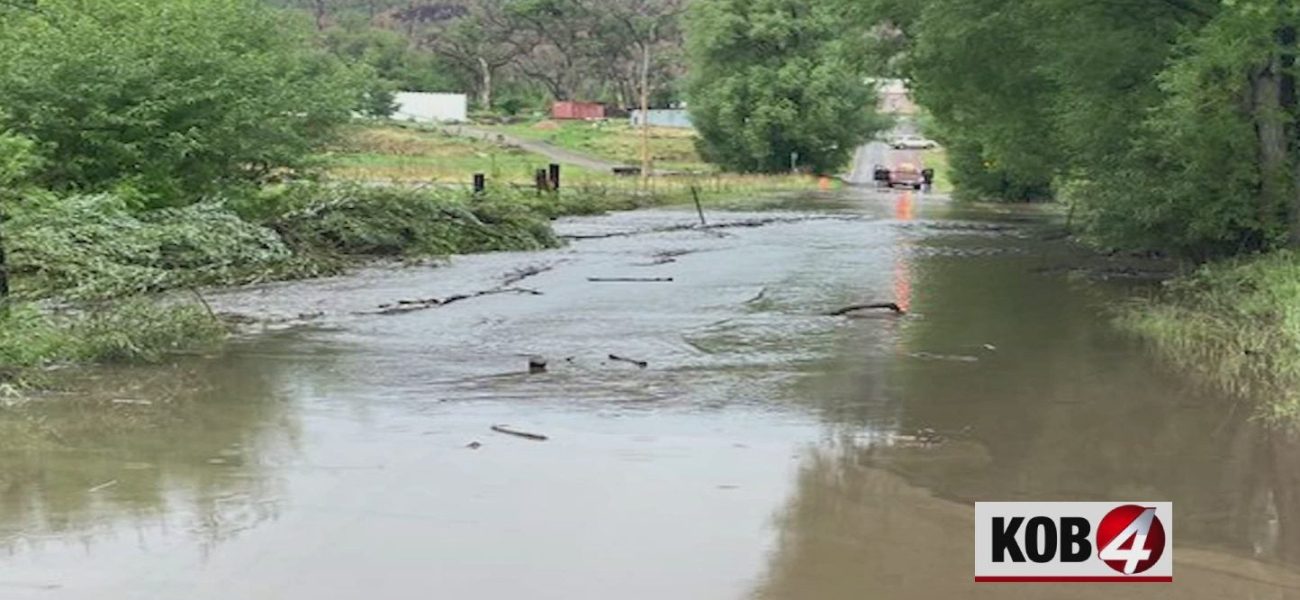
POLICY WIRE — RUIDOSO, N.M. — The scent of scorched earth still clings to the air around this mountain village, a brutal reminder of the inferno that recently tore through its beloved forests. Families are still sifting through ash, calculating what little remains, wrestling with the sheer weight of what they’ve lost. But just when they thought the worst might be over, a different, equally terrifying kind of deluge is threatening to complete nature’s cruel work. This isn’t just about heavy rain anymore; it’s about a landscape utterly incapable of defending itself.
Down in Albuquerque, the National Weather Service, probably fueled by extra-strong coffee, fired off a flash flood warning just after eleven yesterday morning. It wasn’t for some obscure, unpopulated stretch of desert. No, this warning screamed for the recently incinerated South Fork and Salt burn scars – the gaping wounds left by wildfires that devoured homes and hope. Think about that: from raging fire to roaring flood in a matter of weeks. The sheer absurdity of it would almost be funny, if it wasn’t so genuinely terrifying for the folks trying to live here.
Meteorologists, looking at Doppler radar, spotted thunderstorms absolutely dumping rain, especially over the Salt Burn Scar. Another one was brewing, building nasty energy, right over the South Fork area. This isn’t a gentle summer shower. We’re talking rapid, violent runoff over ground that’s been baked to an impermeable crisp. It can’t absorb water; it just sheds it, creating unstoppable walls of mud — and debris. And those walls? They’re heading straight for places like Ruidoso itself, Ruidoso Downs, Alto, Glencoe, — and Hollywood.
Local authorities are doing everything they can. “Just when folks were breathing a collective sigh of relief, figuring out how to rebuild, nature reminds us who’s really in charge,” stated Ruidoso Mayor Johnnie Sturm, his voice likely raw from weeks of emergency management. “It’s a cruel twist, — and we’re telling everyone: don’t gamble with these warnings. We can’t afford another disaster – financially, or in terms of human life.”
It’s a truly awful feedback loop, this dance between fire — and flood. The ground, now barren, lacks the vegetation that usually holds soil in place. So even a modest rainfall turns into a potential catastrophe. We’ve seen roughly 0.9 inches fall already, with the forecast calling for an additional 0.75 inches, enough to push this precarious situation past its breaking point. That’s a relatively small amount of rain producing outsized havoc.
Dr. Eleanor Vance, a senior hydrologist with the National Weather Service in Albuquerque, minced no words when she described the physics of it. “Burn scars aren’t just bare ground; they’re ecological wounds that don’t absorb water like healthy land. You get less than an inch, — and it’s rushing off, picking up everything in its path. These aren’t normal floods; they’re debris flows, carrying boulders, trees – whatever’s in the way.” Impacts are expected for the Upper Canyon, Brady Canyon, Perk Canyon, and several vital drainages like Cedar Creek and the Rio Ruidoso. They’re anticipating the kind of runoff that clogs culverts, collapses bridges, and reshapes riverbeds – all the stuff you absolutely don’t want happening to a community that’s already on its knees.
📄 POLICY WIRE WHITEPAPER PUBLISHED: PAKISTAN'S NATIONAL SECURITY POLICY PRIORITIES
👉 READ BY CLICKING HEREThe situation isn’t unique, unfortunately. Across the globe, from the monsoon-battered lowlands of Pakistan – a country grappling with its own cycles of intense drought followed by devastating, record-breaking floods – to the increasingly arid and then suddenly soaked American West, the narrative feels eerily similar. This isn’t just about New Mexico; it’s part of a wider, more volatile global climate pattern. For places like Ruidoso, the shift from one extreme to another means constant, expensive vigilance. And frankly, the infrastructure and mental fortitude of these small towns often aren’t built for this kind of relentless pressure. Just take a look at New Mexico’s weather patterns lately – it’s a masterclass in climatic mood swings.
What This Means
This isn’t merely a weather incident; it’s a gut-punch to a community’s already frayed recovery efforts. Economically, Ruidoso relies heavily on tourism, and lingering disaster imagery and recurring warnings certainly don’t draw visitors. Businesses are struggling, residents are displaced, — and now this. Policy-wise, it forces a hard look at post-fire management. It’s not enough to fight the fire; you’ve got to quickly implement mitigation strategies for the inevitable flood threat, something often underfunded or delayed. Local and state budgets, already stretched thin, will absorb costs for emergency services, infrastructure repair, and possibly relocation assistance. It raises broader questions about whether small towns, often in remote, fire-prone areas, can financially and psychologically sustain these repeated assaults. It’s a bitter truth that rebuilding, when your foundation literally washes away, takes on a new, crushing dimension. We’re talking years of recovery, potentially, all tied to the capricious whims of a changing climate. It forces hard choices about where people live — and how much taxpayers are willing to spend to protect them there.
For the moment, the residents of Ruidoso can only wait, watch the skies, and hope the mudslides don’t follow the fires’ path of destruction.