


Acquittal Rekindles Old Debates: Shopkeeper’s ‘Self-Defense’ Echoes Across a Divided Nation
POLICY WIRE — Charleston, SC — The quiet hum of a justice system at work often produces jarring echoes. Last week, a South Carolina jury delivered a verdict that, while legally tidy, punched a fresh...

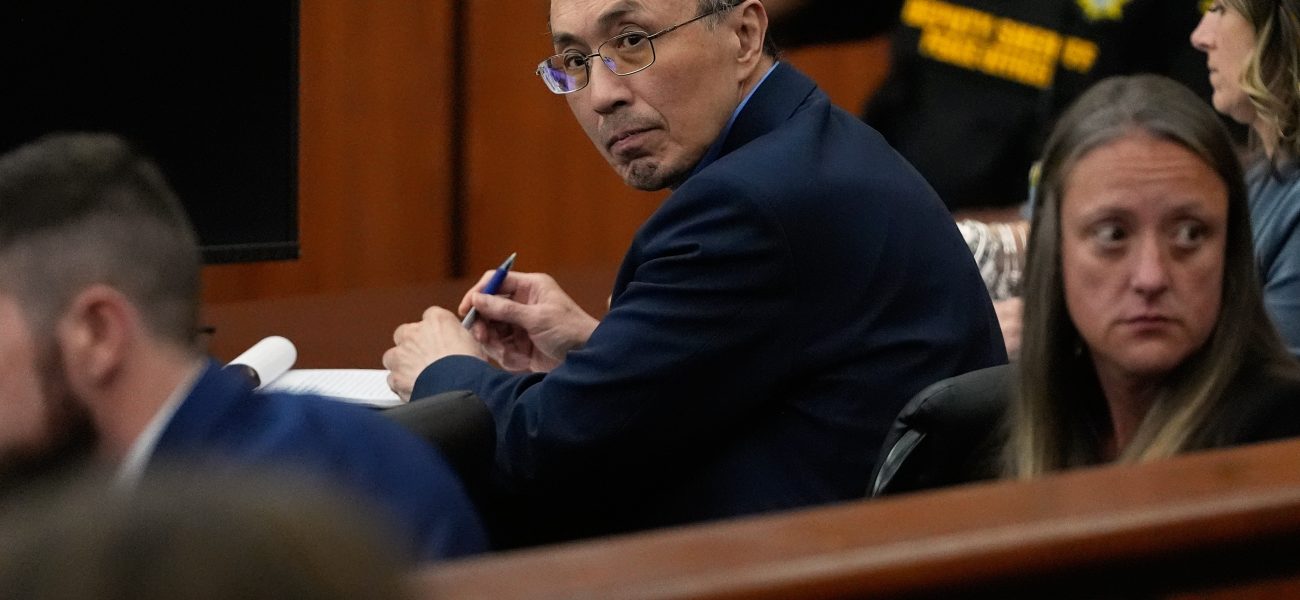
POLICY WIRE — Charleston, SC — The quiet hum of a justice system at work often produces jarring echoes. Last week, a South Carolina jury delivered a verdict that, while legally tidy, punched a fresh hole in an already fractured community conversation. A neighborhood shop owner, Salman Hussain (a common name in the large Pakistani-American merchant community, of course), walked free, acquitted of murder charges in the fatal shooting of a Black teenager caught on surveillance footage. This wasn’t just a local courtroom drama; it’s another deeply etched line in America’s enduring struggle to reconcile property rights, public safety, and systemic inequities.
It’s a chilling conclusion to a narrative that played out over months—the defense arguing pure, unadulterated self-preservation; the prosecution contending a young life was needlessly taken. The details were stark: 17-year-old Jamari White, unarmed, was shot by Hussain after an alleged altercation over merchandise. Hussain, 52, contended he feared for his life, his business—everything he’d built since immigrating here decades ago—was under threat. But for many, the ‘fear’ felt distinctly selective, the justice unevenly dispensed.
“We presented the facts as we saw them, and the jury made their decision based on the evidence presented,” stated County District Attorney Eleanor Vance, her voice devoid of inflection during a terse press conference outside the courthouse. “It’s never easy when a life is lost, and we respect the legal process, even when it’s painful for those who grieve.” A classic, non-committal legal response, wasn’t it? Just the kind you hear when the law is clear, but the outcome feels anything but just.
Because, for families like Jamari White’s, ‘the process’ delivered another blow. For them, it wasn’t about self-defense; it was about whether a Black teenager’s presence, perceived or otherwise, inherently warrants lethal force. Statistics from the Urban Institute, published in 2021, indicate a grim reality: in states with ‘Stand Your Ground’ laws (South Carolina being one), self-defense claims are successful significantly more often when white defendants kill Black victims (32.4%) than when Black defendants kill white victims (15.7%). That disparity isn’t just an academic finding; it’s the very air some communities breathe.
And you’ve got to wonder what lessons are absorbed beyond the courtroom walls. Folks like Mr. Hussain—part of the entrepreneurial diaspora, many arriving from places like Pakistan or Bangladesh, often opening up corner stores in neighborhoods other businesses have long abandoned—they’re caught in the middle. They’re running slim-margin businesses, facing everything from petty theft to violent crime, and often dealing with implicit biases. They arm themselves, sometimes out of a genuine, visceral fear. And then moments happen that force questions none of us want to answer.
“This verdict sends a harrowing message, not just to this community, but to every family of color in America,” observed Dr. Amina Khan, head of the Southeast American Civil Liberties Union branch, her voice thick with fatigue. “It reinforces the insidious belief that certain lives are simply more expendable, that the fear of a Black youth can justify their execution. We’ve seen this pattern for far too long, and it’s demoralizing, frankly.” She wasn’t holding back, nor should she have been. Her sentiment isn’t an isolated one.
The incident itself was over in seconds—a flurry of motion, then a sudden, irreversible silence. Hussain claimed the teen attacked him. White’s family said he was reaching for a fallen item. Surveillance footage, played repeatedly, remained open to interpretation, depending on where your heart and politics lay. But regardless of specific details, the fundamental question lingers: at what point does self-preservation become excessive force, especially when there’s a discernible racial dynamic involved? This isn’t unique to America, of course. Similar discussions around minority group profiling and the perceived validity of self-defense claims echo in European cities with large immigrant populations and, indeed, in South Asian nations grappling with their own inter-community tensions and perceptions of justice.
📄 POLICY WIRE WHITEPAPER PUBLISHED: PAKISTAN'S NATIONAL SECURITY POLICY PRIORITIES
👉 READ BY CLICKING HEREIt’s not just a debate over one case; it’s a constant re-litigation of perceived threats — and ingrained prejudices. The court of public opinion has rarely been so vociferous, so diametrically split, because for all the legal talk of ‘reasonable fear,’ there’s precious little agreement on what’s reasonable in this modern America.
What This Means
This verdict, predictably, intensifies the existing policy schism surrounding ‘Stand Your Ground’ laws and their application, especially in cases involving race. Politically, it empowers proponents of broad self-defense rights, offering new fodder for campaigns championing the unrestricted right to protect one’s property and person. But it just as equally galvanizes civil rights advocates and criminal justice reform groups, providing stark evidence—they would argue—of systemic biases embedded within legal interpretations of self-defense. For a detailed exploration of such entrenched societal divides, consider The Ghost of Louisville: A Decade On, Muhammad Ali’s Message Haunts a Divided America. It’s an election year, don’t forget. Expect this emotional powder keg to be thrown directly into legislative debates concerning gun control, policing, and judicial reform, drawing stark lines between ‘law and order’ adherents and those pushing for greater accountability and racial equity.
Economically, there’s a more subtle ripple. Small businesses, particularly in low-income or minority-majority neighborhoods, might face heightened scrutiny and community friction. While ostensibly protecting business owners, such verdicts can, perversely, deter investment or growth in areas already struggling to attract capital. Distrust—it’s a heavy price. local governments might find themselves pressured to allocate more resources to de-escalation training or community policing initiatives aimed at bridging gaps between residents and local establishments, implicitly acknowledging the verdict’s failure to soothe communal anxieties. And these aren’t cheap programs; they pull from already strained municipal budgets.
But the real long-term impact might be on social cohesion. When a jury’s decision is perceived as less about justice and more about reinforcing pre-existing biases, it erodes faith in institutions—not just the courts, but local government and community leadership. It tells a story that resonates far beyond South Carolina. These narratives don’t just stay put. They travel across state lines, across continents even, fueling broader debates on the perception of danger and the boundaries of lethal force within diverse societies, much like the delicate diplomatic dance explored in UK’s Tightrope Act: Diplomatic Charms Over China’s Moral Hurdles. It’s a conversation America can’t seem to stop having, — and frankly, this verdict won’t help.