

Madrid-Havana Air Link Snapped: Iberia Pulls Plug Amidst Cuban Economic Squeeze
POLICY WIRE — Madrid, Spain — It isn’t always the loud pronouncements that tell you where the wind’s blowing, sometimes it’s the quiet cancellations. You’ve got to look...

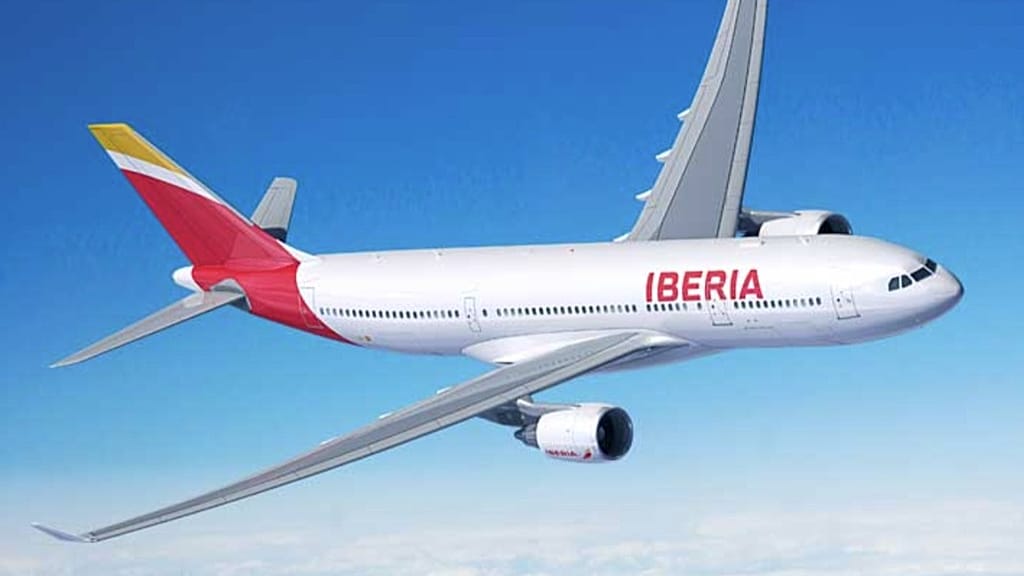
POLICY WIRE — Madrid, Spain — It isn’t always the loud pronouncements that tell you where the wind’s blowing, sometimes it’s the quiet cancellations. You’ve got to look closely at the scheduled flights—or, rather, the sudden absence of them—to truly grasp the nuances of international relations and faltering economies. Spain’s Iberia, not one for grand geopolitical gestures, just quietly, practically, put its direct Madrid to Havana route on ice until November.
It’s a move that feels less like a corporate decision — and more like a sigh. And it hits Cuba right where it hurts. For decades, Havana’s weathered embargoes — and revolutionary fervor. Now, it’s grappling with the humdrum reality of an airline saying, thanks but no thanks, for now. This isn’t about rhetoric; it’s about seat occupancy and the bottom line. The airline itself suggested the action was [QUOTE_PLACEHOLDER], a phrase that conveniently skirts the geopolitical mess while pointing directly at an unsustainable profit margin. When flights disappear, it’s not just vacation plans getting scuppered; it’s remittances, business deals, and cultural bridges suddenly becoming a lot harder to cross.
Insiders whispered of the factors at play: the ever-climbing price of aviation fuel, for one, that persistent thorn in any airline’s side. But you don’t ground a marquee route just for gas prices; there’s always more to it. There’s also the quietly acknowledged truth that passenger demand from Spain—a historic and natural partner for Cuba—just wasn’t cutting it. It makes you wonder what kind of calculus gets thrown onto a boardroom table when a state-sponsored carrier, even a formerly nationalized one like Iberia, decides that even historical ties aren’t enough to make a weekly trip economically sensible. A spokesperson went on record, flatly stating that the current market conditions simply don’t support the route’s viability at this time.
For Cuba, it’s another ding on a chassis already riddled with dents. The tourism sector, perpetually hyped as the island’s economic lifeline, has taken blow after blow. This Iberia announcement adds another layer of tar to an already sticky situation. Havana’s officials predictably aired disappointment, labeling the cessation [QUOTE_PLACEHOLDER]. They’re right, of course, it *is* a setback, but the sentiment barely scratches the surface of the underlying despair percolating through Havana’s tourist districts. They’re hurting.
What makes this particular cancellation sting is Madrid’s historical kinship with Havana. Spain is supposed to be the friend at the global banquet. When even *that* connection falters, it points to a deeper, more systemic problem. You’ve got to wonder what other dominoes are ready to fall. European bookings, per some tour operators, have seen a sharp decline in European bookings. That’s a pretty concise way of saying fewer people are buying tickets to see Fidel’s legacy or Hemingway’s old haunts. It’s a barometer of tourist confidence, — and it’s pointing south.
This isn’t an isolated incident, either. Various carriers have trimmed their Cuba services over the past few years, making what was once a relatively easy journey into a logistical puzzle. For the Cuban diaspora, particularly in Europe, it’s an added burden, an extra layer of cost and inconvenience that strains already frayed family connections. But really, it’s all tied back to a rather old problem: Uncle Sam’s continuing squeeze on the island economy. U.S. sanctions aren’t just for Americans anymore; they’ve a chilling effect globally, making anyone think twice about significant investments or even routine trade with Cuba. They certainly impact European companies indirectly, as they fear potential repercussions or just simply find the regulatory maze too onerous to navigate. Global banks, fearing US penalties, often become hesitant about processing transactions linked to Cuba, making even simple financial operations a nightmare for businesses and individuals alike.
📄 POLICY WIRE WHITEPAPER PUBLISHED: PAKISTAN'S NATIONAL SECURITY POLICY PRIORITIES
👉 READ BY CLICKING HEREWhat This Means
The Iberia pullout, despite the anodyne corporate messaging, isn’t just about an airline; it’s a stark geopolitical signal. It means Havana’s long-vaunted resilience is being stretched thin by an economy that simply can’t generate enough outward demand to sustain these lifelines. And it has ripple effects. For instance, countries in the Muslim world—places like Pakistan, often navigating complex geopolitical currents—they watch these events closely. The tightening of economic nooses, whether by design or by market forces, impacts perceptions of global economic stability and investment risk. It makes nations with perceived U.S. antagonists think twice, or thrice, about how robust their own economic partnerships are.
If a route connecting two culturally intertwined nations like Spain and Cuba can’t make it work, what does that say about the fragility of other less robust global connections? This particular cancellation implies Cuba is falling deeper into economic isolation, a process accelerated by its own internal economic policy woes and amplified by external pressures. And it’s not getting easier; Cuba’s foreign debt, for example, stood at an estimated $18 billion as of 2020, according to official government reports and economic analysis, an ongoing drain on its national resources. Such figures offer precious little room for maneuver. Without easier access for tourists, without robust trade, the island faces a more challenging future. For a world increasingly interconnected, these quiet disconnects can speak volumes.
It’s a tough lesson—you can preach ideology all day, but eventually, if the planes don’t fly and the tourists don’t come, your economy goes kaput. It makes Cuba’s desperate need for foreign currency look like a slow-motion car crash. And this time, nobody’s swooping in to pick up the tab or the passengers. For Havana, the coming winter, without those direct flights from Madrid, is bound to feel a lot colder.