


World Cup Dream, Sixth Tier Reality: New Zealand’s ‘All Whites’ Chase History, Defying Expectations
POLICY WIRE — Wellington, New Zealand — Tommy Smith, a defender for England’s Braintree Town, a club that just clawed its way back into the fifth tier of English football, is going to the World...

POLICY WIRE — Wellington, New Zealand — Tommy Smith, a defender for England’s Braintree Town, a club that just clawed its way back into the fifth tier of English football, is going to the World Cup. Think about that for a second. While giants of the global game fret over multi-million dollar talent, the economics of the modern game have seemingly bypassed a small corner of New Zealand’s national squad, which will soon take its improbable shot on football’s biggest stage.
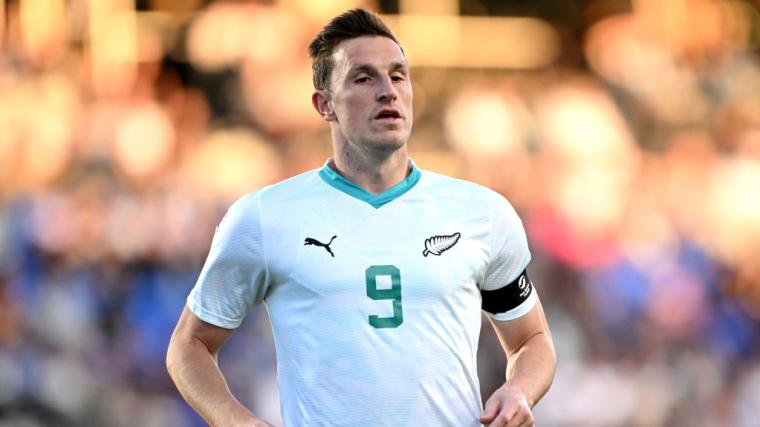
It’s an image that captures the quirky, improbable nature of New Zealand’s third-ever appearance at the FIFA World Cup finals. The All Whites, as they’re known, are heading to North America in 2026, armed with a roster that epitomizes the global sprawl of the sport—from Premier League striker Chris Wood to journeymen grinding it out in leagues few outside dedicated fans even follow. Their mission? To finally win a World Cup match, something they’ve never managed. And then, maybe, just maybe, make it out of the group stage.
Coach Darren Bazeley, an Englishman by birth but a New Zealander by calling, unveiled a squad designed less for individual brilliance and more for sheer, bloody-minded collective. There’s Wood, the recognizable name from Nottingham Forest, but Bazeley’s real genius lies in the chemistry. “He does bring — more so probably than any other player — that off-field experience and leadership,” Bazeley told Policy Wire, referencing Smith’s surprise inclusion. “He’s a bit of a cultural architect in regards to how he helps mould the environment. It’s not just about the 11 blokes on the pitch; it’s about making sure the entire ensemble clicks, even the ones who might not kick a ball.” That’s a diplomatic way of saying, ‘we need glue guys.’
Because the odds, frankly, aren’t great. New Zealand enters the tournament ranked No. 85 in the world by FIFA (April 2026 ranking), making them the lowest-ranked nation in the whole damn show. Their World Cup history consists of six matches played, zero wins, three draws (all from a surprisingly gritty 2010 campaign), and three losses. Four goals scored, 14 conceded. Those are the cold, hard numbers that paint a picture of an uphill struggle, but they don’t quite capture the spirit of a nation often overlooked on the global sporting map.
Their Group G opponents provide a fascinating geopolitical mosaic: hosts Canada, footballing Switzerland, and Middle Eastern powerhouses Iran and Egypt. For New Zealand, these matchups aren’t just about sporting glory; they represent a convergence of cultures, an exchange played out under the bright lights of international scrutiny. Imagine the headlines for a squad from Aotearoa – the Māori name, reflecting indigenous culture – holding their own against the might of the continent’s established footballing nations. And there are indeed plenty of nuances when geopolitics meets the pitch.
The fixture list isn’t pulling any punches. After a debut against Iran in Los Angeles, they face Egypt in Vancouver. These aren’t just football matches; they’re subtle, high-stakes dialogues. On the one hand, New Zealand aims to make its mark; on the other, Iran and Egypt represent footballing traditions deeply intertwined with their respective national identities and complex political landscapes. A win, or even a competitive draw, against either could resonate far beyond the sporting arena.
New Zealand Football Association Chief Executive, Maximo Tino, isn’t sugarcoating it either, but he certainly sees the bigger picture. “Our expectation is always to compete with pride, but we’re realistic. This is about national exposure, inspiring a new generation, and showcasing New Zealand’s commitment to global engagement through sport,” Tino remarked. “Every tackle, every pass will carry the weight of a nation often overshadowed, determined to prove it belongs.” It’s the kind of sentiment you’d expect, isn’t it? But it’s true all the same.
📄 POLICY WIRE WHITEPAPER PUBLISHED: PAKISTAN'S NATIONAL SECURITY POLICY PRIORITIES
👉 READ BY CLICKING HEREWhat This Means
The presence of a team like New Zealand—often referred to as ‘Aotearoa New Zealand’ to reflect its Māori heritage—at a global spectacle like the World Cup carries surprisingly potent political and economic implications, despite its underdog status. First, there’s the soft power. For a small nation, competing at this level offers invaluable brand exposure. Tourist boards, trade delegates, and cultural exchange programs often piggyback on such events, turning fleeting sporting moments into long-term diplomatic dividends.
Then, domestically, the ‘All Whites’ saga plays directly into national identity. A competitive showing can foster national pride, inspire youth participation in sports, and even subtly shift public discourse toward a more outward-looking perspective. It’s a collective narrative of resilience, a tale many governments would pay good money to cultivate. Economically, while a tiny market like New Zealand won’t move FIFA’s needle significantly, local sponsorship, merchandising, and the sheer consumption of football-related media see a bump. The qualification, itself, generates interest — and engagement. But realistically, the actual financial injection into the broader national economy remains modest; the return is mostly in that ephemeral but very real commodity: national morale. They’re not going to reshape the global order of football. But they’re there. And that’s something, ain’t it?
But the true value here isn’t in gold medals or transfer fees. It’s in the quiet subversion of expectation. It’s Tommy Smith, defender from the non-league, staring down a global superstar. It’s New Zealand, a country of just five million souls, daring to dream on a scale often reserved for football’s traditional heavyweights. And because, sometimes, the greatest stories aren’t about dominance, but about simply showing up, doing your damndest, and earning a sliver of respect against odds that seem astronomical.