


Aspiration’s Crumbling Facade: Greenwashing Scandal Rocks NBA, Jails Founder
POLICY WIRE — Los Angeles, United States — Forget the slam dunks and championship parades, for a moment anyway. Because while basketball’s elite contend for a title, a different, grittier battle...

POLICY WIRE — Los Angeles, United States — Forget the slam dunks and championship parades, for a moment anyway. Because while basketball’s elite contend for a title, a different, grittier battle played out in federal court this week, one with implications far beyond the hardwood. It wasn’t a trade deadline shocker that gripped the attention of those tracking the sport’s underbelly, but the unceremonious downfall of a man who promised to plant trees while allegedly reaping millions through deception. An erstwhile co-founder of Aspiration, Joseph Sanberg, was just handed a stiff 14-year sentence in federal prison—a sobering bookend to what prosecutors claim was a quarter-billion-dollar scheme.
Yeah, that’s right, 14 years. A real sentence for real white-collar crime. This isn’t just about an NBA team supposedly playing fast and loose with salary caps; it’s about the erosion of trust in the glossy world of ESG investing and, frankly, what you can really believe these days. Sanberg’s conviction for wire fraud—two counts of it, to be precise—comes as the NBA still pokes and prods its own investigation into the Los Angeles Clippers, trying to figure out if that particular team used Aspiration’s hefty endorsement deals to dodge league financial rules. The timing of Sanberg’s legal reckoning throws a particularly harsh light on the whole affair.
It’s a tangled web, this. You’ve got Sanberg pleading guilty, publicly regretting his missteps. He stood before the court — and stated, per ESPN, [QUOTE_PLACEHOLDER] And you can almost picture the contriteness. But that contrition comes on the heels of prosecutors alleging he defrauded investors and lenders to the tune of $248 million. A mind-boggling figure, even by Wall Street standards, isn’t it?
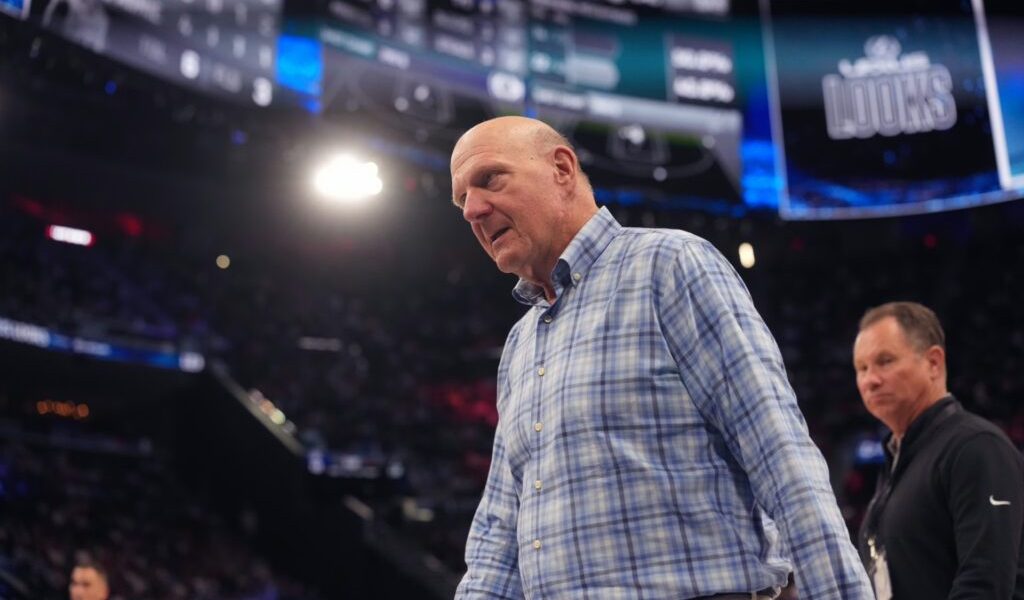
Then there’s Clippers owner Steve Ballmer, a man synonymous with big tech and bigger basketball ambitions, now caught in the crosscurrents. He’s claimed he was also a victim, that Sanberg duped him. Burry Dumps Cold Water on Trillion-Dollar Tech Dreams, and perhaps Sanberg did, too, in his own way. Ballmer reportedly poured $60 million of his own money into Aspiration, adding another layer of intrigue to the whole mess. In a public missive—social media, naturally—he relayed, “Aspiration’s founder, Joe Sanberg, engaged in fraud that injured many, and eventually, took the company down. I was duped and feel silly about that. Everyone who believed in Aspiration, including employees, customers and investors, was also duped.” He says it loud and clear.
The core of the Clippers’ specific problem hinges on a couple of eye-popping deals: a 23-year, $300 million endorsement pact with Aspiration announced in September 2021, and a subsequent $28 million deal with star player Kawhi Leonard in April 2022. Journalist Pablo Torre, who bagged a Pulitzer Prize for his reporting in May, suggested these deals were, in essence, a clever, if allegedly fraudulent, workaround to the NBA’s salary cap. He dug up legal documents and interviewed former Aspiration employees, shining a light on what many already suspected was going on. But hey, Ballmer — and his team consistently say they’re innocent. We’re still waiting on the NBA’s internal inquiry, with insider Ramona Shelbourne expecting results sometime after the playoffs, maybe July or August. Long game, it seems.
What we’ve got here is a stark reminder: even in the era of seemingly boundless wealth and cutting-edge financial engineering, the oldest tricks in the book — plain old fraud — still persist. And it’s a big deal. For investors in burgeoning economies, for instance, such high-profile cases of corporate malfeasance, especially when dressed in the garb of sustainability, resonate profoundly. In places like Pakistan or other emerging South Asian and Muslim-majority markets, where transparency is often perceived as a struggle and capital needs are enormous, trust becomes a foundational, incredibly delicate thing. When an alleged green-finance giant collapses in such a spectacular fashion in a seemingly regulated market like the US, it doesn’t just spook domestic investors; it sends ripples across global capital, making every promise, every shiny new initiative, appear just a little more suspect. It makes the pitch for foreign direct investment—essential for growth in these regions—that much harder. Because it’s one thing to hear about it; it’s another to see it play out.
📄 POLICY WIRE WHITEPAPER PUBLISHED: PAKISTAN'S NATIONAL SECURITY POLICY PRIORITIES
👉 READ BY CLICKING HEREWhat This Means
The Sanberg sentencing isn’t merely another entry in the annals of corporate crime; it’s a bellwether for how the market perceives the intersection of ambition, technology, and ostensible environmental consciousness. Economically, this chips away at investor confidence, particularly in the rapidly expanding—and often lightly scrutinized—ESG sector. There’s been a gold rush into sustainability, often without the due diligence of more traditional assets, making it ripe for exploitation. When you promise to plant trees but allegedly siphon funds, it tarnishes the whole green investing movement. And the political ramifications? Big, actually. Regulators here and abroad are watching, and you can bet legislative bodies are taking notes on how to clamp down on such deceptions. This type of scandal strengthens the hand of those advocating for tighter oversight on ‘green’ claims and corporate financial structures.
But the story also circles back to sports, obviously. The NBA is in a tough spot. Their investigation into the Clippers—essentially looking into whether Ballmer’s multi-million dollar deals were, shall we say, less than legitimate means to acquire talent outside the league’s designated financial constraints—is a high-stakes affair. If allegations prove true, it could lead to substantial penalties, perhaps even tarnishing the league’s carefully cultivated image of competitive fairness. For the players, the message is equally clear: the mechanisms surrounding their contracts, even if seemingly opaque and complex, will eventually come under scrutiny. It’s a legal whac-a-mole, really, but with billions at stake.
So, we’re not just talking about Sanberg losing his freedom here. We’re talking about a significant tremor running through the foundations of investor trust, the burgeoning ESG market, and the integrity of professional sports. It’s a bitter pill, particularly for those who genuinely champion sustainability, to see it co-opted and corrupted by avarice. And everyone’s watching, from federal prosecutors to NBA officials to small-time investors, because what just happened in that courtroom could set some seriously harsh precedents.