

Desert Deluge: When Too Much Rain Threatens New Mexico’s Fraying Infrastructure
POLICY WIRE — ALBUQUERQUE, N.M. — It’s a bitter paradox, isn’t it? For decades, maybe centuries even, New Mexico has etched its identity from the parched earth, a state perpetually—or so it...

POLICY WIRE — ALBUQUERQUE, N.M. — It’s a bitter paradox, isn’t it? For decades, maybe centuries even, New Mexico has etched its identity from the parched earth, a state perpetually—
or so it seemed—whispering prayers for rain. And now, suddenly, there’s an almost indecent amount of the stuff heading this way. Not the gentle, soaking kind the high desert thirsts for, no, but the kind that crashes down with little preamble, threatening to turn dry arroyos into churning nightmares.
It’s the quiet rumble beneath the surface that really grates, a low hum of unease. Not just about the coming storm, but what it exposes about a land barely keeping its head above a complex array of climatic, economic, and infrastructural challenges. The immediate concern? Forecasts that declare Heavy rain and flash flooding could hit eastern and central New Mexico Tuesday, with some spots getting more than an inch by Tuesday night. And that’s a lot, especially for ground ill-prepared to absorb it. [QUOTE_PLACEHOLDER]
Because the land here, after seasons of relentless dryness, turns slick and unforgiving when suddenly assaulted by a deluge. Instead of seeping in, much of that water just—it just runs right off, carving new paths of destruction. America’s fraying infrastructure, in particular, gets tested to its breaking point under such duress, its ancient culverts and roadways struggling to cope. We’re not talking about minor puddles; we’re talking about genuine danger.
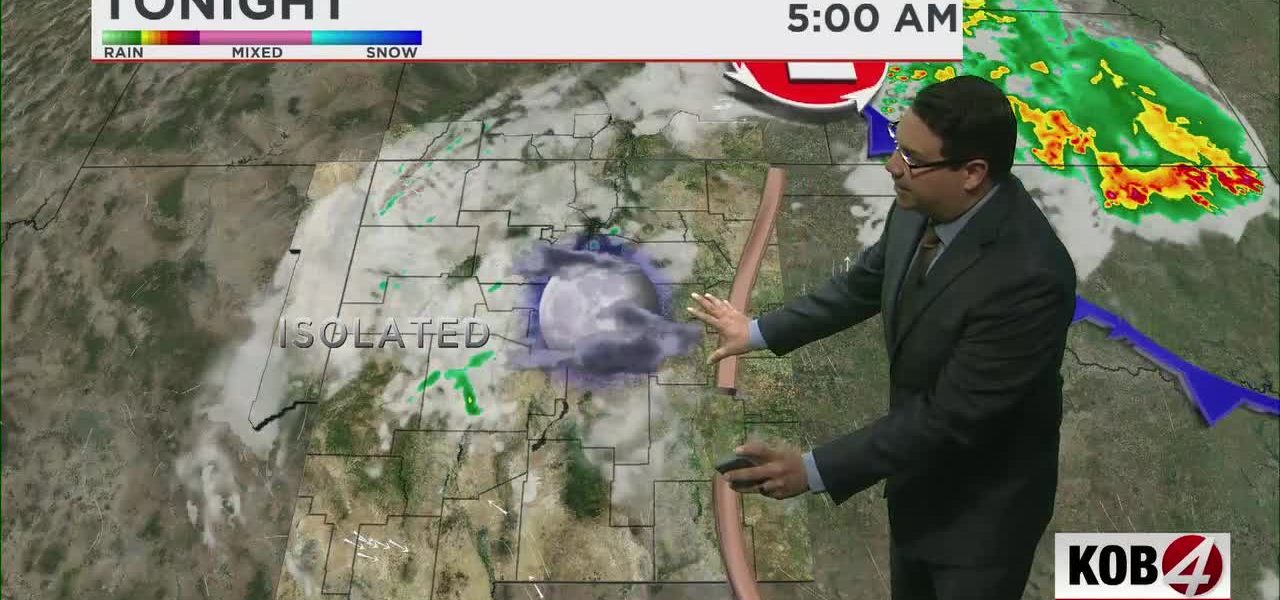
The instigator, they say, is Gulf moisture will keep moving into New Mexico overnight as a storm system deepens along the West Coast. Think of it: an atmospheric conveyor belt, sucking warmth and wetness from the Gulf of Mexico, then dumping it unceremoniously over an arid, often drought-stricken landscape. It’s a weather pattern that feels increasingly out of kilter with the historical norms of this sunbaked region. Isolated showers and thunderstorms will continue this evening across parts of eastern New Mexico, especially from Roswell to Clovis and Portales.
And what’s tricky about these desert downpours is their temperamental nature. Some of these storms may produce gusty winds with little rainfall, particularly along the western edge of the moisture plume. So you might get all the bluster — and none of the benefits. And then, a few miles down the road, you get hammered. It’s a capricious sort of meteorology, leaving everyone guessing — and unprepared. Overnight, low-level moisture will continue to increase across the eastern plains while clouds expand westward toward the central mountain chain.
It’s not just the immediate flood risk. It’s the broader implications. Farmers in eastern New Mexico, long praying for adequate moisture, now face the nightmare of fields being washed out. But because agriculture often operates on such tight margins, a sudden destructive flood can wipe out a season’s worth of effort, driving small operations into bankruptcy. According to the National Oceanic and Atmospheric Administration (NOAA), flood damages in the US average over $17 billion annually, a figure driven significantly higher by increasing severe weather events in unexpected locations.
📄 POLICY WIRE WHITEPAPER PUBLISHED: PAKISTAN'S NATIONAL SECURITY POLICY PRIORITIES
👉 READ BY CLICKING HEREYou know, in places like Pakistan’s Sindh province or parts of Balochistan, where agricultural livelihoods cling precariously to the annual monsoon cycle, this kind of unpredictability is—it’s just life. They too grapple with extreme fluctuations—from debilitating droughts to devastating floods, sometimes in the same season. Their rural populations, like New Mexico’s more sparsely settled areas, are particularly vulnerable. The infrastructure in those regions, often neglected, fails just as spectacularly, or perhaps even more so, amplifying the human cost. And yet, there’s rarely a ‘normal’ anymore. It’s always feast or famine, flood or dust.
Because climate change, whatever else you call it, is certainly making the world more interesting, meteorologically speaking. It isn’t just about rising temperatures; it’s about chaotic systems. Wet places get wetter; dry places face increased drought severity, but also—ironically—more intense rainfall events when moisture *does* break through. This creates a deeply frustrating cycle for planners — and residents alike. The desert simply isn’t designed to handle significant, sudden water influxes. Its dry, compacted soil can’t absorb it; its natural drainage channels (arroyos) become conduits of destruction, not beneficial water delivery systems. It’s like pouring a bucket of water onto a concrete slab, expecting it to disappear into fertile ground. It simply doesn’t work that way.
What This Means
The incoming storms aren’t just a weather report; they’re a sharp poke at the fragile underbelly of modern life in arid zones. Economically, even localized flooding translates to damaged roads, agricultural losses, and strains on emergency services. Consider the costs of repairs, the lost commerce, the psychological toll on communities that—let’s be honest—have other fish to fry than worrying about their homes turning into waterways. From an infrastructural standpoint, it’s a stark reminder that many public works, built for yesterday’s climate, simply aren’t robust enough for today’s extremes. We’re spending billions annually repairing what’s broken, instead of investing strategically in prevention and resilience.
Politically, the implications are more subtle, but they’re there. Each flash flood, each eroded section of road, chips away at public trust. It raises questions about infrastructure investment, climate preparedness, and whether local, state, and federal agencies are genuinely equipped to protect citizens from increasingly unpredictable natural events. It forces a conversation—however reluctant—about water policy, resource management, and climate adaptation, issues that transcend state lines and national borders. New Mexico’s brief, dramatic encounter with this much water will likely be an expensive, sobering lesson in a much larger, ongoing global tutorial. Just look at the battles over water rights, or the endless political wrangling over reservoir levels. When water is gold, its capricious movements aren’t just weather; they’re policy crises on the horizon. And these systems, they’re not just about local inconvenience. They connect to global lifelines, trade routes, and international stability. When nature misbehaves in one region, the ripple effect often travels further than anyone might expect, hitting supply chains or even national security concerns.