

New Mexico’s June Forecast: A Dry Mirage Amidst Rising Climate Stakes
POLICY WIRE — Albuquerque, New Mexico — It’s June in New Mexico, which for many implies the languid promise of summer, long days under an inescapable sun. But here, ‘summer’ carries a...

POLICY WIRE — Albuquerque, New Mexico — It’s June in New Mexico, which for many implies the languid promise of summer, long days under an inescapable sun. But here, ‘summer’ carries a different, more ominous weight, particularly for those staring down empty reservoirs and parched fields. We’re not talking about beach trips, but about the fragile dance with monsoon season, which is barely two weeks out and increasingly unpredictable. This isn’t just a weather report; it’s a symptom, a stark reminder of an arid state’s ongoing battle with a climate that just doesn’t care about our ‘normal.’ What we’re seeing unfold is a local microcosm of a global reckoning, playing out storm by storm, inch by elusive inch of rain.
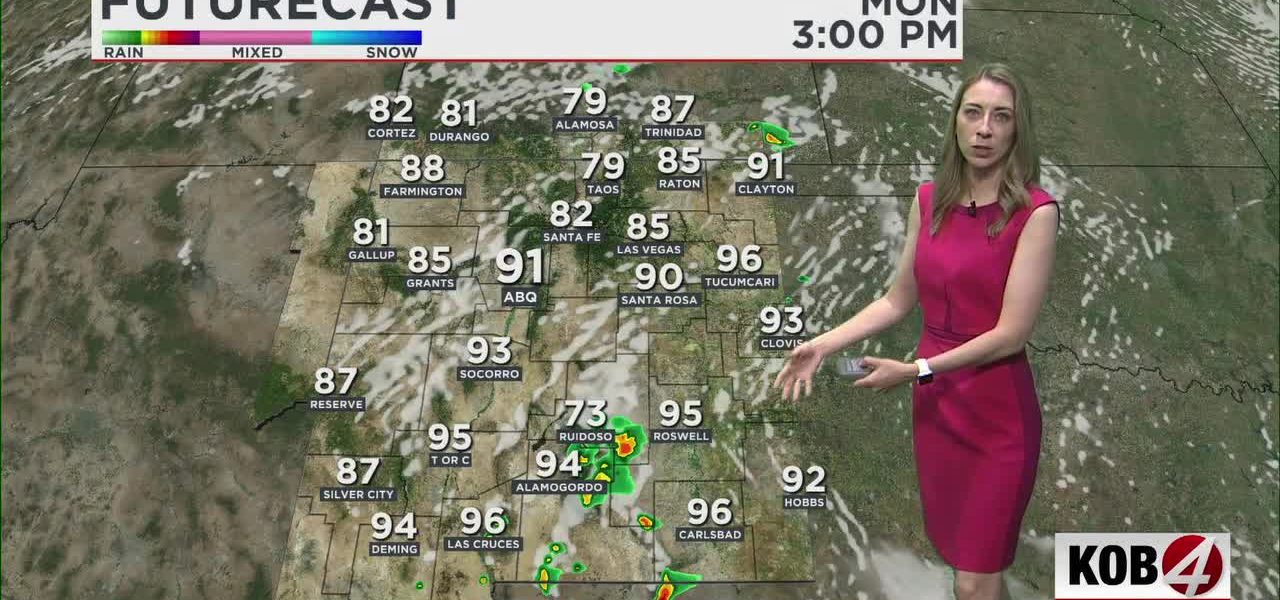
Take this week: the air feels hotter, several degrees above what folks used to call ‘normal’ for early June. The sky, it’s doing its usual act, painting itself with clouds from the southwest, inching east-northeast, teasing central areas with the promise of cover. Don’t get your hopes up too high for actual rain, though; that’s often a dry run. The real, and rather terrifying, event on the cards is the low-end risk of flash flooding—especially over those burn scars from wildfires. It’s a cruel paradox, isn’t it? Years of drought leading to tinderbox conditions, then a quick, intense burst of rain washes away a century’s worth of topsoil. They’re predicting perhaps a quarter-inch, maybe, if you’re lucky. Not everyone’s even getting that, just the gusty winds, those ‘dry downbursts’ that offer more drama than actual relief.
But the true policy implication here isn’t the passing shower, it’s the systemic challenge. “We’re managing for a twenty-first-century climate with twentieth-century expectations,” remarked Governor Michelle Lujan Grisham to reporters earlier this year. “The water we have today, it’s all we get. Our policies have to reflect that hard truth, not wishful thinking.” She’s not wrong. Every dry forecast, every anticipated flash flood over scarred land, it just pushes the issue further up the political agenda, rattling those delicate levers of resource management. And this is going on while most folks are just trying to keep their AC running and their lawns—well, what’s left of them—alive.
Tuesday and Wednesday offer better chances for more widespread precipitation, a relief that’s almost immediately dampened by an increased flash flood potential, particularly across eastern New Mexico. That part of the state sits at a ‘slight’ 2-out-of-4 risk, which for a land starved of consistent moisture, is saying something. There’s also the chance of strong, damaging winds and hail—just what agriculture needs. It’s an inconvenient truth that climate models now project a 20% increase in arid and hyper-arid lands globally by 2050, according to a recent report from the United Nations Convention to Combat Desertification. What New Mexico endures, others, often far less equipped, already know all too well.
Consider Pakistan, for instance. A land wrestling with its own, far deadlier, monsoon dramas. When the Indus swells beyond measure or agricultural lands desiccate under prolonged heat, it’s not merely a local catastrophe. It sparks internal displacement, threatens food security for millions, — and can destabilize an entire region. We saw how easily that played out in their recent flood crises, washing away homes and livelihoods with breathtaking speed. It isn’t just about the sheer volume of water; it’s the timing, the intensity, the capricious nature of these events—a pattern becoming eerily familiar, even here, in a U.S. state. Policy Wire explored a similar struggle for resource stability in its piece on the geopolitics of resource scarcity in Asia, highlighting how seemingly localized environmental shifts cascade into international problems.
📄 POLICY WIRE WHITEPAPER PUBLISHED: PAKISTAN'S NATIONAL SECURITY POLICY PRIORITIES
👉 READ BY CLICKING HEREWhat This Means
This week’s volatile forecast underscores the intensifying political pressure on New Mexico’s leadership. Every drop of water, every acre of burn scar, feeds into a contentious debate about land use, resource allocation, and adaptation strategies. It’s no longer about simple conservation; it’s about existential shifts in how a desert state sustains its populace and economy. Think about the agricultural sector—the pecan growers, the chile farmers. Their livelihoods hinge on this rain, or lack thereof. And when a meager monsoon delivers punishing flash floods instead of steady, nourishing soakers, you’ve got communities facing economic ruin, with little recourse. It’s why you hear Senator Ben Ray Luján emphasize infrastructure, even on the national stage. “We’ve got to invest in resilient infrastructure—smart dams, efficient irrigation—to truly safeguard our communities against these escalating climate extremes,” he stated recently, highlighting a point often lost in Washington’s partisan din. But funding those kinds of projects, it’s an uphill battle, often met with skepticism from those who don’t face such immediate threats from a shifting sky. It reflects a bigger truth, that addressing localized climate impacts demands national, even global, will.
Because ultimately, these aren’t isolated weather events; they’re chapters in a longer story about our changing planet. A story New Mexico, like many other arid zones, is living, day by parched day. The political wrangling over water rights, the economic strain on an agricultural sector clinging to historical precedents, the environmental fallout of an ever-warmer climate—it’s all coming to a head, perhaps not with a bang, but with the dry whisper of wind through scorched earth.