

As Memorials Crumble, New Mexico Confronts Epstein’s Persistent Stain on Justice
POLICY WIRE — Santa Fe, N.M. — It happened again. Just weeks after its hopeful reconstruction, that makeshift memorial—a quiet assembly of stones, crosses, and heartfelt notes near Jeffrey Epstein’s...

POLICY WIRE — Santa Fe, N.M. — It happened again. Just weeks after its hopeful reconstruction, that makeshift memorial—a quiet assembly of stones, crosses, and heartfelt notes near Jeffrey Epstein’s infamous Zorro Ranch—was trashed once more. For a second time since January, somebody decided to erase the memory of those abused, a grim echo of how easily powerful men can make victims disappear, leaving only dust and unanswered questions. And while community members regrouped to rebuild, again, the state’s freshly minted Epstein Truth Commission prepares for its first public pow-wow, wrestling with a legal labyrinth that still seems rigged.
Because, really, what are we talking about here? Not just the ghosts of a convicted pedophile’s grotesque empire, but a fundamental breach of trust in the institutions meant to protect the innocent. This isn’t just about New Mexico; it’s a symptom of a larger rot, a worldwide pathology where money and influence frequently outweigh justice. A place like Santa Fe, with its sun-baked adobe — and spiritual allure, can still hide the darkest corners.
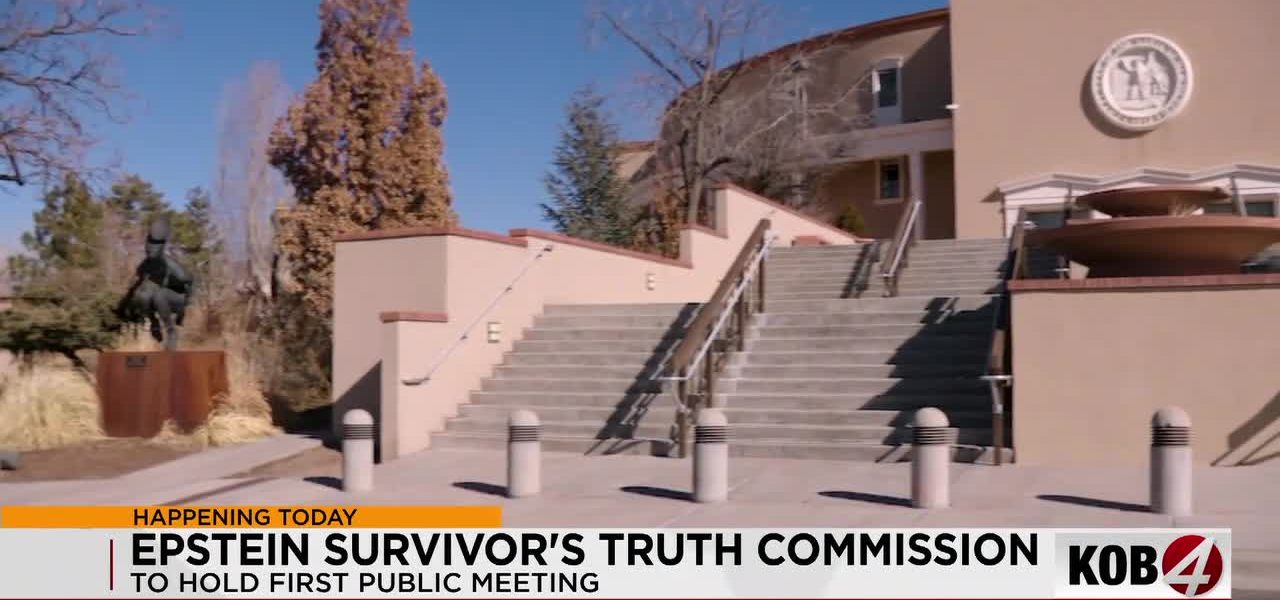
The Commission, chaired by State Representative Andrea Romero, is supposed to shine a harsh light into those corners. On Monday afternoon, they’ll gather at the venerable Roundhouse—or virtually, because it’s 2024 and even stark reckonings go digital—to pick apart the threads of legal inadequacy that allowed Epstein to operate with near impunity for so long. They’re tasked with figuring out what crimes, precisely, went unpunished, and what legal tweaks are needed to prevent another such nightmare. But let’s be honest, changing laws is the easy bit; changing hearts and the calculus of power, that’s another beast entirely.
“We’re not just looking at gaps in legislation; we’re dissecting a systemic failure,” Romero told Policy Wire, her voice tight with an urgency that’s almost palpable through the phone lines. “Victims were failed by every layer, and we owe it to them—to our state’s conscience—to fix it, even if it feels impossibly late.” She isn’t wrong. It feels like clawing back earth after an earthquake.
The task at hand is formidable, — and the stakes couldn’t be higher. This isn’t some academic exercise in legislative fine-tuning; it’s an agonizing confrontation with evil, institutional apathy, and the enduring trauma of survivors. Many argue that the mere existence of such a commission points to how utterly broken the system truly was. State Prosecutor Javier Montaño, who’s watched countless victims navigate New Mexico’s byzantine legal channels, offered a weary but firm assessment. “The statute of limitations often binds our hands more than any defense lawyer ever could. We’ve seen crimes of unspeakable cruelty slip through, not because we lack evidence, but because the law simply ran out the clock.” It’s a bitter pill to swallow: the clock, not justice, dictating the outcome.
📄 POLICY WIRE WHITEPAPER PUBLISHED: PAKISTAN'S NATIONAL SECURITY POLICY PRIORITIES
👉 READ BY CLICKING HEREAnd then there’s the broader landscape of child exploitation. Globally, it’s a shadow industry, thriving in the dark. In parts of the world, like South Asia, poverty and socio-economic vulnerabilities make certain communities – including within Pakistan – particularly susceptible to recruitment into trafficking networks, feeding into the kind of abhorrent behavior Epstein exemplified. These networks often span continents, proving that even seemingly localized atrocities have far-reaching tendrils. In fact, a grim report from the UN Office on Drugs and Crime revealed in 2020 that for every 100 suspected victims of human trafficking worldwide, less than 20 were successfully brought to justice.
But the commission isn’t just looking backward. It’s meant to blueprint a future where accountability, however belated, might finally catch up. They’re tasked with identifying what precisely falls outside prosecutable offenses under current statutes and recommending legislative fixes. They’re planning, plotting, drawing up work plans—the mundane machinery of government trying to grind through monumental wrongdoing. One has to hope it’s not too little, too late, for a story already etched so deeply into the state’s, and the world’s, consciousness. This kind of systemic failure often feels akin to the kind of moral vacuum that allows dubious diplomatic agreements to persist despite overwhelming criticism; it’s the cost of impunity rearing its ugly head, everywhere you look.
What This Means
Politically, the Epstein Truth Commission represents a significant—if awkward—attempt by New Mexico’s leadership to address a lingering moral and legal wound. Failure to produce concrete legislative recommendations and, more importantly, a tangible sense of progress for survivors could further erode public trust in government’s capacity to deliver justice against powerful perpetrators. For lawmakers, the reputational cost is high. Economically, while not directly impacting the state’s treasury in a grand sense, the saga serves as a somber reminder of the hidden social costs of allowing exploitation to fester—from psychological trauma to the erosion of community integrity. The repeated desecration of the victims’ memorial acts as a stark, on-the-ground protest, signaling that no matter how many committees are formed, until genuine, lasting changes occur, the specter of Epstein will continue to haunt.