

Hampshire’s Enduring Gamble: A Local Lad’s Lucrative Bet in a Shifting Sporting Economy
POLICY WIRE — Southampton, England — Another season, another contract signed, sealed, and delivered. The relentless grind of professional sport moves ever onward, doesn’t it? But beyond the...

POLICY WIRE — Southampton, England — Another season, another contract signed, sealed, and delivered. The relentless grind of professional sport moves ever onward, doesn’t it? But beyond the neatly packaged press releases and the smiles for the camera, these seemingly innocuous player deals often tell a deeper story—one about economic stability, youth pathways, and a regional identity clinging to its heroes in a market increasingly dominated by global capital and ephemeral fame. So, while Hampshire celebrates keeping Toby Albert, we’re left to ponder the delicate ecosystem of English cricket and its precarious position.
It’s official: Toby Albert, the promising 24-year-old wicketkeeper-batter, has committed his future to Hampshire until at least the end of the 2028 season. And, really, what else would he do? He’s a local lad, apparently ‘hugely proud’ to wear the badge. But you’ve got to ask yourself: is pride alone enough to hold talent when the lure of lucrative T20 leagues—the Indian Premier League (IPL), the Pakistan Super League (PSL)—beckons with sums that dwarf county salaries? It’s a calculation, isn’t it? A young man weighs his options.
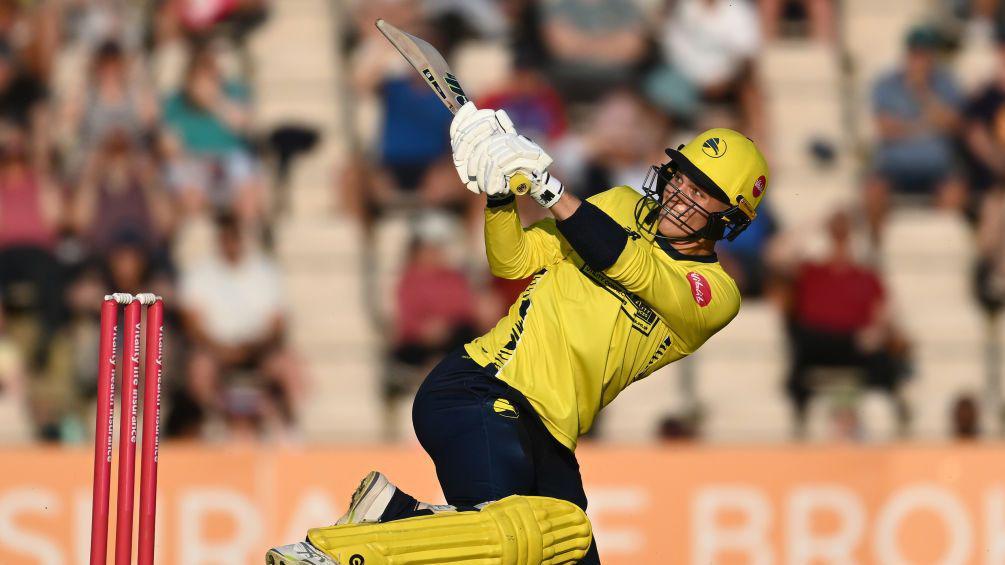
Albert’s recent form, mind you, isn’t something to sneeze at. He was the club’s leading run-scorer in the 2025 Vitality Blast. Albert, it’s worth remembering, chalked up a formidable 633 runs in the 2025 Vitality Blast alone, according to club records—a mark that led the league. Six half-centuries in a single tournament speaks volumes. And it’s this kind of raw performance that earns you a seat at the negotiating table, or more accurately, ensures the club doesn’t want you to leave it. They need runs. They need impact.
“I’m absolutely delighted to extend my time with Hampshire,” Albert told the club’s website, the enthusiasm almost palpable, almost certainly rehearsed. “This is my home club, — and I’m hugely proud to represent it.” Of course, he’s. That’s the narrative, — and a powerful one at that. Loyalty in modern sport—it’s a rare bird. But it’s also good business for a county aiming for stability in an era where player churn is constant, a consequence of smaller T20 competitions and franchise cricket springing up globally, offering players shorter-term, but more financially rewarding, contracts. Because stability, you see, matters when you’re building a long-term sporting brand.
Giles White, Hampshire’s Director of Cricket, echoed the sentiment, as expected. “He embodies everything this club stands for. He has come through our pathway, developed year on year, and his performances in last season’s Vitality Blast showed what he’s capable of,” White declared, perhaps with a subtle nod to the millions that could one day come Albert’s way from elsewhere. Keeping homegrown talent, preventing it from being poached by richer rivals or more exotic overseas leagues, is a constant struggle. But sometimes, a long-term deal is just plain recognition of a burgeoning force—and an attempt to ring-fence that talent, financially speaking, from a hyper-competitive global market.
Albert’s journey—from first-class debut against a Sri Lanka Development XI in 2022, to a maiden professional century against then-champions Surrey in 2024—illustrates the traditional English pathway. It’s a slow burn. No overnight millionaire status for most. But this multi-year commitment, pinning him down through 2028, provides not just personal security, but a message to the wider cricketing world. Hampshire isn’t just a feeder club. They’re investing, albeit in a measured, county-cricket sort of way.
For some, this commitment to local talent represents a bulwark against the homogenizing forces of international franchise cricket, where national identity often takes a backseat to team brand. While players from Pakistan and Bangladesh have, over the years, found invaluable experience in the English county game, such as Yasir Arafat playing for Sussex or Mohammad Amir for Essex, these engagements are often fleeting. Albert’s deal is a deeper dive into sustained local investment, providing a stark contrast to the transactional nature of much of modern professional sport.
📄 POLICY WIRE WHITEPAPER PUBLISHED: PAKISTAN'S NATIONAL SECURITY POLICY PRIORITIES
👉 READ BY CLICKING HEREHe’s made his mark in the shorter formats, but his prowess isn’t limited to the Vitality Blast. Five half-centuries in 24 List A matches suggests a versatile player, someone who can anchor an innings or accelerate when needed. It’s the kind of well-rounded game that global scouts often look for—even if Albert seems content, for now, to ply his trade in Southampton. Or so they’d have us believe.
What This Means
This multi-year contract for Toby Albert is more than just a sports announcement; it’s a telling signal about the ongoing battle for talent and identity within English regional sport. From an economic perspective, locking in a star performer like Albert—a product of the club’s own development pathway, no less—is a shrewd move to ensure long-term value, both on the field and potentially off it, in terms of brand loyalty and merchandising. It minimizes the risk of losing a promising asset to a rival county or, more importantly, to the far wealthier T20 circuits dominating cricketing headlines.
Politically (in the broadest sense of how institutions maintain power and influence), such deals affirm the continued—if sometimes precarious—relevance of county cricket. It’s a declaration that local development remains an economic force, even as the England and Wales Cricket Board grapples with the allocation of funds between Tests, ODIs, and The Hundred. These grassroots efforts provide the steady stream of players that ultimately bolster the national team. If you don’t grow your own, you’re reliant on expensive, often unpredictable imports.
it speaks to a broader cultural narrative: the value of ‘homegrown’ talent versus the ‘global free agent’. In an era of intense globalization, where sporting loyalties can seem transient, a player choosing to commit to his ‘home’ club offers a potent narrative of community and belonging. This isn’t merely about one player’s future; it’s about Hampshire’s strategy to stay competitive and maintain its unique identity within the ever-shifting landscape of global sport. It suggests that while money talks, sometimes the comfort of the familiar still shouts a little louder—for a time, at least.