

The Silent Exit: What James Milner’s Two-Decade Grind Really Says About Modern Football
POLICY WIRE — London, UK — Few phenomena underscore the brutal calculus of modern professional sport quite like longevity. It isn’t merely about talent, not anymore. It’s a calculated,...

POLICY WIRE — London, UK — Few phenomena underscore the brutal calculus of modern professional sport quite like longevity. It isn’t merely about talent, not anymore. It’s a calculated, almost industrial endurance, a defiance of statistical norms, which makes James Milner’s recent retirement less a gentle fade and more a sudden, sharp halt to an extraordinary 24-year professional tenure. This isn’t your grandad’s game; it’s an economic machine, and Milner, in his own understated way, was a particularly robust cog.
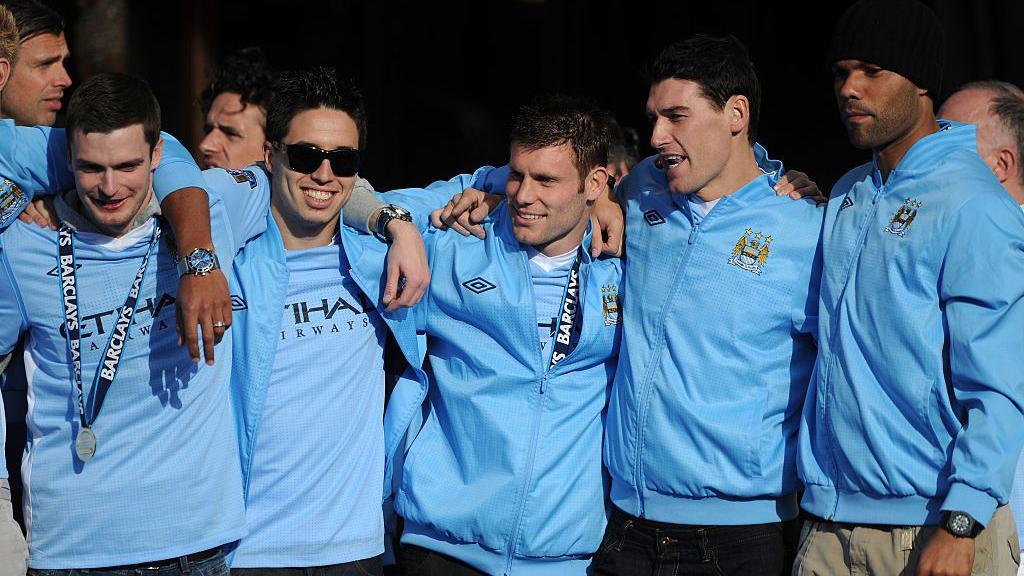
They call him ‘Mr. Reliable.’ Some dubbed him the ‘boring’ footballer. But to dismiss his quarter-century grind with such trivialities would be missing the forest for the blades of synthetic turf. Milner, 40, didn’t just play for six top-flight English clubs; he *endured* them. From a 16-year-old debutant at Leeds, morphing through Aston Villa, Manchester City – that £26 million deal a clear market signal back in 2010 – Liverpool, and Brighton, he was less a footballer and more a high-yield asset, adaptable to almost any positional demand the market (or manager) threw his way. Full-back, midfield engine, emergency winger—he did it all, collecting a veritable vault of silverware, including three Premier League titles and a Champions League winner’s medal, along the way. That’s a trophy cabinet, certainly, but also a balance sheet of consistent, top-tier performance.
His farewell Instagram post, predictably humble, hinted at the sheer toll. “Not being able to lift my foot last year”—a brief, chilling glimpse into the physical ravage required for such a career, quickly offset by his return to help Brighton qualify for Europe. It’s a story of constant reinvention, or perhaps, simply, unwavering utility.
“Milner’s career isn’t just an outlier for its length, it’s a textbook case in asset management,” remarked Dr. Arshad Khan, a senior analyst specializing in sports economics at the Karachi School of Business. “Most players see their market value peak — and then plummet, a brutal reality of physical decline. But Milner, he bucked that trend through sheer, bloody-minded versatility — and impeccable professionalism. Clubs saw a player who always delivered, never caused trouble. That’s a rarity in today’s mega-ego market, isn’t it?”
But the story doesn’t end on the British Isles. The Premier League’s financial behemoth relies heavily on its global audience, a reality that isn’t lost on power brokers from London to Lahore. And players like Milner, who epitomize the league’s famed competitiveness and gritty work ethic, unwittingly become cultural ambassadors. We’ve seen an exponential rise in Premier League viewership across South Asia and the Muslim world, driving billions in commercial revenue. Young fans in Islamabad or Jakarta aren’t just watching Ronaldo or Messi anymore; they’re engrossed in the entire ecosystem. They know the tireless workhorses, too.
“We’ve got to protect these types of players, the ones who embody what makes the Premier League so captivating globally: relentless effort, tactical intelligence, and unwavering commitment,” former English Football Association executive board member Eleanor Vance told Policy Wire. “Their contribution extends beyond goals or flashy assists; it speaks to the soul of the game, a narrative that resonates deeply with audiences even in places like Pakistan, where the sport’s popularity has surged by an estimated 35% in the last decade, according to FIFA’s regional market reports.”
📄 POLICY WIRE WHITEPAPER PUBLISHED: PAKISTAN'S NATIONAL SECURITY POLICY PRIORITIES
👉 READ BY CLICKING HEREBecause, ultimately, this isn’t just about a sportsman hanging up his boots. It’s about what his longevity—and his ultimate exit—tells us about the immense pressures, the calculated investments, and the global spectacle that’s modern football.
What This Means
Milner’s prolonged career highlights several critical economic — and sociological facets of contemporary elite sport. Firstly, it showcases the diminishing average career span in highly competitive, physically demanding leagues. Where 24 years was once exceptional, it’s becoming an anachronism; player contracts are shorter, turnover is faster, and the market ruthlessly dictates value based on immediate, peak performance rather than long-term consistency. But for the rare exceptions like Milner, their market worth shifts from star power to reliable, versatile, and, crucially, high-character contribution. Secondly, his journey underlines the Premier League’s extraordinary global appeal. This isn’t merely a European phenomenon. The consistent marketing, accessibility, and high-quality play foster immense fanbases in non-traditional football markets, turning local club rivalries into global brands. This sustained engagement translates directly into multi-billion-dollar broadcast rights, sponsorships, and merchandise sales, particularly potent in populous, youth-dominated regions like South Asia. Thirdly, it offers a stark lesson in the commodification of human performance. Players, no matter how decorated, are finite assets. Their careers have a tangible depreciation schedule, with each game, each training session, accelerating the inevitable end. Milner simply managed to delay his scheduled expiry date far longer than nearly all of his peers, a testament to his unique industrial-strength constitution.
So, yeah. To the fans, thank you, as he put it. But to the economists and strategists, Milner’s two-and-a-half decades were a masterclass in professional self-management within a brutal, hyper-capitalist sporting arena. And that, frankly, is a story far more compelling than just another retirement announcement.