

Beyond the Beautiful Game: When Friendly Fixtures Mask Deeper Global Stakes
POLICY WIRE — Geneva, Switzerland — Nobody watches the international break for the unvarnished truth. They watch it for fleeting moments of national pride, or maybe just to see if their club’s big...

POLICY WIRE — Geneva, Switzerland — Nobody watches the international break for the unvarnished truth. They watch it for fleeting moments of national pride, or maybe just to see if their club’s big earners survive a meaningless tackle without snapping an ACL. But what if these seemingly mundane matchups—Switzerland versus Jordan, the U.S. against Senegal—are less about football and more about a quiet, perpetual global ballet? What if the ping of a boot isn’t just sending a ball to the net, but sending a ripple across the economic chessboard of international sports?
It’s easy to dismiss them, these ‘friendly’ games. They’re exhibitions, really. A chance for coaches to experiment, for players to stretch their legs far from the grinding pressures of league play. But scratch beneath the surface, and you’ll find complex layers of soft power, economic positioning, and — dare I say — a delicate form of diplomatic outreach. These aren’t just footballers; they’re valuable assets, representatives of their club’s commercial might and their nation’s brand.
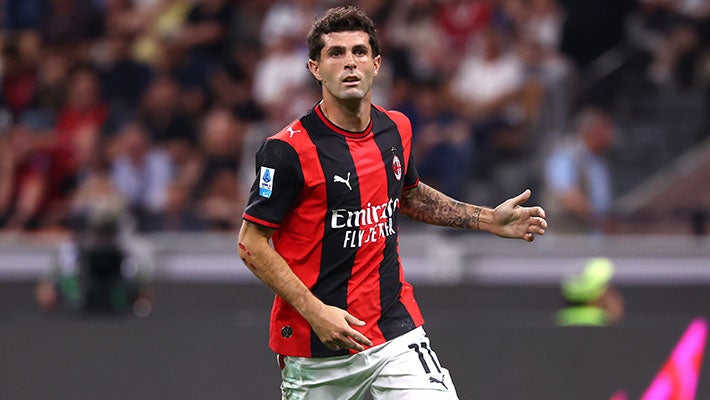
Take Christian Pulisic, AC Milan’s American dynamo. He’s always been an enigma, hasn’t he? Flashes of brilliance, then stretches of…well, quiet. But against Senegal, the ‘Captain America’ script flipped. He netted one, set up another in a quick-fire opener for the U.S. National Team’s 3-2 victory. For forty-five minutes, Pulisic was everywhere. You’d think the global marketing departments breathed a collective sigh of relief. And because, let’s face it, Pulisic isn’t just a player; he’s an entire economic ecosystem for both club — and country.
That particular match, USA vs. Senegal, offers a telling glance. Senegal, a Muslim-majority nation with a vibrant, football-mad population, often punches above its weight in international sport. Their players aren’t just playing for the shirt; they’re showcasing talent, seeking future club contracts, elevating their national profile. The global scramble for footballing talent, where Europe’s transfer markets morph into a high-stakes economic chessboard, isn’t limited to the elite.
“These international windows aren’t just about the points in a qualifier,” remarked Abdulrahman Aziz, a senior official with a prominent Gulf regional sports council, speaking to Policy Wire from his Dubai office. “They’re an invaluable shop window, especially for our players. A strong performance can mean more global attention, more investment back into our youth academies, a greater sense of national identity. It’s not just a game; it’s nation-building, sometimes.”
Meanwhile, AC Milan teammate Ardon Jashari joined Switzerland’s rout of Jordan, another friendly fixture that, on the face of it, seems inconsequential. But Jordan’s participation speaks to a desire for international engagement, even if it’s a 4-1 loss. Serbia’s Strahinja Pavlović, on the other hand, endured a dismal 3-0 defeat against Cape Verde. Sometimes, the soft power push doesn’t quite work out. The optics? Not great, definitely. It makes you wonder how much national pride—or shame—is tied up in what seems like casual competition.
📄 POLICY WIRE WHITEPAPER PUBLISHED: PAKISTAN'S NATIONAL SECURITY POLICY PRIORITIES
👉 READ BY CLICKING HEREThis dynamic extends far beyond these particular nations, of course. For countries like Pakistan, where football’s global appeal grows despite cricket’s traditional dominance, even indirect exposure to this global network of talent and money is significant. Local football federations in South Asia and across the Muslim world actively lobby for such high-profile friendlies or exposure for their young talent, knowing full well the economic and cultural capital that rides on a global stage.
But how much capital? A staggering sum. According to the Deloitte Football Money League 2023 report, the combined revenues of the top 20 revenue-generating football clubs for the 2021/22 season reached a record €9.2 billion. That’s an awful lot of shirts and broadcast rights flowing through the system, and even the smallest friendly plays a part in perpetuating that colossal market.
“We can’t just look at player transfers as isolated deals; they’re intricate financial instruments,” argued Dr. Elena Petrova, an expert on sports economics at the European University Institute. “A Pulisic goal doesn’t just score points; it shifts valuations, impacts sponsorship deals, and reverberates through entire national sports economies. We’re talking about real money, folks. Not Monopoly money.”
What This Means
This subtle, yet profound, economic and political undercurrent within international football friendlies points to a growing recognition among states: sport isn’t just entertainment. It’s a strategic asset. For developed nations, it’s a means of brand reinforcement — and commercial expansion. For developing economies, especially in regions like South Asia or the Middle East, it’s an escalator. A player’s rise to European stardom can mean remittances, national pride, — and global recognition. It isn’t merely about wins and losses; it’s about visibility. But it’s also about a quiet, persistent arms race of influence, where every kick, every save, every assist, adds a tiny fraction to a nation’s perceived standing—or, conversely, detracts from it. We’re seeing an ever-intensifying monetization of nationalism, plain and simple. And it’s not slowing down, no way. It’s speeding up. Because the global market demands it, you see.