


O’Neill’s Iron Fist: How Celtic Reclaimed Its Roar Amidst Glasgow’s Perpetual Fray
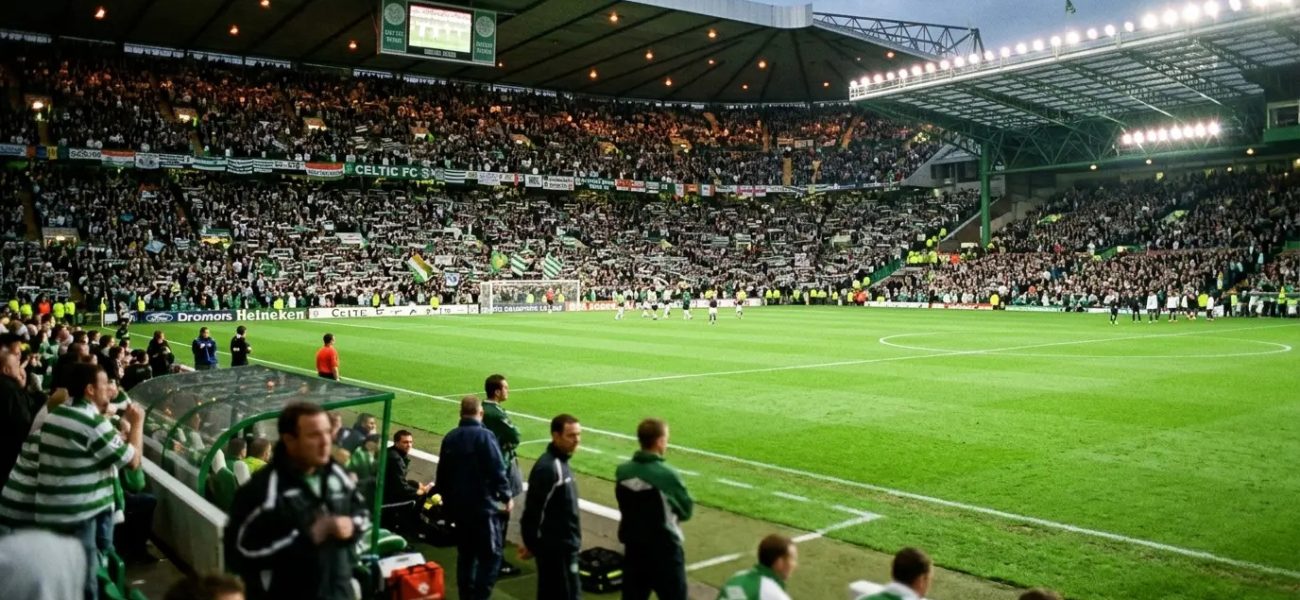
POLICY WIRE Glasgow, Scotland — There was this hollow ache around Celtic Park, a nagging doubt that had settled deep in the bones of its faithful. It wasn’t just about losing; it was about the...

POLICY WIRE Glasgow, Scotland — There was this hollow ache around Celtic Park, a nagging doubt that had settled deep in the bones of its faithful. It wasn’t just about losing; it was about the way they lost. It was about seeing a team wearing green and white hoops, packed with potential, but lacking that undeniable, unshakeable self-belief. For years, the club had been like a prize fighter with soft hands, delivering glancing blows when brutal uppercuts were needed. Everyone sensed it. A lack of genuine, visceral certainty.
Then Martin O’Neill arrived in the summer of 2000, not with a philosophical treatise on tactics, but with a palpable, almost terrifying, desire for victory. He wasn’t much for small talk, that man. And he certainly wasn’t going to let the pervasive gloom of perennial second-best infect his vision. His very presence—that steely glare, the barely contained intensity on the touchline—felt less like a managerial appointment and more like an emergency intervention. He was a force of nature, unyielding. But he was precisely what the club desperately craved, even if they didn’t quite know it yet.
This wasn’t some grand academic experiment. This was about stripping away the niceties, the polite defeats, — and installing a ruthless winning apparatus. Because, let’s be frank, that’s what competitive sports demand. “Look, they hired me to win. We weren’t there for tea and biscuits; we were there to work, plain and simple,” O’Neill reportedly told his players, early in his tenure. “Anyone who didn’t get that found the door. Fast.” His background at Leicester, dragging them into the Premier League’s mid-table brawl with scant resources, suggested he knew a thing or two about maximizing output.
The overhaul was swift — and without sentiment. Training sessions, once perhaps a bit too comfortable, became unforgiving gauntlets. Mediocrity, previously tolerated under various guises, became anathema. The transfer market? O’Neill didn’t just buy players; he acquired hardened combatants. Chris Sutton came from Chelsea for £6 million—a serious outlay for the time, meant to provide a sharp, abrasive foil for Henrik Larsson, who, let’s not forget, was only just back from a horrific leg break. Alan Thompson — and Joos Valgaeren followed, all of them picked for their mettle as much as their skills. These weren’t speculative gambles; they were targeted missile strikes.
The first league game of the 2000-01 season against Dundee United at Parkhead wasn’t some flashy, free-scoring spectacle. Celtic won 2-1. But it had a snarling edge, an unvarnished ferocity that had been conspicuous by its absence. Sutton, on debut, immediately clicked with Larsson, proving an uncanny, almost telepathic partnership. Even in Karachi’s bustling tea stalls, where discussions often swirled around Manchester United or Real Madrid, the tremors from Glasgow’s east end started to be felt. Why? Because people, regardless of geography, recognize a raw will to win.
📄 POLICY WIRE WHITEPAPER PUBLISHED: PAKISTAN'S NATIONAL SECURITY POLICY PRIORITIES
👉 READ BY CLICKING HEREAnd then came the season itself. A treble—the League, the Scottish Cup, the League Cup. Scottish Football Association records confirm O’Neill’s debut season ended with Celtic bagging the league title by a commanding fifteen-point margin over their Old Firm rivals. It felt like the ground had literally shifted. “The club needed a jolt, not just a new face,” reflected a long-serving board member, requesting anonymity to speak freely. “We gambled big on O’Neill’s proven ferocity. And it paid off—it really, really did.” He’d given the club more than just trophies; he’d returned its spine.
What This Means
O’Neill’s triumph at Celtic isn’t just a nostalgic footnote in football history; it’s a stark lesson in leadership within the globalized sports economy. In an era where vast sums often dictate success, his ability to transform a struggling giant through sheer force of personality and tactical astuteness offers a different playbook. It tells us that organizational culture—that often nebulous, sometimes neglected element—can be fundamentally rewired by a singular, focused vision. For clubs in less wealthy leagues, particularly outside Europe’s economic juggernauts, O’Neill’s approach showed that ruthlessness, smart recruitment, and an unwavering commitment to high standards could still punch above their weight. Managerial impact, even in our global, capital-driven game, remains an unquantifiable, potent force. And frankly, supporters worldwide, from the backstreets of Glasgow to the markets of Islamabad, respond to nothing less than authenticity. That grit, that tangible belief that you’re witnessing something real unfold, transcends spreadsheets and brand sponsorships every single time.
He laid the bedrock for Celtic’s audacious run to Seville for the UEFA Cup final in 2003, a journey unimaginable just three years prior. This wasn’t magic, you see. It was the grind, the uncomfortable conversations, the incessant pushing for more, the relentless demand for performance, every single day. A club’s identity isn’t just some abstract idea; it’s forged in these furnaces, under managers who refuse to accept less. And for five intense, often exhilarating years, Martin O’Neill was the master blacksmith.