


Shadow Games: Ukraine’s Energy Gambit Ignites Global Tensions, Denials Ring Hollow
POLICY WIRE — Kyiv, Ukraine — Forget the frontline slog—the real battlefield, it seems, has shifted, now encompassing power grids and fuel depots. It’s a colder, harder war, one fought not just...

POLICY WIRE — Kyiv, Ukraine — Forget the frontline slog—the real battlefield, it seems, has shifted, now encompassing power grids and fuel depots. It’s a colder, harder war, one fought not just with shells, but with economic pressure points. The latest escalation isn’t about captured trenches; it’s about flicking off the lights in Russia’s energy heartland, forcing a reconsideration of just how high the stakes really are for everyone involved.
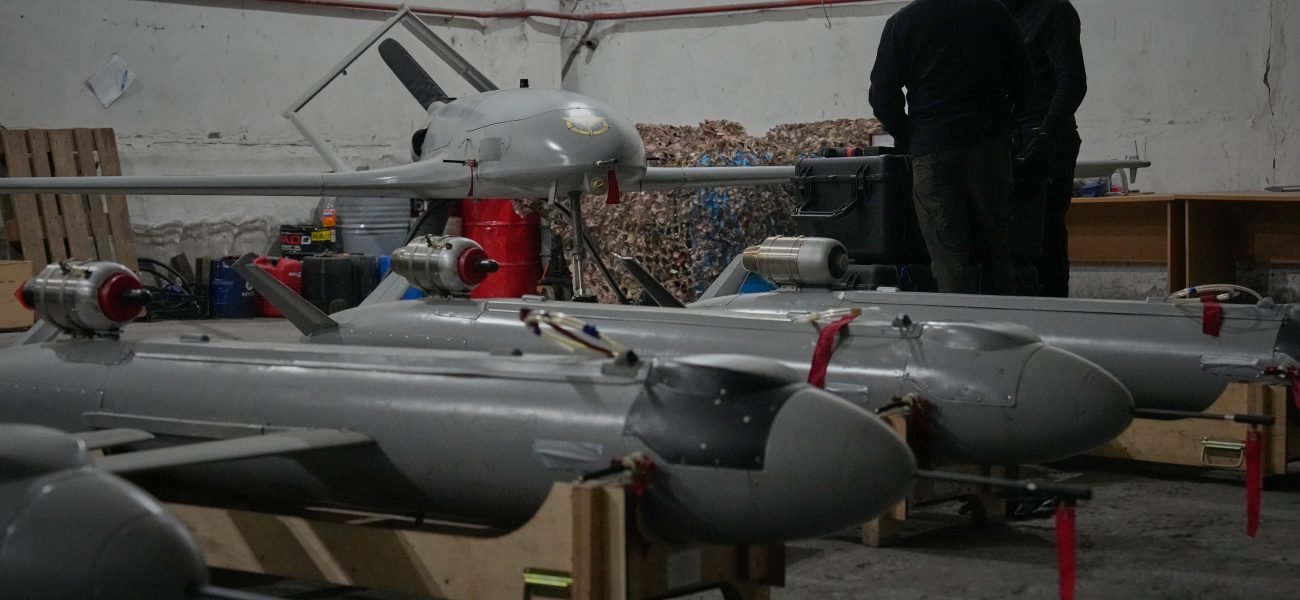
Kyiv’s recent, increasingly brazen assaults on Russian energy facilities have certainly got Moscow’s attention. We’re talking refineries burning bright in the dead of night, oil storage depots turning into infernos—strategic hits designed, ostensibly, to hobble the Kremlin’s war machine. And let’s be frank, it’s not exactly subtle messaging. They’ve been quiet about specific targeting, but the impacts are loud enough. But then there’s the other side of the coin: the strenuous, almost theatrical, denials.
Because while Kyiv is happy enough to take credit, or at least let the implications hang heavy, for the energy strikes, they’re dead set on distancing themselves from anything touching a nuclear power plant. The official line from Ukrainian government circles remains firm: [QUOTE_PLACEHOLDER], sources confirm. They’ve gone out of their way to ensure no one mistakes tactical pressure for an apocalyptic gambit. This carefully choreographed dance between admission — and repudiation is fascinating, don’t you think?
But the whispers persist. After all, the fog of war is thick enough to obscure any number of truths, inconvenient or otherwise. And in this particular theatre, with a Kremlin-occupied nuclear facility potentially at risk—a place Russia uses, by many accounts, as a shield—any incident could quickly spiral out of control. It’s a dangerous game of ‘he said, she said’ with radioactive stakes.
From Kyiv’s perspective, these energy strikes are a pragmatic, if brutal, response. A direct attack on the very revenue streams funding the invasion. The goal? Simple: make the war too expensive, too painful, for Russia to continue indefinitely. And because they’re being hit where it hurts financially, the hope is that Putin’s regime will finally buckle under the mounting economic pressure, rather than the military setbacks on the ground. Community drives biodiversity shifts, but government actions often follow financial incentives.
Meanwhile, the global impact of this particular flavour of conflict is immense. Take Pakistan, for instance, a nation already navigating a complex web of economic challenges and energy security concerns. Fluctuations in global oil and gas prices, directly influenced by regional instability and, crucially, by Russian supply shocks, hit nations like Pakistan particularly hard. Every percentage point rise in energy costs can mean higher inflation, increased trade deficits, and greater hardship for its 240 million citizens. The intricate ballet of energy politics in Eastern Europe doesn’t just play out in distant news reports for them; it impacts the price of roti and petrol on their streets.
The situation isn’t getting any simpler. One anonymous senior intelligence official, speaking on background, observed: [QUOTE_PLACEHOLDER]. They noted the distinct tactical shift—a recognition that Russia’s deeper vulnerability isn’t its military might alone, but the economic edifice supporting it. This isn’t just about blowing up a few tanks; it’s about trying to bleed the giant dry, penny by painful penny. This strategy aims to create internal discontent and erode public support, something difficult to measure, but certainly felt.
📄 POLICY WIRE WHITEPAPER PUBLISHED: PAKISTAN'S NATIONAL SECURITY POLICY PRIORITIES
👉 READ BY CLICKING HEREAnd let’s not forget the propaganda angle. Russia has been quick to amplify any hint of nuclear threat, painting Ukraine as reckless, despite the overwhelming evidence pointing to Russia’s own aggressive military posture around such sites. But such is the nature of information warfare in the digital age, isn’t it? Because in this conflict, narrative control often feels just as important as territorial control.
Recent reports suggest that Russian oil refining capacity has been significantly affected. For instance, data analyzed by Reuters in early March indicated that at least 14% of Russia’s refining capacity had been idled by drone strikes. That’s a solid chunk of production, directly impacting both domestic supply — and export potential. It’s hard to spin that away completely.
But then, Kyiv isn’t claiming innocence on every front. When it comes to those high-profile refinery hits, well, they aren’t exactly saying, ‘Oh, that was just a clumsy accident.’ The strategic message, in these cases, is delivered clearly. There’s an unapologetic edge to it. We’ve seen Ukraine’s Foreign Minister say: [QUOTE_PLACEHOLDER]. It speaks to a broadening of targets and a more aggressive posture designed to push back against a superior military force through asymmetric means. It’s a calculated gamble. Like watching Tokyo’s Defence Minister walk a tightrope, Kyiv is maneuvering its own precarious balance.
What This Means
This evolving strategy by Ukraine signals a deep pivot, from solely defending territory to actively degrading Russia’s economic and logistical lifelines. It’s a classic application of asymmetric warfare, where a weaker power seeks to exploit the vulnerabilities of a stronger one. Economically, fewer refined petroleum products mean less fuel for Russia’s military and potentially less hard currency for its coffers, creating a feedback loop of constraint. Politically, these strikes, coupled with steadfast denials about nuclear facilities, present Kyiv as both strategically astute and responsibly cautious—a narrative they’re keen to project to Western allies concerned about escalation. For the wider Muslim world, and particularly energy importers in South Asia like Pakistan, the direct implication is continued volatility in global energy markets. Any threat to Russian output, even perceived, contributes to higher fuel costs and exacerbates domestic economic woes, impacting everything from transport to food prices. It further entrenes the current geopolitical realignments, pushing nations to diversify supply chains and re-evaluate their international allegiances in the face of ongoing instability. Essentially, it means continued unease and a strategic tightrope walk for everyone watching—and participating—in this high-stakes game.