


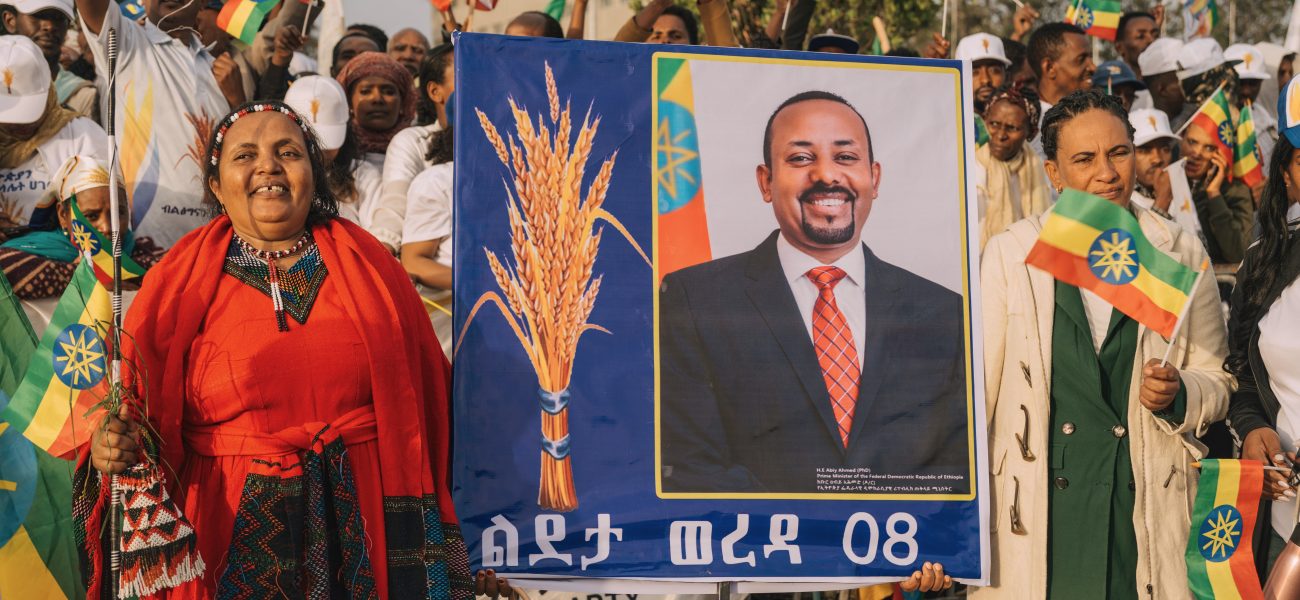
Ethiopia’s ‘Mandate’ Amidst Murmurs: A Ballot Box Farce?
POLICY WIRE — Addis Ababa, Ethiopia — The buzz of campaign rallies isn’t what typically announces a moment of national destiny. Not really. In Addis Ababa, it’s a muted hum, a low thrum of...

POLICY WIRE — Addis Ababa, Ethiopia — The buzz of campaign rallies isn’t what typically announces a moment of national destiny. Not really. In Addis Ababa, it’s a muted hum, a low thrum of anticipation tempered by something far more sinister: a gnawing exhaustion. You see it in the streets, in the weary smiles, the hurried glances. Ethiopians, ostensibly, are heading to the polls again, but it’s hard to shake the feeling it’s less a grand democratic exercise and more a perfunctory nod to legitimacy.
It’s an election, they tell us. And for all the official proclamations of democratic progress, folks here—and those observing from a cautious distance—can’t quite forget the country’s north. Tigray. The word hangs heavy. Millions are still displaced, struggling for food, a proper place to call home. Some say this election isn’t about choices at all, it’s just about confirming a foregone conclusion. Abiy Ahmed, the man who once earned a Nobel for peace—a cruel irony, isn’t it?—is set to continue his reign. He’s consolidated power; no surprises there. We’ve seen this show before, haven’t we?
“This election marks another crucial step towards the unified, prosperous Ethiopia we’re building, free from divisive narratives,” Prime Minister Abiy Ahmed declared recently, his voice steady, projecting confidence that probably doesn’t mirror the full, ragged truth on the ground. “It’s about stability, development, — and the future our people deserve.” A good speech, sure. But rhetoric doesn’t feed hungry children or bring back lost peace.
Because, well, it’s a rough time. The campaign rhetoric often dances around the glaring realities: economic strains, the lingering trauma of conflict, and a deeply fractured political landscape. Genuine opposition? It’s scarce, suppressed, or simply hasn’t got the resources—or the nerve—to make real waves. Many prominent opposition leaders — and activists find themselves sidelined, if not outright imprisoned. The landscape isn’t exactly fertile for budding democratic alternatives, is it?
Critics, those brave enough to speak up, they’re just shaking their heads. “Calling this an election is an insult to democracy,” shot back Dawud Ibsa, a veteran opposition leader often marginalized in Ethiopia’s political theater. “With thousands still displaced, political prisoners detained, and fundamental freedoms stifled, what exactly are we voting for? It’s just a show, designed to rubber-stamp the current power structure.” He’s not wrong. The government controls pretty much everything—media, public assembly. It’s tough for an opposing message to cut through.
The sheer number of displaced people alone tells a story. According to the United Nations Refugee Agency (UNHCR), as of early 2024, approximately 2.9 million people remain internally displaced across Ethiopia, largely due to ongoing conflict and violence. You can’t exactly run a free and fair election when nearly three million of your citizens are trying to survive in makeshift camps. How do they vote? Who ensures their franchise?
📄 POLICY WIRE WHITEPAPER PUBLISHED: PAKISTAN'S NATIONAL SECURITY POLICY PRIORITIES
👉 READ BY CLICKING HEREThis pattern, where elections are more about spectacle than choice, isn’t unique to the Horn of Africa. One sees parallels in other regions striving for, or struggling with, democratic processes, often under the shadow of entrenched power. Countries like Pakistan, for instance, have their own checkered history with military influence and ‘managed’ democracies, where outcomes are frequently decided before a single ballot is cast. The illusion of choice becomes the political play here, whether in South Asia or the dusty plains of East Africa—it’s a grand illusion for the masses, orchestrated by a few at the top. The form of democracy is there, but the spirit, it seems, has packed its bags.
And what about the outside world? Donors, partners, they watch, mostly quiet. They might offer vague statements about democratic norms, but rarely is there the kind of pressure that truly shakes the foundations. International engagement often feels more like a strategic tightrope walk, balancing human rights concerns with regional stability and anti-terrorism efforts. They need Ethiopia; Ethiopia knows it. It’s a transaction, frankly. Maybe that’s why we’re not seeing robust external calls for a truly fair fight.
What This Means
Ethiopia’s election isn’t merely a domestic affair; it’s a barometer for regional stability in the already volatile Horn of Africa. A largely uncontested victory for Abiy Ahmed’s Prosperity Party, while ensuring a facade of continuity, probably won’t heal the deep ethnic and political rifts that have led to devastating conflicts. Economically, this ‘stability’ might attract some foreign investment—investors usually like predictability, even if it’s authoritarian predictability. But for the average Ethiopian, the systemic issues remain. They’re stuck with a political system that prioritizes centralized power over genuine representation, stifling long-term development. Because real economic growth, sustained over time, often hinges on transparency — and accountability. That, unfortunately, feels like a distant prospect right now, lost somewhere between a ballot box — and a bayonet. This state of affairs, one where the appearance of democracy supersedes its substance, could easily lead to continued resentment, potentially igniting fresh pockets of conflict down the road. Engine trouble ahead, one might say, only it’s not about oil, but something much more fundamental to a nation’s health.