

Hollywood’s Cold Shoulder: The Unseen Costs of a Celebrity Blackout and a Former President’s Marquee Revival
POLICY WIRE — Washington, D.C. — The silent phone call. That’s how it often begins, or rather, doesn’t begin. Not with a bang, but with the quiet, calculated decline of an invitation....

POLICY WIRE — Washington, D.C. — The silent phone call. That’s how it often begins, or rather, doesn’t begin. Not with a bang, but with the quiet, calculated decline of an invitation. It’s a dance Hollywood and the political sphere have performed for decades, an intricate ballet of endorsements and strategic absences. This week, it looks like a whole orchestra got the memo, leaving a glaring, celebrity-shaped void at what was poised to be a star-studded gala.
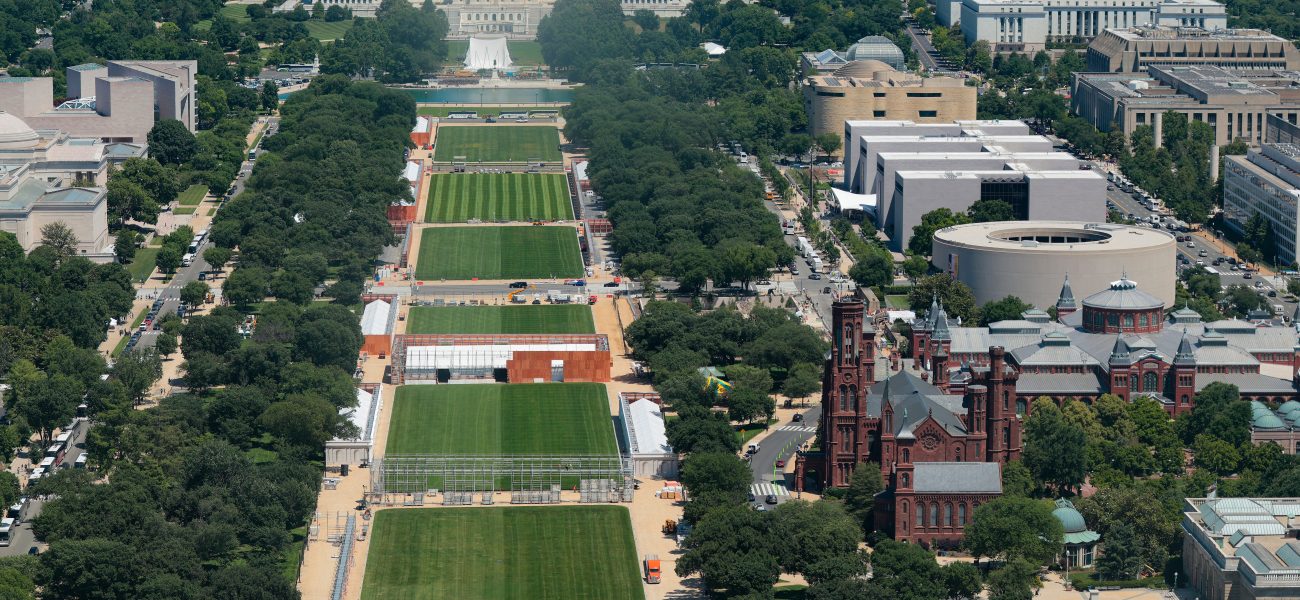
It wasn’t supposed to play out this way. Usually, these sorts of grand affairs—events designed to evoke national pride, maybe pump up some philanthropic effort—can draw an impressive roster. You know, the kind of names that sparkle on red carpets — and sell out arenas. But when the lineup for the anticipated Freedom 250 event started to crystalize, it became apparent that the A-list wasn’t just busy; they weren’t answering the invites. Because, well, some things are bigger than appearance fees or even goodwill. [QUOTE_PLACEHOLDER]
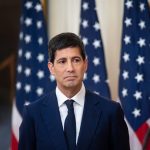
And then came the predictable counter-move, as effective as it’s polarizing. Former President Donald J. Trump, ever the master of reclaiming a stage, announced he will headline Freedom 250 event. No pop star required. No cinematic legend needed. Just the man himself, ready to fill the vacuum left by a celebrity class unwilling to associate. It’s less about a concert, isn’t it, — and more about a declaration? A realignment of entertainment with political loyalty, plain — and simple.
This whole spectacle feels less like a conventional charity show — and more like a referendum on cultural alignment. Big names want nothing to do with it. Other big names—and by big names, we mean the big name—are thrilled to take over. You can see the fault lines from orbit, can’t you? One side of the cultural aisle giving the cold shoulder, the other side welcoming their figurehead as a substitute for… well, actual entertainers.
Because that’s the deal with modern celebrity culture. It’s a powerful, often unpredictable, force, its allegiances capable of swaying public opinion faster than a dozen policy papers. These entertainment figures, regardless of their political expertise—or lack thereof—hold disproportionate sway. Their choices, especially collective choices like a mass snub, speak volumes. But then, doesn’t Trump’s willingness to step in also speak volumes about the evolving nature of political campaigning and outreach?
This isn’t just an American phenomenon. Think about how entertainers — and sports figures can sway narratives across continents. In Pakistan, for example, celebrity endorsements, particularly those tied to philanthropic endeavors or national causes, can generate enormous public support or, conversely, create backlash. It’s not uncommon to see a famous cricketer or singer’s presence elevate a political rally to a near-festive event, blending nationalism with idol worship, not unlike how a former President might command a similar fervent crowd here, albeit with a different flavor of rhetoric. Political rallies across South Asia often double as cultural events, featuring popular figures to galvanize support.
📄 POLICY WIRE WHITEPAPER PUBLISHED: PAKISTAN'S NATIONAL SECURITY POLICY PRIORITIES
👉 READ BY CLICKING HEREAnd what’s it say when the celebrity equivalent isn’t an A-lister, but a former occupant of the Oval Office? It’s not just a concert. It’s a mirror. A reflection of the ever-widening chasm in American cultural — and political spheres. It’s less about music — and more about a perceived allegiance. A public statement of what, or who, you won’t endorse, implicitly or explicitly. About half of U.S. adults (49%) reported following politics and government news very or somewhat closely in 2022, according to the Pew Research Center, a figure that continues to oscillate based on salient events and figures like Trump, indicating an audience highly attuned to such political-cultural statements.
This isn’t an isolated incident, either. We’ve seen this pattern emerging for years now. The political alignment of cultural icons has become almost as scrutinized as their box office numbers or album sales. It’s a new layer of vetting for public figures, an extra hurdle or a unique opportunity, depending on your leanings.
So, the Freedom 250 event won’t have the glittering presence of Hollywood’s elite. Instead, it gets the indelible, uncompromising presence of a former President. It’s a shift. A symbolic substitution. A performance nonetheless, just a different kind of show entirely. The stage is still set. The spotlights will still blaze. But the act will be pure, unadulterated political theater, sans the musical interludes.
What This Means
This lineup reshuffle for the Freedom 250 event—the public snub by mainstream entertainers and Donald Trump’s immediate ascendancy to headliner—isn’t merely a programming change; it’s a bellwether for America’s fragmented political culture. Economically, this type of event, now overtly partisan, likely foregoes significant mainstream sponsorship or large-scale, diverse audience ticket sales, leaning instead on dedicated, ideological support. This narrows its economic base but intensifies loyalty from its committed demographic. The optics are stark: one camp of celebrities leveraging their cultural capital to oppose, while Trump exploits a perceived vacuum to amplify his own brand, proving once again his unmatched ability to command attention and loyal adherents. It indicates a further entrenchment of parallel cultural economies—one catering to a more progressive, broadly liberal consumer base, and the other consolidating around conservative values and figures. We’re seeing political identity morph into a lifestyle choice, where even concert attendance becomes a tribal marker. In the global arena, such events feed into narratives about American disunity and ideological battles, echoing similar cultural splits observed in various Muslim-majority nations, for instance, where popular figures must carefully navigate their endorsements between traditional religious authorities and Westernized influences, often with considerable political implications. The messaging is clear, both domestically — and internationally: culture is increasingly, perhaps irrevocably, political.