


Ancient Silences, Modern Demands: Inca Mummy’s Homecoming Spurs Global Heritage Debate
POLICY WIRE — Salta, Argentina — Some things just don’t belong on display. Not forever, anyway. Especially not a child, entombed for half a millennium, a silent witness to a faith — and an...

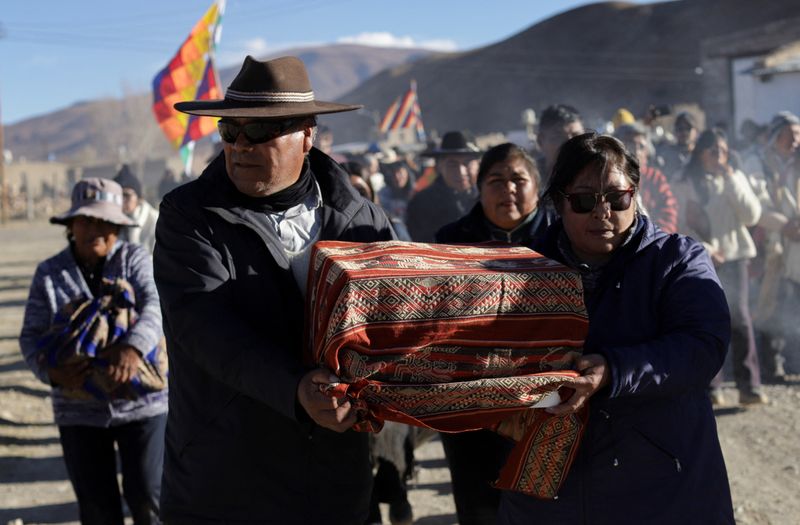
POLICY WIRE — Salta, Argentina — Some things just don’t belong on display. Not forever, anyway. Especially not a child, entombed for half a millennium, a silent witness to a faith — and an empire long since crumbled. A long-dormant quest, quiet but insistent, recently reached its natural—some would say inevitable—conclusion here in Argentina’s northern highlands, where the 500-year-old remains of a child, a sacred messenger of the Inca civilization, finally came back home. Its journey, an odyssey spanning centuries of slumber and decades of scientific scrutiny, caps a quiet, but pointed, rebuke to past practices of cultural acquisition.
It’s a story far removed from headlines about financial markets or electoral horse-trading, yet it speaks volumes about modern global dynamics. You see, this wasn’t merely a transfer of an object; it was a repatriation of spiritual significance. This particular mummy, known to researchers and the Wichi indigenous community alike as a capacocha — a child offered in Inca rituals — had been held far from its ancestral lands for decades. But now, it’s back. And what a statement it makes, doesn’t it? [QUOTE_PLACEHOLDER]
For years, a small band of scientists — and indigenous representatives quietly but persistently made their case. They weren’t just asking; they were demanding a reconsideration of how these delicate remnants of vanished civilizations should be handled. We’re talking about more than just museum pieces, they argued—these were ancestors, integral to the living traditions of today’s descendants. They’d spent a good chunk of time in museums, cataloged, analyzed, sometimes gawked at, stripped of their original context and dignity. The mere thought of it — it’s enough to give you pause, honestly.
But the tide is shifting, isn’t it? That shift became glaringly clear with this particular case. This return isn’t an isolated incident. It’s part of a growing, global momentum, where historical injustices surrounding cultural property are slowly but surely being addressed. In a striking echo, recent data compiled by the Art Law Foundation shows a 25% increase in cultural property repatriation claims filed globally between 2018 and 2023, signaling an accelerating movement towards reckoning with colonial-era acquisitions and unethical archaeological finds. It’s a trend that many countries, particularly those in the Global South, are watching very closely indeed.
For a country like Pakistan, where ancient Gandhara Buddhist artifacts or Indus Valley Civilization relics are sometimes found abroad under questionable circumstances, this Argentinian development feels less like an isolated curiosity and more like a signpost. Pakistan, with its rich tapestry of millennia-old cultures, has its own complex relationship with historical preservation and foreign acquisition. Think of the intense cultural reverence shown for relics of Prophet Muhammad’s family or other revered saints within the broader Muslim world—objects not just of historical interest but of profound spiritual weight. The idea that such artifacts might be treated as mere curiosities in foreign lands, rather than returned to communities that cherish them as part of their living heritage, resonates deeply. It underscores the universal clamor for respect — and self-determination over one’s own past.
This whole situation — it really highlights a much broader, thornier question: who truly owns the past? Is it the archaeologists who dig it up? The museums that display it? Or the direct descendants, the communities whose very identities are forged in its fires? The answer, increasingly, isn’t about legal technicalities alone; it’s about ethics, reconciliation, and acknowledging historical wounds that run deep. You can’t just slap a price tag on a community’s soul, can you?
📄 POLICY WIRE WHITEPAPER PUBLISHED: PAKISTAN'S NATIONAL SECURITY POLICY PRIORITIES
👉 READ BY CLICKING HEREAnd so, after decades in a facility—its exact location often undisclosed for reasons of security and, frankly, perhaps a dash of professional reluctance to let go—this particular child is back in the Earth it sprang from. Its return isn’t just about the Inca; it’s about a conversation finally happening across continents and cultures, challenging the long-held doctrines of collection and ownership that museums, and indeed nations, have clung to. It’s about more than just bones and preserved flesh; it’s about acknowledging the unbroken spiritual thread that connects present-day communities to their ancient forebears.
But make no mistake; this wasn’t some quick handshake agreement. Years of meticulous negotiation, sometimes fraught with tension, paved the way. Imagine the legal wrangling, the academic debates, the quiet lobbying—all for one small, ancient child. It proves that sustained pressure, coupled with a growing global awareness, can move mountains. Or, at least, can move very old, very fragile mummies.
What This Means
The repatriation of the Inca capacocha isn’t just a win for indigenous rights advocates in Argentina; it signals a tectonic shift in global cultural policy and its economic undercurrents. Politically, this trend empowers indigenous groups and nations in the Global South, affirming their sovereignty over cultural patrimony and pushing institutions in former colonial powers to confront their collections’ origins. It’s not just a feel-good story; it’s a political act of decolonization, influencing diplomatic relations and strengthening national identities. We’ll see more bilateral agreements, and possibly multilateral conventions, prioritizing cultural restitution over traditional museum acquisition. It’s a loud declaration: the days of collections assembled without clear ethical provenance are numbered. And this certainly isn’t an argument you win simply by having more exhibit space.
Economically, the implications are two-fold. Firstly, there’s the impact on institutions that have historically benefited from showcasing these items—think European or American museums built on colonial-era acquisitions. Their future collections might look significantly different, impacting their visitor numbers and, therefore, their revenue. Secondly, the recipient nations stand to gain. While a single mummy might not instantly transform Argentina’s tourism sector, the cumulative effect of repatriated artifacts can bolster cultural tourism, create jobs in heritage management, and strengthen national and regional economies rooted in their unique cultural offerings. It shifts the economic power dynamic of cultural preservation from a few dominant institutions to a broader network of origin nations. It’s not cheap, but the payoff for cultural sovereignty? Priceless, some would argue.