

Ghana’s ‘Family Values’ Bill Sends Ripples, Exposes Global Fault Lines
POLICY WIRE — Accra, Ghana — The Ghanaian capital, for all its boisterous market cries and perpetual hum of commerce, felt a peculiar silence descending last week. Not one of mourning, but of...

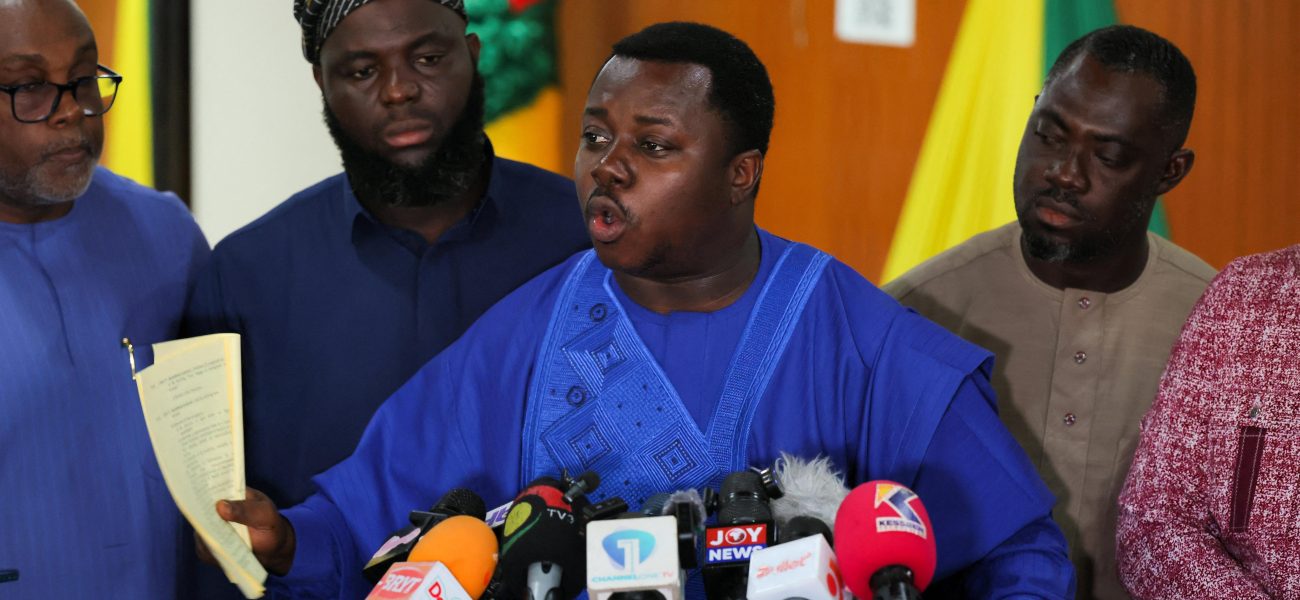
POLICY WIRE — Accra, Ghana — The Ghanaian capital, for all its boisterous market cries and perpetual hum of commerce, felt a peculiar silence descending last week. Not one of mourning, but of apprehension. Below the surface of everyday life, a significant ideological fault line, simmering for years, finally erupted. Ghana’s parliament—the legislative engine of a nation often lauded as a democratic torchbearer on a continent prone to upheaval—chose to lean hard into deeply entrenched social conservatism, passing a draconian anti-LGBTQ+ bill. It wasn’t merely a legislative act; it was a defiant shout heard far beyond the West African coast.
For weeks, foreign policy wonks — and development economists had eyed the situation with a mix of dread and resignation. Would Accra succumb to external pressure, or would it double down on its perceived ‘family values’? The answer, it turns out, was a resounding ‘no’ to the former. The Human Sexual Rights and Family Values Bill, as it’s tellingly dubbed, targets individuals identifying as LGBTQ+ and their allies, prescribing jail time for sexual acts, same-sex marriage, and even the public promotion of LGBTQ+ rights. A sweeping indictment, really.
But this isn’t some back-alley policy squabble. This is a deliberate reassertion of national identity, however contentious. And it brings with it real, tangible consequences. Because, make no mistake, while a vocal segment of Ghanaian society champions this legislation, the international community’s response has been swift and scathing. Foreign aid—a not insignificant lifeline for developing nations—now dangles precariously. It’s a calculated gamble on Accra’s part.
Speaker of Parliament Alban Bagbin, a key proponent, wasted no time framing the passage as a victory for tradition. “We answer to our conscience, our traditions, and our God,” Bagbin declared with an air of unshakeable conviction shortly after the vote. “External pressures won’t dictate the moral fabric of our society. This isn’t just a law; it’s a reaffirmation of who we’re.” A fine sentiment for local consumption, no doubt. But for international partners? Not so much.
Diplomatic circles in Brussels — and Washington have already begun the expected hand-wringing. But one U.S. State Department official, speaking anonymously due to the sensitive nature of ongoing internal discussions, put it more bluntly: “This legislation isn’t just inhumane; it’s economically foolish. It pushes Ghana further from global standards — and jeopardizes the very partnerships it needs for development. You can’t attract foreign investment by alienating human rights—it just doesn’t compute.” Strong words, if predictable.
Ghana, a country that received over $2 billion in Official Development Assistance (ODA) in 2022 according to OECD data, can’t easily dismiss such warnings. That money isn’t just symbolic; it builds roads, stocks hospitals, — and educates kids. It keeps the lights on, literally — and figuratively.
📄 POLICY WIRE WHITEPAPER PUBLISHED: PAKISTAN'S NATIONAL SECURITY POLICY PRIORITIES
👉 READ BY CLICKING HEREAnd then there’s the broader narrative. While Western nations fume, some parts of the globe view Ghana’s stance through a different lens. Many countries in the Muslim world, including Pakistan and Indonesia, maintain their own strict laws against homosexuality, rooted in similar interpretations of religious texts and traditional family structures. For these nations, Ghana’s move isn’t an anomaly, but rather a reaffirmation of shared — if socially conservative — values. It exposes a fascinating, uncomfortable truth: global human rights norms, as interpreted by the West, aren’t universally embraced, and nations are increasingly willing to push back, even at a cost. It’s almost as if international law isn’t a one-size-fits-all garment, which for policymakers often feels less like an insight and more like a permanent headache.
The situation isn’t unprecedented, of course. For instance, concerns over human rights often surface when discussing global supply chains and foreign investment in nations where social freedoms are curtailed. Remember the recent fuss over tech investments in certain Asian hubs? Neural networks don’t much care for human rights violations, but the investors behind them often do, at least publicly. This bill positions Ghana in a growing cohort of nations prioritising a conservative social agenda over perceived Western liberalization—a delicate balancing act that Washington, particularly, finds increasingly challenging as it navigates complex regional dynamics and tries to maintain influence, even as its own foreign policy initiatives sometimes stumble as regional tides turn.
What This Means
Ghana’s parliamentary gambit has cast a long shadow over its immediate future. Politically, President Nana Akufo-Addo now faces a thorny dilemma: veto the bill and risk widespread public outrage, or sign it into law and incur the wrath of key international partners, potentially crippling foreign aid and investment inflows just as the economy attempts a shaky recovery. There’s no easy way out here. This legislation isn’t just about human rights; it’s about sovereignty, identity, and the perpetual push-and-pull between national aspirations and global interconnectedness. Economically, the blowback could be severe. Donors might scale back, investment dries up, and Ghana’s efforts to position itself as a modern, outward-looking African economy take a considerable hit. Foreign businesses, especially those with socially conscious shareholders, will think twice before setting up shop. Domestically, the bill, passed on the eve of an election year, serves as a potent wedge issue, designed to energize conservative voters. But it’s a risky game—one that could see Ghana become a cautionary tale rather than the shining example it once aspired to be.