


Luxury Lane or Dead End? Automakers Bank Big Despite Stagnant Sales
POLICY WIRE — Washington D.C., USA — The boardroom champagne keeps flowing, folks. Don’t let those headlines about flatlining global vehicle sales fool you into thinking the big auto chiefs are...

POLICY WIRE — Washington D.C., USA — The boardroom champagne keeps flowing, folks. Don’t let those headlines about flatlining global vehicle sales fool you into thinking the big auto chiefs are crying into their bespoke espresso. Not even close, it turns out. They’re doing just fine—better than fine, actually—even as your average family is pinching pennies, struggling with soaring interest rates and sticker shock.
It’s a peculiar dance, this, a grim ballet where quantity isn’t exactly translating into prosperity for everyone involved, yet for those at the top, the coffers are still swelling. We’re watching an industry perfecting the art of profitability through scarcity, or at least through carefully managed demand and an almost brazen shift towards high-margin, luxed-up vehicles. Basic, affordable transport? Not quite the money-spinner it used to be. Apparently, it’s about selling fewer, but making a whole lot more on each. Or maybe it’s just about passing those inflation costs, then some, right onto the buyer.
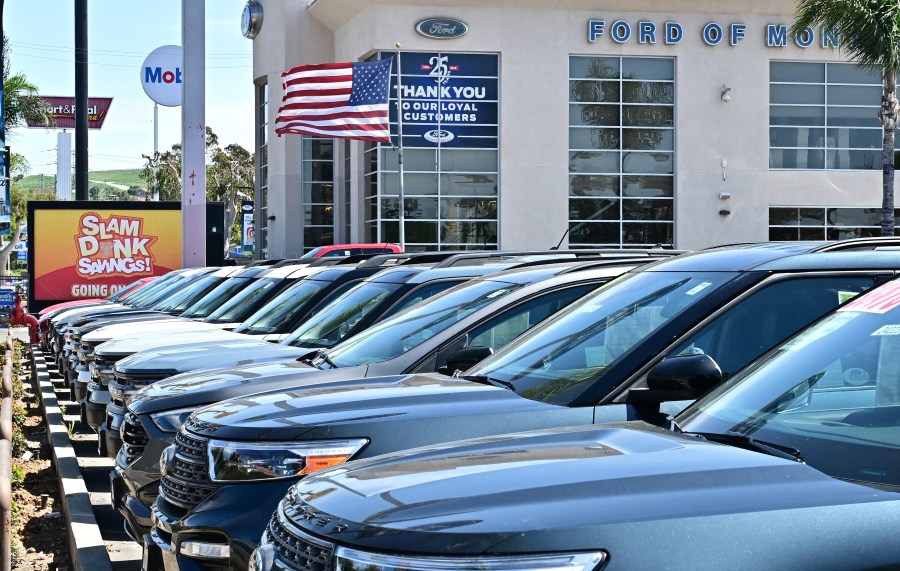
Automakers, from the storied German marques to the emerging Asian giants, they’ve collectively pulled a neat trick. Sales volume might be bumping along—or even receding in some markets—but profit margins? Those, my friends, are up. Way up. Industry observers are calling it a calculated move. A recent industry report from J.D. Power found that average transaction prices for new vehicles in the U.S. jumped 10.4% in 2023, while total sales volume grew a mere 3%. That’s a fat spread, wouldn’t you say?
But how, you ask? Simple. Supply chain disruptions (remember those? What a convenient saga) allowed them to justify tighter inventories, which, in turn, fueled a perception of scarcity. No negotiating a discount when there’s a queue of eager buyers for the next available SUV. They pushed consumers towards models packed with every bell and whistle imaginable, knowing people are often swayed by status or the latest tech. And then they jacked up the prices, just because they could. It’s capitalism at its most brutal, most efficient.
And where does this leave places like Pakistan, a country with its own nascent but ambitious auto industry, constantly struggling against import duties, currency fluctuations, and an eager consumer base desperate for reliable, affordable mobility? Or frankly, anywhere in South Asia or the Muslim world where personal transportation isn’t just a convenience but a socioeconomic stepping stone? It’s a tough spot. Consumers here often face an even starker choice: exorbitant prices for imported vehicles (when available) or limited, often outdated local options that also seem to defy sensible pricing logic.
Because the global trends reverberate far beyond the pristine dealerships of North America or Europe. [QUOTE_PLACEHOLDER] these markets often depend on foreign capital and imported parts, leaving them especially vulnerable when the big players decide their focus is on squeezing higher margins from fewer, pricier units rather than broad accessibility. This imbalance creates a peculiar kind of economic stress, especially as policy-makers try to stimulate their own economies while simultaneously dealing with imported inflationary pressures.
Consider the cost of a locally assembled vehicle in Karachi. It’s often double, sometimes triple, what the same car would cost elsewhere, owing to taxes, duties, and inefficiencies that persist in an ecosystem reliant on parts from abroad. And yet, the demand persists. Folks save for years, knowing that a car, however humble, represents freedom—a ticket to better jobs, better education for kids, or just escaping the sweltering heat of a packed bus. But if the global industry keeps moving further — and further upscale, what’s left for them? It’s a question worth posing, seeing as the global Gulf Quagmire continues to influence energy prices and, subsequently, the cost of manufacturing and shipping just about everything.
What This Means
This dynamic signals a tectonic shift in the automotive landscape. We’re moving away from the democratized dream of car ownership, at least for new vehicles, towards an era where personal transport—particularly for quality, new models—becomes an increasingly elite indulgence. For policymakers in nations with burgeoning middle classes, this isn’t just an economic blip; it’s a political headache. A frustrated populace, unable to afford a symbol of upward mobility, might not take kindly to promises of economic growth when their basic aspirations remain unmet.
It also means increased pressure on governments to either subsidize local production of affordable vehicles (a tricky and often unsustainable path) or risk exacerbating social inequalities. This profit-at-all-costs mentality could, in the long run, backfire, especially if it breeds resentment and pushes consumers toward alternative solutions, whether they’re ride-sharing services, improved public transit, or simply walking more (good for health, bad for shareholder reports). And let’s not forget the environmental implications; heavier, feature-laden vehicles typically aren’t the most fuel-efficient. It’s a shortsighted strategy, maybe, but for now, it’s making shareholders giddy, even as it adds another layer to the relentless global pressures, mirroring the sentiment found in The Unforgiving Arithmetic of a Roster Spot, where economic realities dictate outcomes, often harsh ones.